





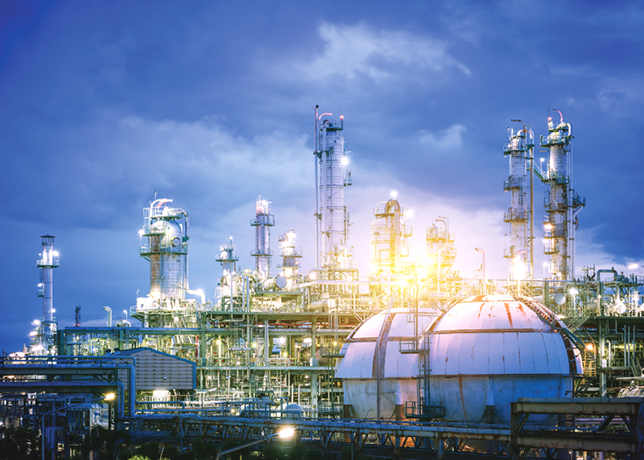


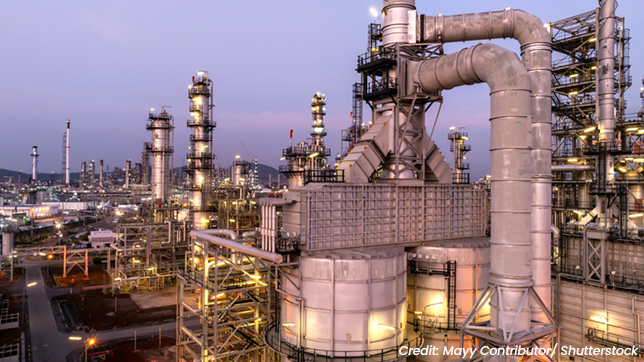










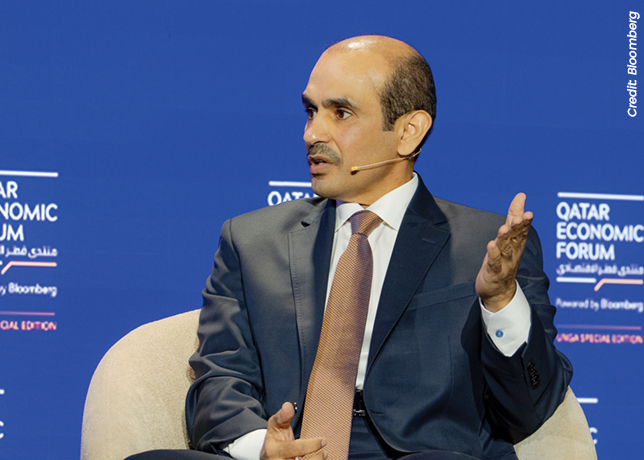
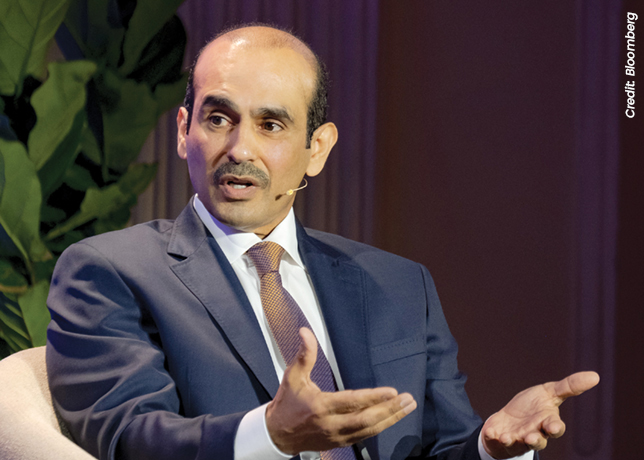

THE petrochemical industry in Oman is facing major challenges like poor availability of gas in the region, pressure of inflation and lack of human resources, says Maqbool bin Ali bin Sultan, minister of commerce and industry.
The minister emphasises the need for the sultanate’s economy to diversify into other sectors and reduce its dependence on oil.
He says it is important to add value to oil and Oman is a good example of such an initiative.
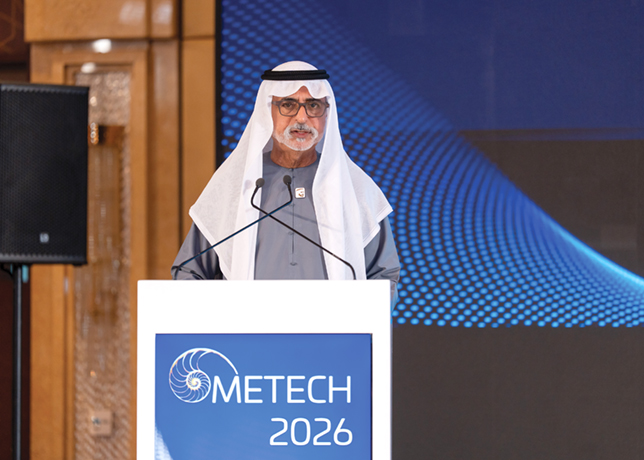
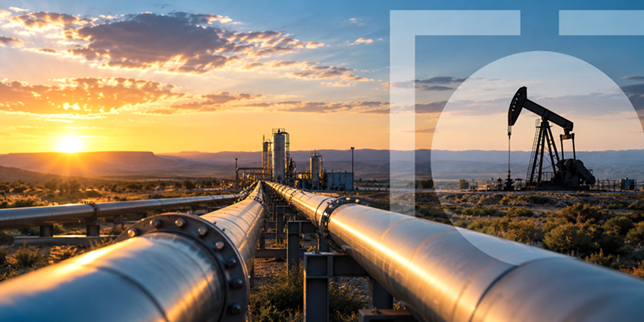
“Oman came into the oil and gas sector very late. But once we entered the domain, we thought that instead of exporting gas, we could use it as energy for local industries, especially gas-based ones. So we experimented with urea and methanol and the experiments turned out to be successful. We are in fact, in the process of building a second methanol plant in Salalah. We’ve also got a lot of aluminium and iron and steel industries using gas,” the minister says at a industry meet in Germany.
“However, the industry is riddled with lot of problems. The main challenge is the pressure of inflation and rising prices that is increasingly being felt.
“Inflation in the AGCC was unheard of a few years ago. In fact, the market was witnessing the opposite phenomenon, deflation. But now, the prices of things have doubled, even tripled. Everything has become so expensive that a gas plant which used to cost $1 billion six years ago, now costs over $3 billion. It is that expensive,” Maqbool says.
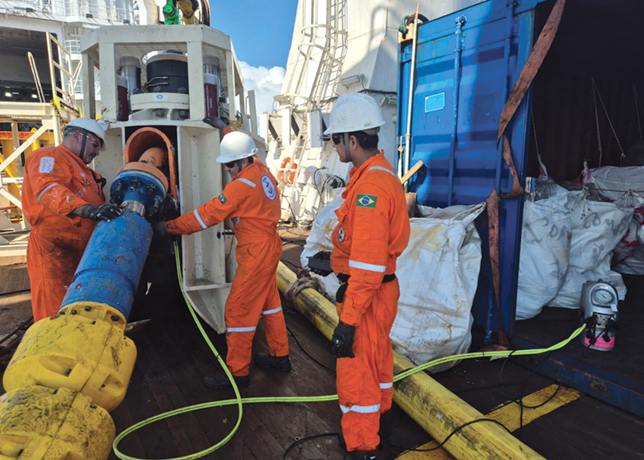
“The other major concern in the industry is the virtual non-availability of skilled labour and technical know-how needed to propel the industry forward,” the minister says.
“It is an irony that in Oman, there are many unemployed people, but no one with the specific talent and skill required for the petrochemical industry. So there is an urgent need to train and educate the Omani youths and get them interested in science and technology.”
“Another problem is that technology and knowledge in the petrochemical industry changes everyday. It is common knowledge that workers in this industry get outdated every three years, so fast is technology changing. To complicate things, there is no proper research and development (R&D) of the sector in the Arab world and also no proper project finance,” Maqbool says.
“Germany and Oman could discuss the prospects of opening good technical colleges in Oman as a joint venture between both governments and give Omani youngsters who graduate successfully, a chance for on-the-job training and experience in Germany in order to equip them for a career in Oman’s petrochemical industry,” Maqbool opines.
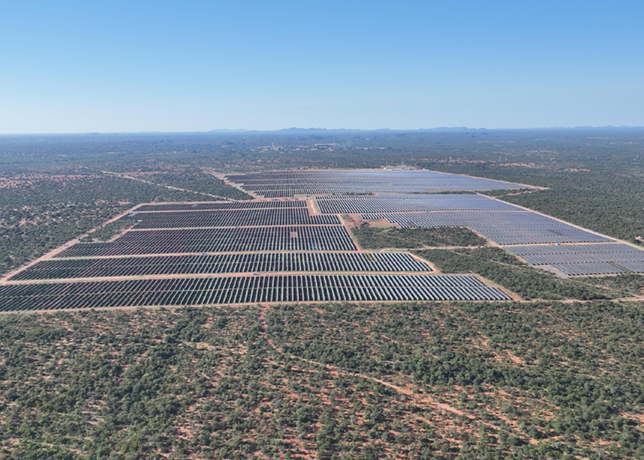
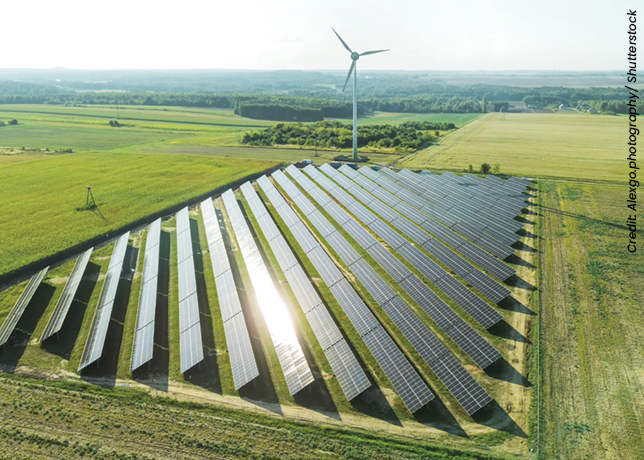
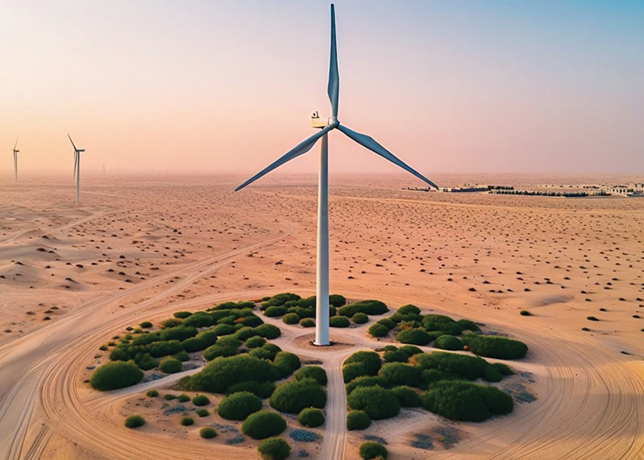
“Oman could also benefit from Germany’s extensive experience with solar energy and use it to harness the potentials available for this in the sultanate. Additionally, Oman could also do with Germany’s services like R&D, logistics and technical know-how.’’
It is important to look at long-term sustainable development alternatives so that we can gradually reduce our dependence on oil reserves,’’ Maqbool says.


