








Linde Engineering is driving GCC national oil companies’ (NOCs) ambitious global expansion by supporting increasingly complex offshore gas developments across the region.
To help regional energy giants solidify their leadership, the company delivers integrated gas processing technologies, modularised designs, and proprietary cryogenic equipment engineered to maximize overall efficiency and long-term operating reliability.
At the same time, unprecedented power demand from artificial intelligence (AI) and hyperscale data centres is steering GCC operators toward unified gas, power, and carbon management strategies.
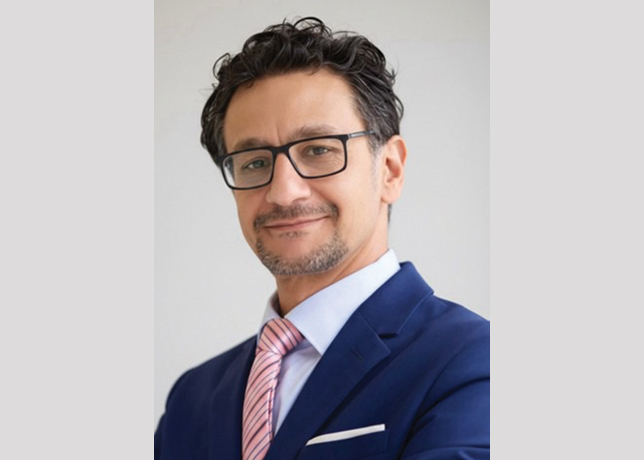
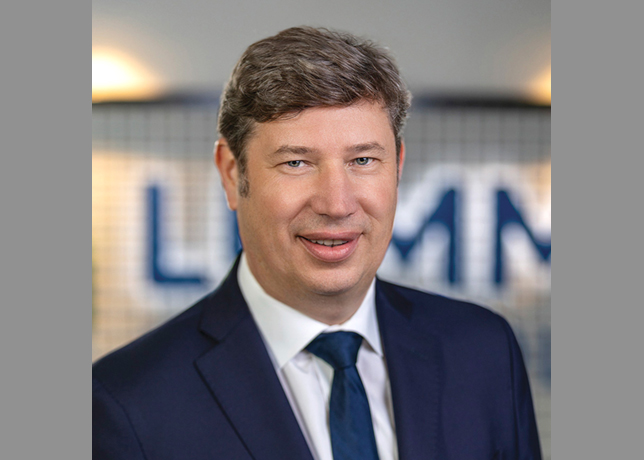
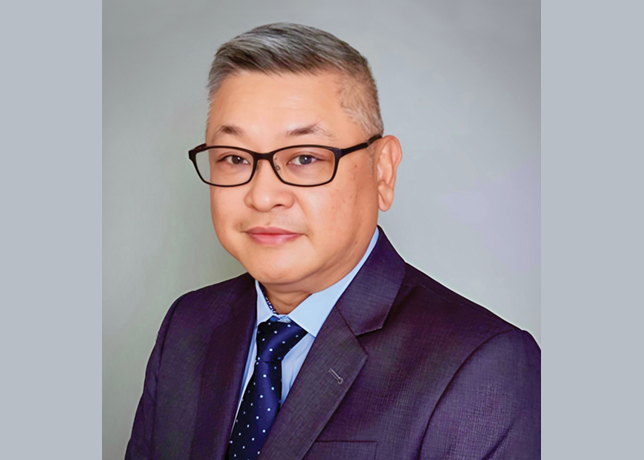
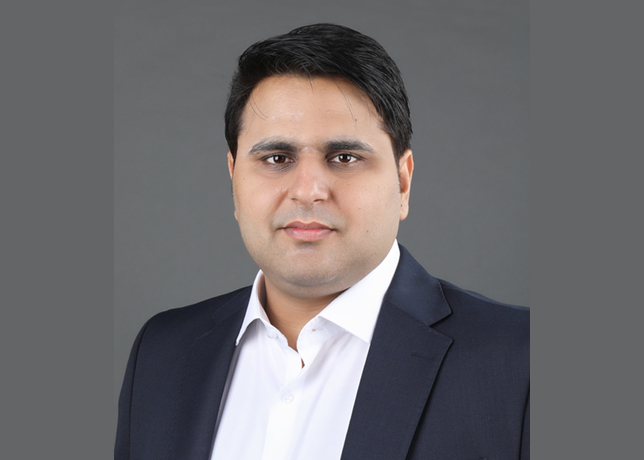
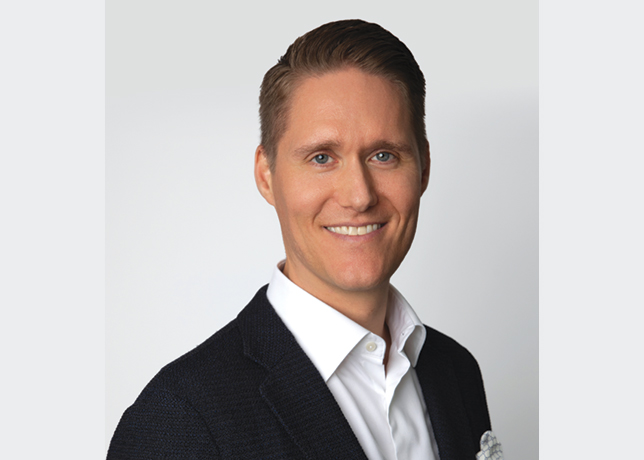
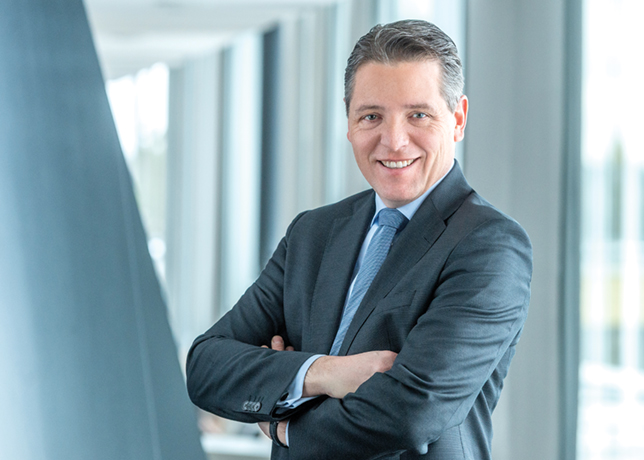
In an exclusive interview with OGN energy magazine, John van der Velden, Senior Vice-President Large Projects, Linde Engineering says: “John van der Velden, Senior Vice-President Large Projects, Linde Engineering, says: "As global energy demand continues to grow, LNG will remain an essential enabler of energy security, affordability and emissions reduction. By combining end-to-end LNG technologies, proprietary cryogenic equipment and proven project execution capabilities, Linde Engineering helps customers develop competitive, reliable and sustainable LNG infrastructure that strengthens global energy resilience.”
Below are excerpts from the interview:
Global LNG demand continues to accelerate, driven by European energy security concerns and Asian fuel switching. How is Linde Engineering adapting its LNG technology portfolio to capture these opportunities?
What we are witnessing today is not a short-term market cycle but a structural shift in the global energy landscape.
Growing energy demand, coupled with the need for greater energy security, affordability and lower emissions, continues to reinforce the role of LNG as a critical component of the energy transition.
At Linde Engineering, our objective is to help customers bring competitive LNG capacity to market through a combination of integrated technology, proprietary equipment and strong project execution capabilities.
What differentiates Linde is our ability to support the entire LNG value chain, from feed gas pre-treatment and NGL recovery to the liquefaction but also nitrogen rejection, helium recovery and liquefaction as well as downstream infrastructure, with solutions tailored to the specific needs of each project.
Our natural gas liquefaction portfolio was developed around key principles, such as efficiency and customisation with certainty.
Our various technologies, ranging from nitrogen expansion to the mixed refrigerant process, provide optimised solutions across different scales and applications, while our modularised approach making use of standardisation helps reduce capital intensity and accelerate schedules.
Equally important is our ability to combine technology leadership with execution excellence.
With more than a century of cryogenic engineering experience and a client-focused EPC organisation, we help customers reduce complexity, improve project certainty and play a vital role in strengthening global energy resilience.
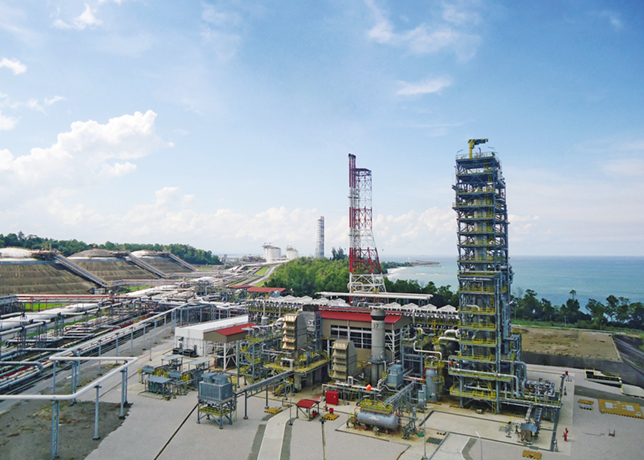
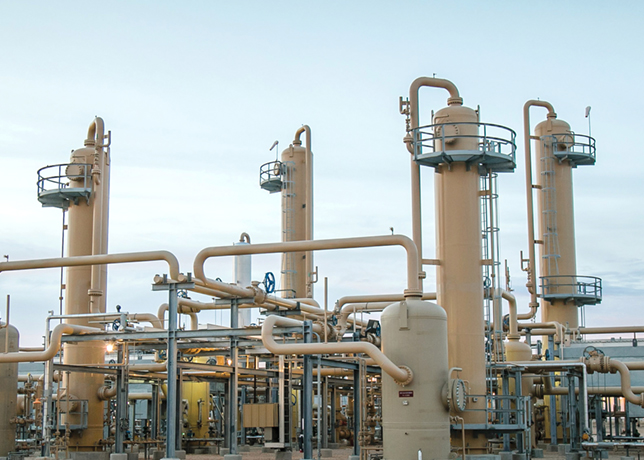
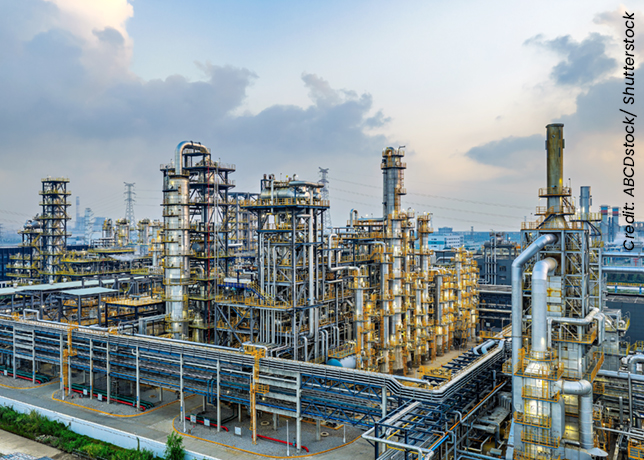
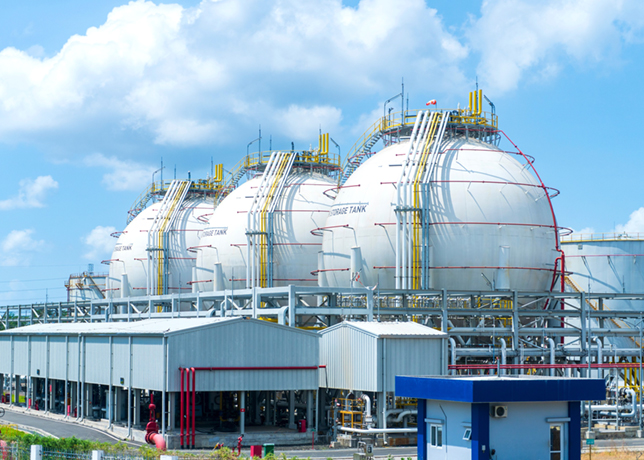
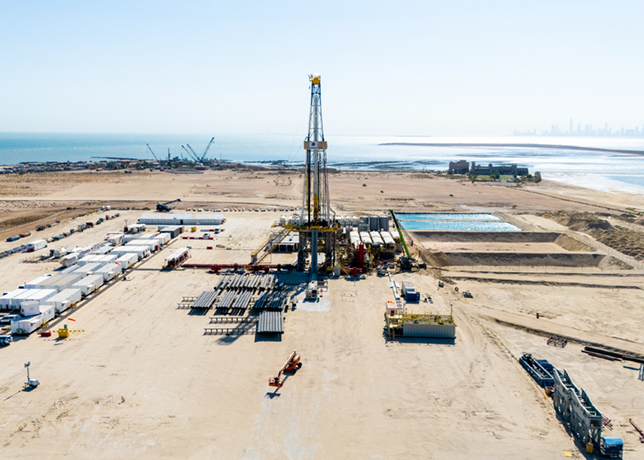
A mid-scale StarLNG® 0.8 mpta liquefaction capacity plant in Bintulu, Malaysia
With AI and hyperscale data centres creating unprecedented power demand, are you seeing increased interest in LNG-based power generation integrated with carbon management solutions?
Absolutely. The rapid growth of AI, cloud computing and hyperscale data centres is creating an entirely new category of energy demand.
Operators require reliable, around-the-clock power, and in many locations existing grid infrastructure simply cannot expand quickly enough to keep pace.
This has led to renewed interest in natural gas and LNG-based power generation because they can provide the dispatchable and secure energy supply required to support these developments.
At the same time, sustainability remains a key consideration.
What is particularly interesting is the growing focus on integrated energy solutions.
Customers are no longer evaluating fuel supply, power generation and carbon management separately; they are looking for solutions that combine reliable gas and LNG supply with efficient power generation, CO₂ removal and carbon capture.
Linde Engineering is well positioned to support these developments through our expertise in gas processing, carbon management and process integration.
How is Linde's proprietary heat-exchanger technology helping GCC national oil companies that are expanding globally and developing increasingly complex offshore gas projects?
Cryogenic heat exchangers are at the heart of every LNG facility and have a direct impact on efficiency, reliability and long-term performance.
This is an area where Linde has built significant expertise over many decades.
One of our key strengths is that we not only develop the technology but also manufacture many of the critical cryogenic components in-house.
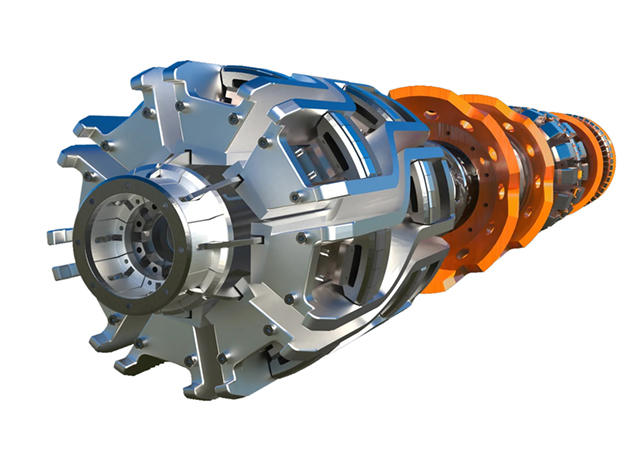
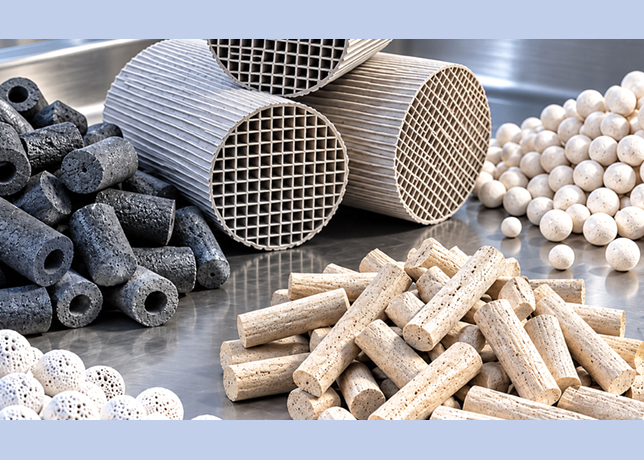
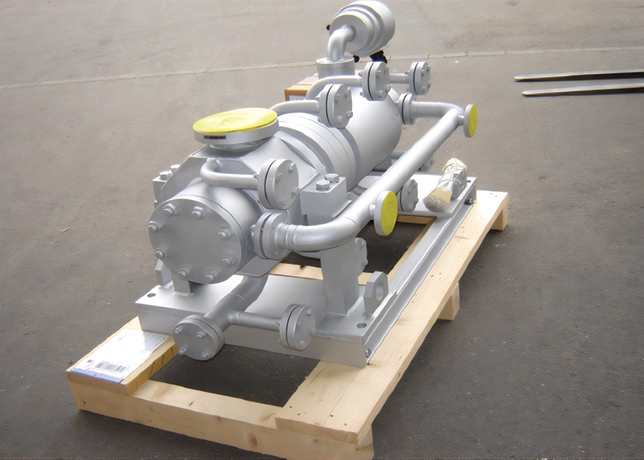
This includes coil-wound heat exchangers (CWHEs), plate-fin heat exchangers (PFHEs), cold boxes and cryogenic pumps.
Having direct control over the design and manufacture of these pivotal pieces of equipment reduces interface risk, improves quality assurance and supports reliable operation throughout the life of the plant.
Our coil-wound heat exchangers have an exceptional track record, with more than 1,000 units supplied worldwide.
As LNG projects become larger, more complex and increasingly move offshore, operators place a premium on proven technologies that can deliver high availability and operational flexibility under demanding conditions.
For major GCC gas developments, access to integrated technology and proprietary equipment is increasingly becoming a competitive advantage, helping operators maximise efficiency while maintaining world-class reliability.
How are Linde's LNG designs helping operators reduce energy consumption especially at a time when sustainability is a key differentiator?
Sustainability and competitiveness are becoming closely linked. In LNG, there are three principal levers to reduce emissions, and Linde Engineering supports customers across all three.
Firstly, and most importantly, is energy efficiency.
Improving energy efficiency is not only an environmental objective, it is also one of the most effective ways to reduce operating costs and enhance project economics.
This principle is embedded in our LNG technologies and plant designs, and our reference projects demonstrate industry-leading performance.
Secondly, operators are increasingly pursuing electrification strategies to further reduce emissions.
It is worthwhile to mention that in LNG plants, electrification usually comes along with a surplus boil-off gas.
Not only are we in the position to electrify our client’s plants but we also provide technologies, such as nitrogen rejection, to monetise in the surplus molecules.
Thirdly, carbon capture and storage can play an important role where further emissions reductions are required.
In this area, Linde has been a pioneer for many years.
One of our references in Norway was among the earliest LNG developments to incorporate full sequestration of the CO₂ removed from the feed gas, demonstrating that LNG production and carbon management can be successfully integrated at industrial scale.
What innovations is Linde deploying in LNG regasification, boil-off gas management and emerging offshore applications to reduce emissions?
The industry is increasingly focused on maximising resource efficiency and minimising emissions across the entire LNG value chain.
This extends beyond carbon dioxide to include methane management, reduction of product losses and optimisation of energy recovery.
A key differentiator is our ability to combine proprietary technologies with Linde-manufactured cryogenic equipment, ensuring seamless integration between process design and plant operation.
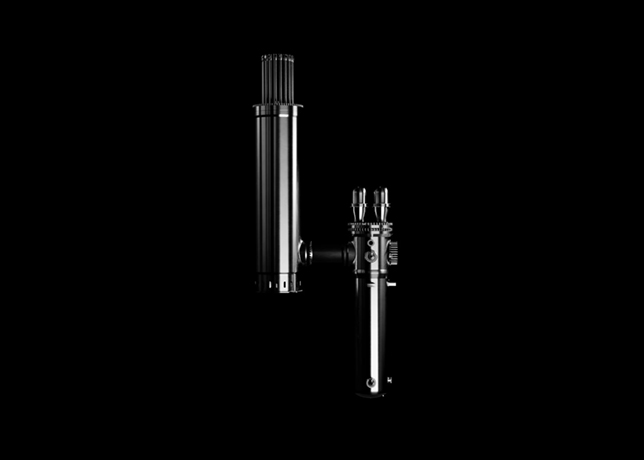
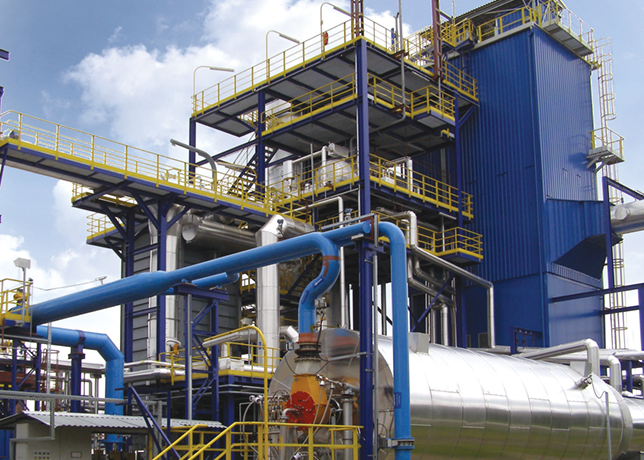
In LNG receiving terminals, for example, our SUB-X® submerged combustion vaporiser technology delivers exceptional thermal efficiency while maintaining the operational flexibility required for modern energy systems.
As we look toward the next generation of LNG projects, including floating and offshore developments, customers increasingly seek partners that can provide technology, critical equipment and execution capability under one roof.
This integrated approach reduces project risk and helps operators achieve their objectives for reliability, sustainability and long-term value creation.
Ultimately, the projects that will define the next decade will be those that successfully balance energy security, economic competitiveness and environmental responsibility. At Linde Engineering, we see our role as enabling customers to achieve that balance while contributing to greater global energy resilience.
Linde is exhibiting at Stand 5240, Hall 5.