







































Rising geopolitical tensions, rapid industrial expansion, and soaring artificial intelligence (AI) power demands are accelerating the global shift towards pragmatic energy solutions.
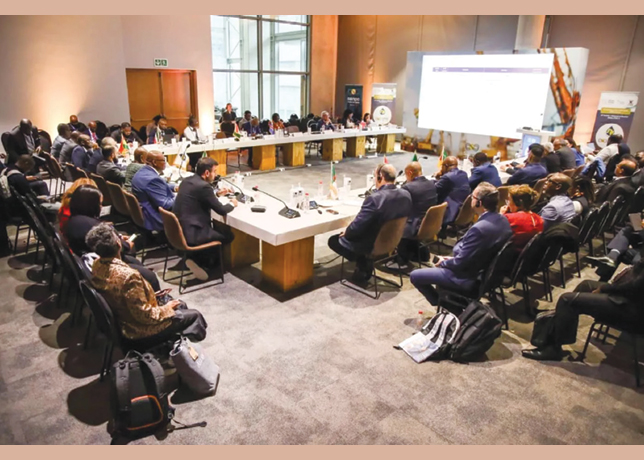
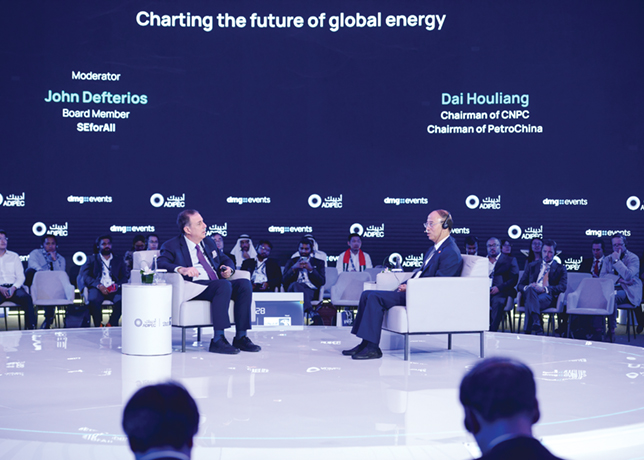
Against this backdrop, industry leaders attending ADIPEC 2026 from November 2-5 in Abu Dhabi, UAE, are pivoting decisively from distant targets to practical implementation across conventional and emerging energy sectors.
To address these immediate pressures, the primary objective of the gathering centres on securing economic stability through immediate, resilient energy framework enhancements across international markets.
Chief among these challenges are the rapidly growing power needs driven by data centres and advanced computing, which are placing unprecedented strain on legacy digital and physical infrastructure.
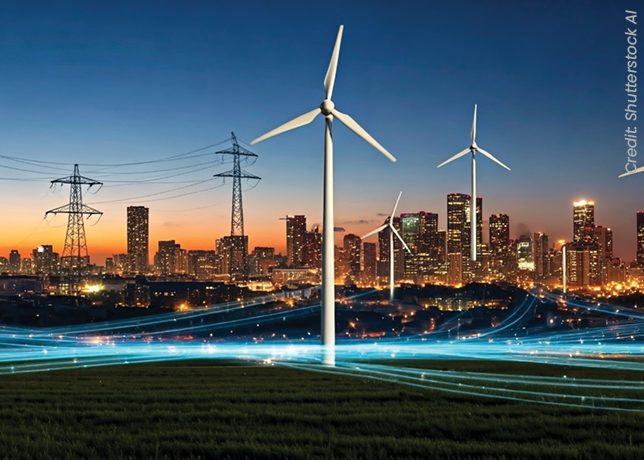
Bridging this widening gap between current systems and future requirements will require robust supply chain resilience, strategic capital deployment, and extensive network modernisation.
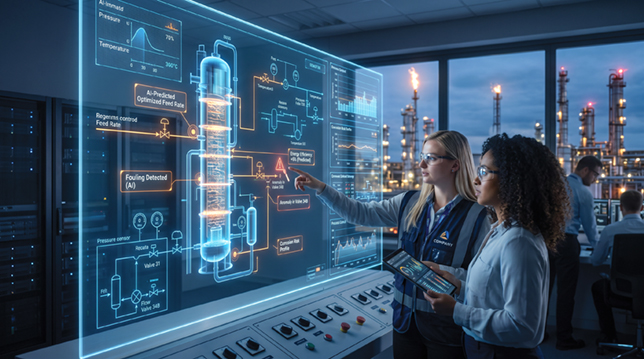
In this evolving landscape, AI is serving a dual role. It’s acting simultaneously as a major driver of energy demand and an essential tool for operational optimisation.
Meanwhile, oil and gas production remains fundamental to international market stability, even as companies concurrently invest in carbon management, hydrogen, and advanced grid technologies. At the same to time, expanded participation from Asian markets highlights shifting global demand dynamics and the growing strategic influence of regional national energy entities.
To support these dual priorities, substantial financial investment must target not only new infrastructure construction but also the complex modernisation of interconnected, digitalised existing distribution networks.
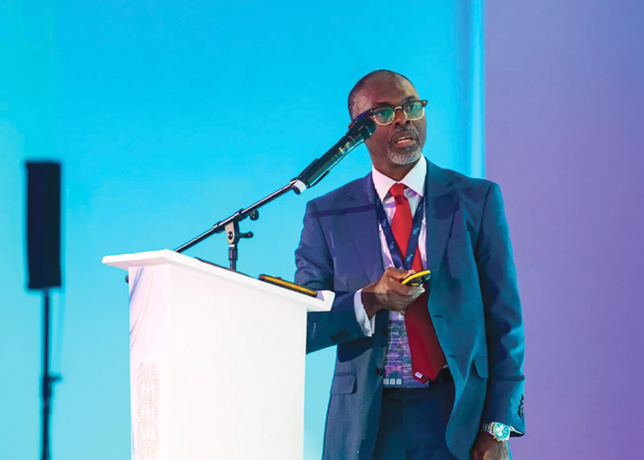
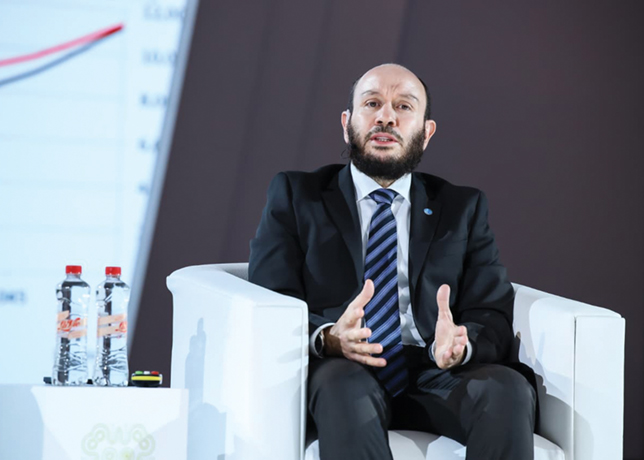
The conference reflects this urgent technical mandate, bringing together over one thousand expert speakers to examine practical methodologies for operational efficiency and emissions reduction.
Ultimately, by fostering strategic cross-border partnerships, global industry stakeholders aim to fortify supply networks, mitigate ongoing market volatility, and guarantee sustainable long-term economic growth.