


















































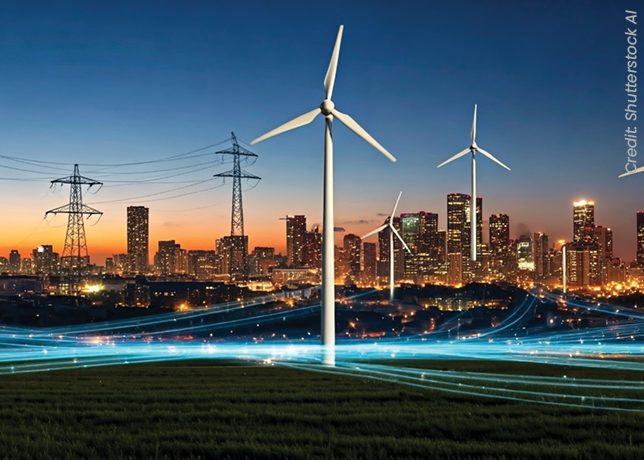
The International Renewable Energy Agency (Irena) has called for faster electrification, renewable energy deployment and energy efficiency improvements to align the global energy transition with the 1.5 deg C climate pathway.
Its 2026 World Energy Transitions Outlook warns that record renewable energy additions are being undermined by inadequate grid infrastructure, rising energy demand and insufficient efficiency gains.
Irena estimates that global installed renewable power capacity must increase from 5.2 terawatts (TW) currently to around 38.2 TW by 2050.
Electricity must account for 35 per cent of final energy consumption by 2035 and more than 50 per cent by 2050, with solar and wind supplying over 80 per cent of global electricity by mid-century.
The report stresses that expanding renewables alone will not deliver the transition without significant investment in grids, energy storage, system flexibility and electrification.
Under Irena’s 1.5 deg C scenario, global economic growth could exceed business-as-usual projections by 1.1 per cent annually, generating cumulative economic gains of approximately $46 trillion by 2050.
Renewable energy employment could also increase more than fivefold from just over 16 million jobs today, while electricity prices for end-users could be 15 per cent lower by 2050.
Achieving these outcomes would require cumulative annual investment of around $10.3 trillion between 2026 and 2050, primarily in renewable power, grids, flexibility and end-use electrification.
Irena urged governments to modernise infrastructure, strengthen investment strategies and ensure affordability, energy security and equitable access remain central to the transition.