















MERYT Chemicals is expanding its activities across the Middle East from its base in Abu Dhabi, supported by the group’s technical and R&D capabilities housed at MERYT Catalysts and Innovation in Spain.
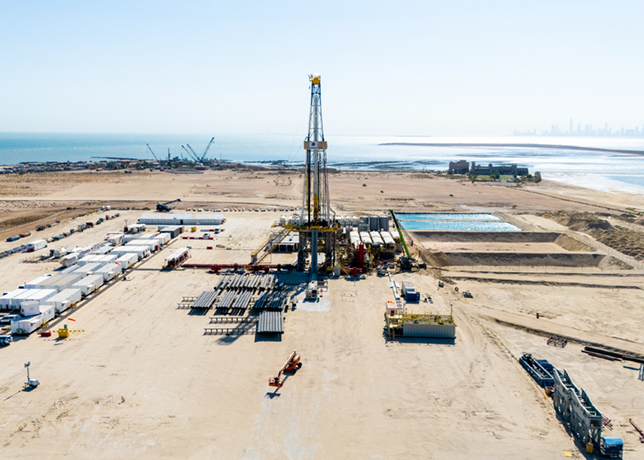
The UAE operation provides the company with a permanent presence in a region with a strong concentration of refining, petrochemical, gas processing, fertiliser and chemical industries.
This combination of regional presence and technical expertise allows MERYT to work directly with process requirements and operating conditions when evaluating catalyst, adsorbent and advanced material applications.
Looking ahead, MERYT Chemicals is exploring opportunities to establish advanced materials processing and manufacturing capabilities in the UAE.
This initiative would strengthen the company’s industrial presence in the region, enhance supply chain responsiveness, and bring catalyst and adsorbent technologies closer to customers across the GCC.
CORE ACTIVITIES IN REFINING & PETROCHEMICALS
Catalysis remains at the heart of modern chemical production, with more than 90 per cent of chemical processes relying on catalysts at some stage.
Across refining, petrochemical and chemical operations, catalysts make it possible to achieve the required reaction rates, conversion and selectivity under technically and economically viable operating conditions.
Their performance has a direct impact on process efficiency, product quality, by-product formation and operating cycle length.
Adsorbents play an equally critical role in separation and purification by removing contaminants that can affect product quality, cause corrosion, damage equipment or poison downstream catalysts.
Depending on the process, sulphur compounds, mercury, chlorides, water and other trace components may need to be reduced to very low levels to protect subsequent process stages and meet required specifications.
Selecting the appropriate catalyst or adsorbent requires a detailed understanding of the process.
Feed composition, contaminant concentration and speciation, temperature, pressure, flow rate, reactor or vessel configuration, pressure drop, required performance and expected operating cycle all need to be considered when defining the most suitable material.
For industrial plants, material selection involves much more than meeting a standard product specification.
Performance under actual operating conditions, expected cycle length, mechanical stability, consistency, technical documentation and reliable supply all form part of the evaluation.
MERYT’s approach is based on understanding the application first and defining material requirements from process conditions and expected customer performance.
FROM MOFs POWDER TO INDUSTRIAL MATERIAL
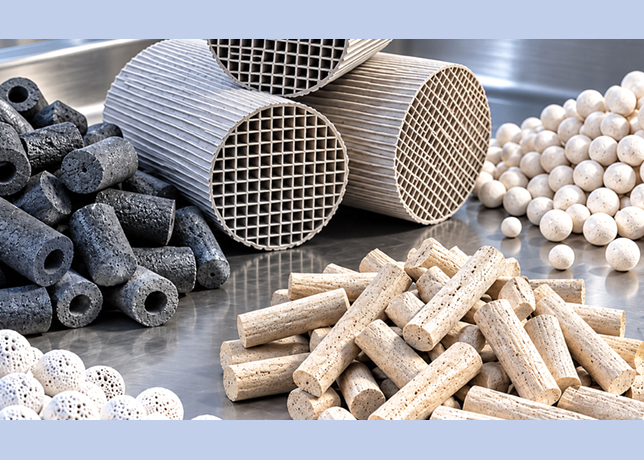
Alongside its established catalyst and adsorbent activities, MERYT is increasing its work on Metal-organic frameworks (MOFs), which are porous crystalline materials whose chemistry and pore structure can be tailored for specific adsorption, separation and catalytic applications.
Potential uses include CO2 capture, gas separation and purification, VOC removal, catalysis and atmospheric water harvesting.
For MERYT, the main challenge is industrialisation. A material showing excellent adsorption performance as a laboratory powder must still be manufactured reproducibly at a larger scale and converted into a form that can be used in industrial equipment.
Shaping the material into pellets or granules without significantly reducing its adsorption properties is an important part of this process.
Mechanical strength, attrition resistance, stability, bulk density, adsorption kinetics, regeneration conditions and manufacturing cost must also be considered.
MERYT is working on these aspects through MOF synthesis, scale-up, shaping and characterisation, with the objective of producing materials in practical forms and quantities for industrial evaluation and commercial applications.
EMERGING TECHNOLOGIES & APPLICATIONS
One area under development is CO2 capture and utilisation.
MERYT coordinates MOFs4SAF, an industrial research project with a total budget exceeding EUR6 million ($6.7 million) that combines advanced materials for CO2 capture with catalytic routes for its subsequent conversion into sustainable aviation fuels (SAF).
The project brings together industrial companies and research organisations working on material production, adsorption and catalytic conversion, with particular attention to moving technologies towards industrially relevant conditions.
Atmospheric water harvesting is another application of particular interest for advanced porous materials.
Certain MOFs can adsorb water vapour from air at low relative humidity and release it during regeneration, making them potentially relevant to water production in arid regions, including the Middle East.
Material performance alone is not sufficient; water uptake at required humidity, adsorption and desorption rates, regeneration temperature, hydrothermal stability and performance over repeated cycles determine whether a material can move from laboratory testing towards practical use.
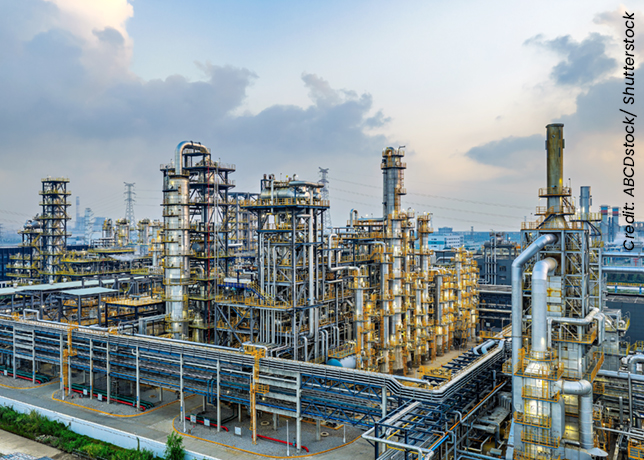
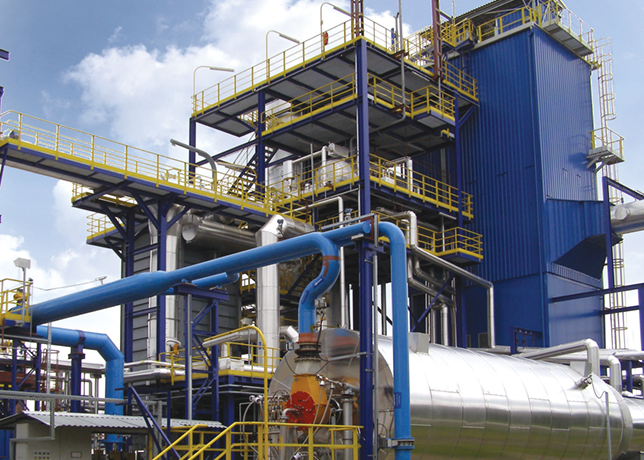
Refineries, petrochemical complexes, methanol and ammonia plants, gas processing facilities and chemical producers continue to require catalysts and adsorbents for reaction, separation and purification.
At the same time, CO2 capture, water harvesting and other emerging applications are creating demand for materials with different adsorption and regeneration characteristics, positioning MERYT Chemicals to supply operating process plants while developing and scaling advanced materials for new industrial applications.
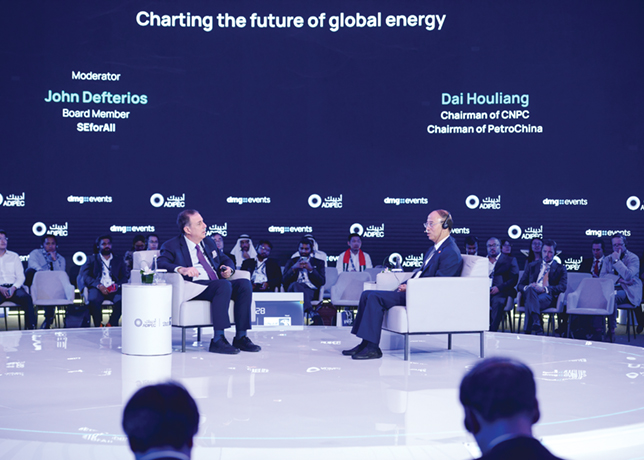
At ADIPEC 2026, MERYT Chemicals will meet operators, process engineers, EPC contractors and technology companies to discuss catalysts, adsorbents and advanced material applications across the process industries.