









































EGYPT’S plans to phase out gas subsidies to industry could stimulate investment by international oil and gas companies and help raise gas supplies both for domestic use and for export.
Energy-intensive industries in Egypt will have to pay more than double the current price they pay for natural gas over the coming three years, the government said.
The pricing change will make selling to the domestic market more profitable for energy giants investing billions of dollars in the country, such as Shell and BP, giving them an alternative to selling gas on the international market.
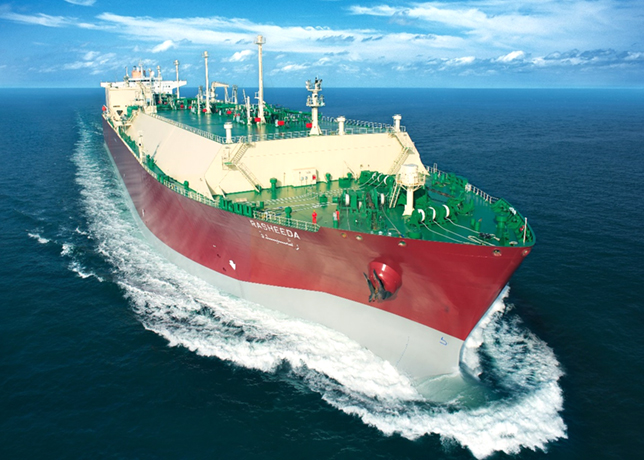
Egypt already exports gas chilled to its liquid form (LNG) to the US, Europe and Asia. It was the world’s eighth-largest LNG exporter in 2006. “For foreign companies, this is good news,” says Gary Howorth, senior director for global gas at Washington, DC-based PFC Energy. “The risk for any company exploring for gas is that it will have to sell gas in a subsidised market rather than the lucrative international market. That risk is now mitigated, and companies can invest more to explore for and develop gas.”
The new government initiative will hike the price of natural gas for four industries by about 110 per cent, to $2.65 per million British thermal units, over three years.
Egypt’s government has faced increasing difficulty keeping international companies happy as production costs rose compared to the price at which companies can sell to the Egyptian Natural Gas Holding Company (EGAS), a state-owned firm that manages the country’s gas industry. “To some extent, oil and gas company investors have been helping to pay for low domestic prices by their low fixed sale price to EGAS,” says Catherine Hunter, analyst at the International Energy Agency. “But as the difference between domestic and international prices has risen, and project costs have soared, their willingness to do that has receded.”
Total energy subsidies of around 20 billion Egyptian pounds ($3.5 billion) a year had threatened to dim foreign interest in gas exploration in Egypt, which has Africa’s third-largest natural gas reserves.
Oil and gas companies such as US-based Apache had been pressing Egypt to resolve the subsidies issue, which contributed to reducing interest in EGAS’s 2006 licensing round, Hunter says.
The price rise will help the Egyptian government keep its programme to boost natural gas output on track, while it is unlikely to do significant damage to domestic industry, where profits have been surging, analysts say.
The government has looked to the gas sector to help speed a recovery from declining economic growth rates early this decade.
Gas output rose nearly 30 per cent in 2006 to 44.8 billion cubic metres.
Domestic industries such as cement, iron, and fertiliser, some of which have enjoyed triple-digit profit growth as Egypt’s economy expands and international demand rises, have not voiced significant opposition to the plan. “The high fuel-usage industries are doing well at the moment,” Hunter says. “They’ve been some of the industries at the forefront of the government’s privatisation programme and are undergoing rapid expansion. It would be counterproductive to privatise and introduce market economics on the one hand and then subsidise an essential feedstock on the other.”
The cuts could also help domestic industry by facilitating long-term planning, says Simon Kitchen, economist at Egyptian investment bank EFG-Hermes. “Anyone thinking about investing in these industries will know where they stand,” he says. “Before there was ambiguity about where prices would be in three to five years.”
The subsidy cuts announced so far are only for energy-intensive industries and amount to about 2.8 billion pounds per year, a fraction of the total spent on energy subsidies, which the government said it wants to remove for all industries within six years.
Still, the cuts could save the government much more if international energy prices rise further, Trade and industry minister Rachid Mohamed Rachid says. The savings over three years could come to as much as 15 billion pounds.
The higher price for gas would also help fund the more expensive offshore developments, Kitchen said. “It will cost the government less to be able to say ‘yes’ to the foreign oil companies when they say they need to develop gas fields offshore, which are expensive projects,” he says.