











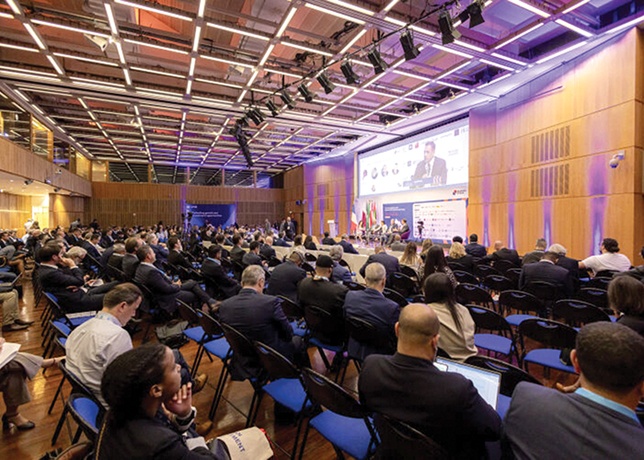














THE 17th Society of Petroleum Engineers Middle East Oil & Gas Show and Conference (MEOS 2011), which will be held in Bahrain from September 25 to 28, takes place at a time when the oil and gas sector is at a crossroads, facing mounting threats from the global economic situation and uncertainties from volatile oil prices.
As the E&P industry strives towards innovative solutions to meet rising global energy demand in the face of increasingly difficult challenges, the largest exhibition and conference in the 32-year history of the series will assemble key companies and leading figures to debate and shape its future.
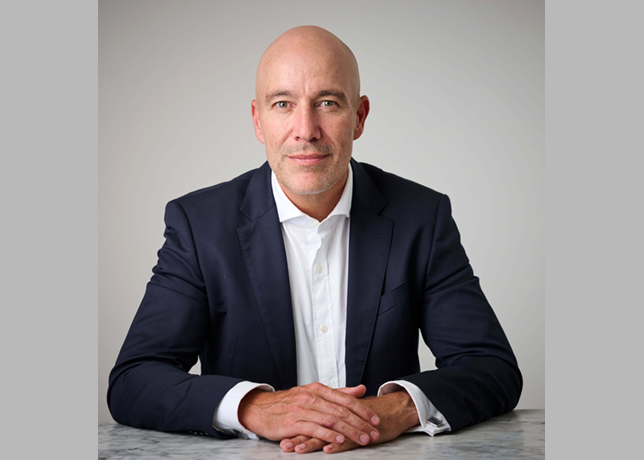
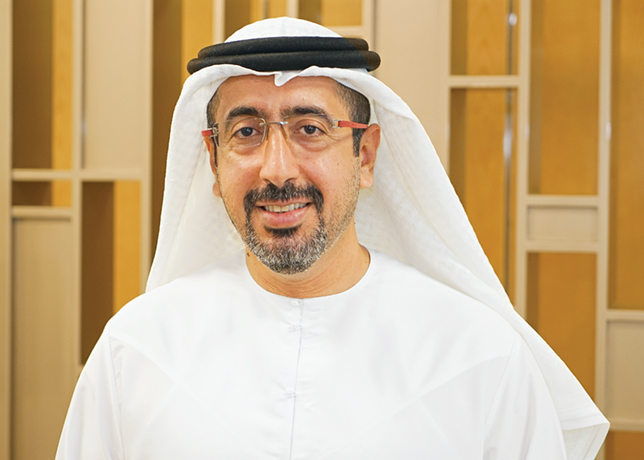
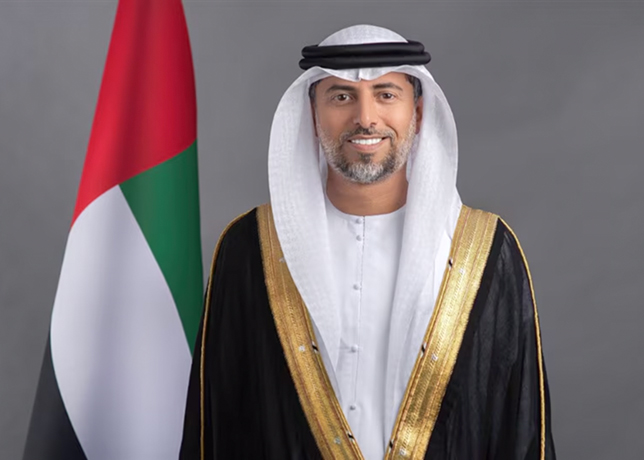
“MEOS is the melting pot of the global oil industry. It enables the continuation of interaction between Bahrain’s oil and gas executives and the industry experts,” says Bahrain’s Energy Minister Dr Abdul-Hussain bin Ali Mirza in an exclusive interview with OGN.
In terms of hydrocarbons, the Middle East is becoming the manufacturing centre of the world. The growth of refining and petrochemical capacity is greater in this region than any other region of the world, he says.
Excerpts from the interview:
MEOS 2011 is being held in Bahrain when the kingdom is going through momentous changes in its energy sector. What benefits do you think Bahrain’s oil and gas sector would get from MEOS?
The Middle East Oil Show is a big event in the calendar of conferences and exhibitions. It is attended by thousands of delegates predominately from the Mena region, from Europe, and from the countries of the former Soviet Union. We also expect a growing delegation from India and the Far East, particularly China and Japan.
In terms of hydrocarbons, the Middle East is becoming the manufacturing centre of the world. The growth of refining and petrochemical capacity is greater in this region than any other region of the world.
This growth and the future prospect of the Middle East becoming the manufacturing hub, in addition to being the production hub, attract equipment supply companies, service companies, companies seeking opportunity, and companies intent on building relationship. MEOS thus becomes the melting pot of the global oil industry.
Bahrain is the ideal location because we have top-notch facilities, world-class hotels, excellent communications, and also a sense that one is in the Middle East. Offering such facilities to the worldwide oil industry maintains the brand image of Bahrain as a friendly place to do business and creates opportunities for the Bahrain business community. MEOS enables the continuation of interaction between Bahrain’s oil and gas executives and the industry experts.
When do you propose to start the second phase of the $5-6 billion refinery upgrade plan? How do you plan to raise the money for that investment?
The project management methodology used within Bapco involves a stepwise process with phases and decision gates (decision points) between the phases. Before the project can pass from one phase to another, via a decision gate, the decision makers must be satisfied that the requirements of the phase are met and the project still looks attractive. Currently the refinery master plan project has several studies which are still pending before we move to the next phase. These studies include a decision risk analysis, a due-diligence check on the work completed to date, and a financing strategy study.
The financing study will provide advice on the sources of financing for this project. It is subsequent to the completion of that study that a plan will be put together on how to raise the money for the investment.
 |
|
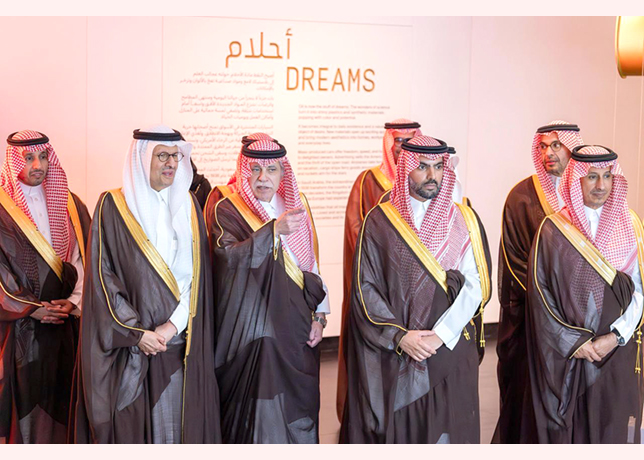
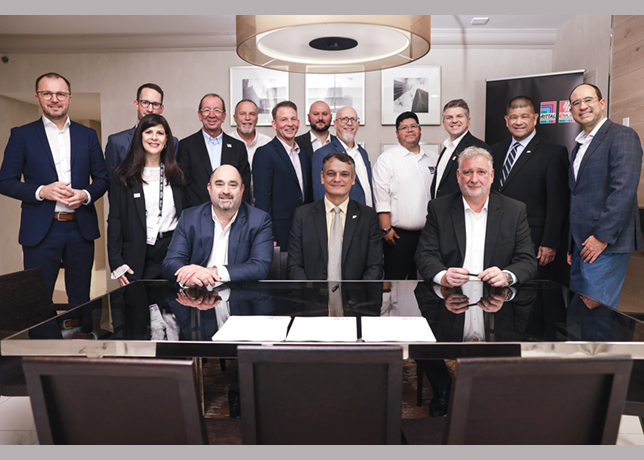
The Noga team ... Dr Mirza (sitting); |
What are the high-value oil derivatives that the refinery would produce after the upgrade?
The refinery master plan project will not only involve increasing the crude processing capacity of the refinery, but also the construction of process plants that will convert fuel oil into higher value jet fuel, diesel, and gasoline. The overall project will make the refinery very competitive, it will improve the energy efficiency of the refinery, and it will enable the refinery to remain profitable during the peaks and troughs of international refinery margins.
How happy are you with the progress of Tatweer Petroleum? What are the targets that the company has achieved so far and looking to 2012-13?
We are extremely satisfied with the progress made by Tatweer Petroleum to date. The total field oil and condensate production in 2010 averaged 31,900 barrels per day (approximately 27,300 barrels per day (bpd) black oil and 4,600 bpd condensate). This was very close to the total field production in 2009, which constitutes a significant achievement in terms of the company’s ability to reverse the historical field production decline of black oil production. In fact, I am delighted to report that Tatweer Petroleum’s average black oil production reached a new record of over 33,700 bpd in December 2010.
In addition, the company succeeded in maintaining the availability of non-associated gas capacity at an average of 1,500 million cubic feet per day (mmcfd).
I take this opportunity to thank the management and staff of Tatweer for their tremendous efforts to work toward increasing the production of oil and gas from the Bahrain Field and for their enthusiasm to lay the necessary infrastructures and operating systems for building this new organisation while maintaining a safe working environment for the employees and contractors.
Regarding 2012-13, our plan was to double the production of crude oil gradually in the first five years of operation and we are definitely on course for the targets of the years 2012-13.
With the commissioning of the lube base oil plant round the corner, could you elaborate on its importance and significance of the joint venture with Neste Oil?
The lube base oil plant will be commissioned before the end of 2011, and before elaborating about the joint venture with Neste Oil I would like to highlight that this project is the result of vision and forward planning.
In 1999-2000 we embarked on the low sulphur diesel project that included the construction of a hydrocracking process unit. At that point in time the opportunity to enter the financially attractive lube base oil market was born because the heaviest product from the hydrocracking unit is excellent feedstock to dewax and manufacture very high quality lube base oils. The lube base oil plant under construction will remove the wax from lubricating hydrocarbons and you might ask what happens to the wax – it gets converted to useful products like LPG and gasoline.
Now returning to the joint venture with Neste Oil. The long-term success of a joint venture is dependent on having a business model in which each partner contributes something that the other partner needs. In our case, Bapco had the feedstock and an appetite to increase the value of the products manufactured at the refinery. On the other hand, Neste Oil has excellent brand reputation for high quality lubricating oils and a growing market in Europe and the US. The two companies together are an ideal joint venture.
This joint venture is not only important for Bahrain but also for Neste Oil because the Bahrain Lube Base Oil Company will become a leading company in providing environment-friendly, high quality products. The finished lubrication oils blended from the Bapco base oils will contain less sulphur than conventional lube oils, hence more environment-friendly, and the user will be able to extend the duration between oil changes. This will result in less used lube oil for disposal.
What is the target date set for the $350 million A-B pipeline between Bahrain and Saudi Arabia?
The new A-B pipeline is required to be in operation prior to the commissioning of the refinery master plan project in 2017. However, that is not to indicate that the target date is not important – we want the project to be finished such that the project engineering staff can move onto the refinery master plan investments.
The pipeline will cross the island of Bahrain and we have now received approval from the Royal Court for the proposed routing. We are currently ensuring that it does not interfere with other future projects on the route, and when that is resolved we will be able to set a new target date for completion.
Can we discuss LNG and the importance of developments in this sector for Bahrain’s industrial growth? What is the progress so far on the plan to build a terminal either onshore or offshore for LNG imports?
The supply of LNG to Bahrain is more that the construction of a terminal. In the LNG business, the design of the terminal is linked with the size of ship carrying the LNG, and the size of ship is influenced by the distance that it has to travel. We are, therefore, working on a solution to the supply of LNG which will be the best solution for Bahrain.
Following an open bidding process according to the Tender Law, a transparent and objective process for the evaluation of the bids is in progress. This evaluation involves staff from The Oil and Gas Holding Company, Noga, Bapco, legal counsel and a technical/commercial advisor. We are hopeful that a recommendation to select the strategic partner will be awarded before the end of 2011.
How far has the talks with Qatar progressed on the import of LNG from that country? What about Gazprom and other sources of LNG in the future?
I’m sure that you will appreciate that talks with the government of Qatar and Gazprom from Russia are both confidential and sensitive. However, several of the bidders for the position of our strategic partner in the LNG Supply Project would source the LNG from the region.
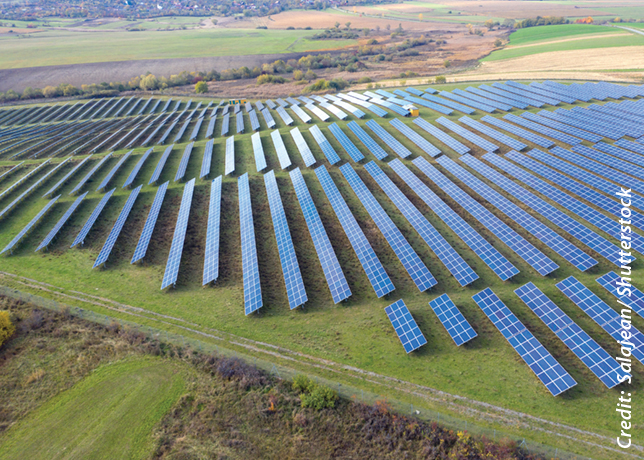
Given the finite nature of its hydrocarbon reserves, Bahrain is taking a strategic view in harnessing alternative energy such as the announcement of the pilot projects for solar power. How important could solar power be to meeting Bahrain’s energy requirements?
To date electricity in Bahrain has been solely generated from burning gas, but when we look at the developed nations of the world they generally have a diversified mix of energy sources for power generation. The LNG supply project represents a step from the status quo, and our aspiration to generate power from solar energy is not only visionary but it will also utilise our other natural energy source, sunshine.
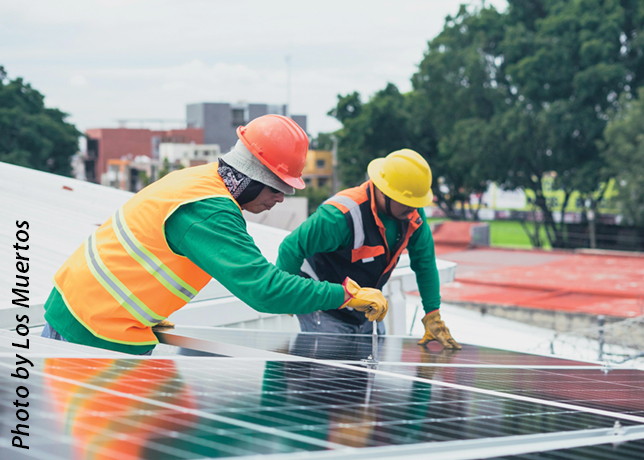
The solar project being planned is designed to be a showcase project that demonstrates the viability of solar energy in Bahrain and also opens up the opportunity for the creation of employment opportunities in a high-tech industry.
The current project is sized to generate about 20 megawatts of power, and this is small compared to the total power requirement in Bahrain, but it is large in terms of a demonstration project which can open new opportunities for the future. We have to diversify our mix of energy sources in the future and move away from 100 per cent fossil fuel. Our pilot project for solar power is just one of the steps we are planning to move in the diversified direction.
Energy efficiency being vital how is the Ministry of Energy looking at conserving energy use?
Bahrain is well behind the developed nations in terms of energy efficiency and energy conservation. We recently commissioned a study which showed us that with basic energy conservation 23 per cent of the natural gas consumed in Bahrain could be saved. The study examined thermal insulation, load control programmes, power factor programmes, efficiency standards and labelling, and compact fluorescent lights and identified that the biggest saving could be made by implementing a thermal insulation programme.
As a result of these activities, Noga has formed an Energy Conservation Committee and EWA has established the Electricity Conservation Department.
What is Bahrain’s power consumption/requirement today? What are the projections for the next five years?
The power demand in Bahrain varies between the seasons of summer and winter, and also between day and night. The highest demand is defined as the peak demand on a daily basis. The peak demand in summer is about 2,700 megawatts, whereas in winter it is closer to 1,500 megawatts. Projections for the future indicate that the demand will increase at about 12 per cent per year.
How does the kingdom propose to address its power generation needs in the coming years? Is nuclear energy still an option? After the Japanese disaster and also in view of the fact that the majority of nations in Europe are shunning it, do you still think Bahrain should go for nuclear energy?
As I said earlier, the future of power generation has to be from a variety of sources. The future will be different from the past and we will not be dependent 100 per cent on fossil fuel. With this policy in mind, all sources of power generation are possible.
Solar energy is a great resource with which we have a plentiful supply and we should capitalise on this supply in the future. The pilot project is designed to demonstrate that solar power is feasible in Bahrain.
Energy conservation can also be considered as another natural resource and in the future we will develop ideas to create a situation whereby this resource is recognised by everyone and it is seen as a necessity for the future.
Our views on nuclear power have not changed as a result of the Japanese disaster. We have tremendous empathy for the many Japanese citizens who lost their lives, and those whose lives have been affected by the disaster. We understand that the disaster was the result of an earthquake, a tsunami, and a 30- year-old design.
If nuclear power is generated in Bahrain in the future our philosophy of using the latest design and applying our risk and environmental analyses will be applied to minimise its impact on the environment. We believe nuclear power can be safe and it has a role to play in the mix of energy sources. Unlike in the past, countries will not be dependent on one energy source in the future.Shaping the future of the oil and gas industry.
Across three days at MEOS, a series of ‘Star Turn’ presentations will also be delivered by leading figures from the international education and energy industries. Speakers will discuss their own journey and personal development through the oil and gas business.