


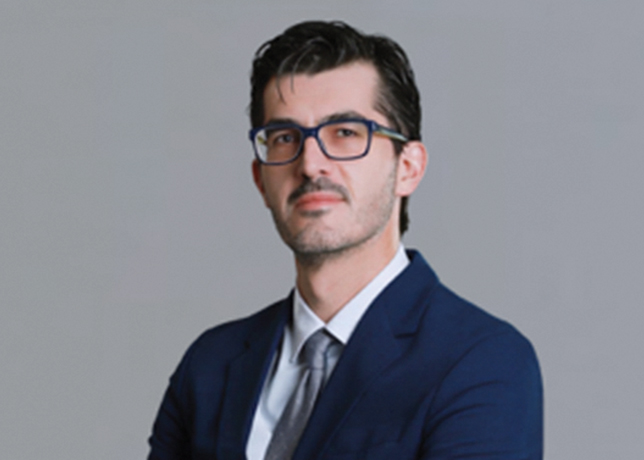
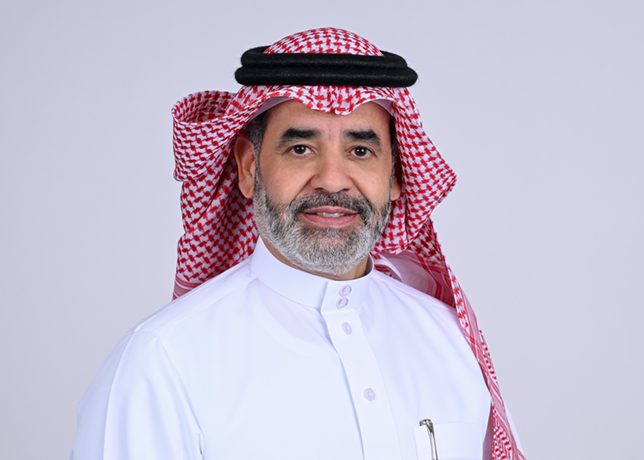




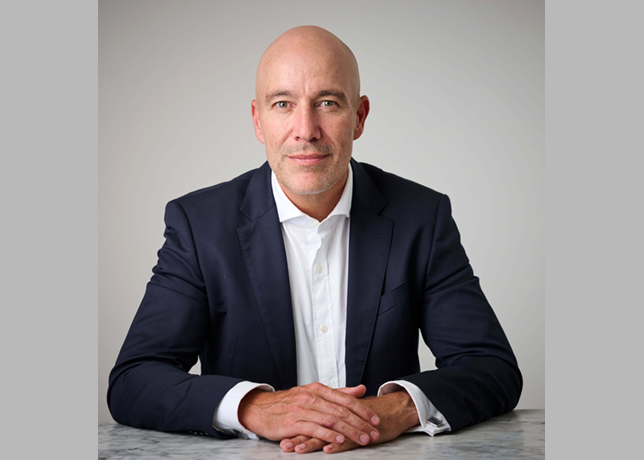


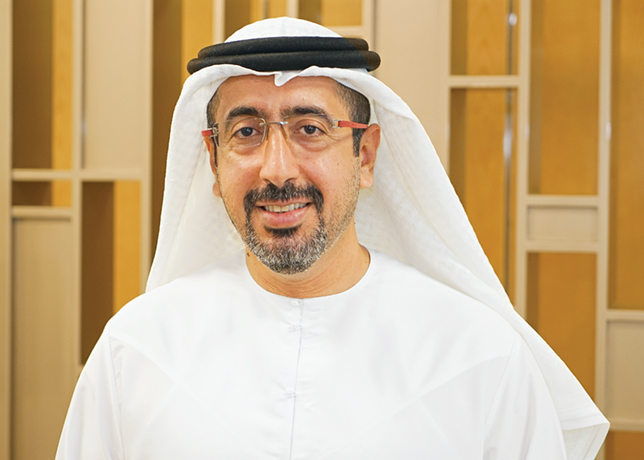






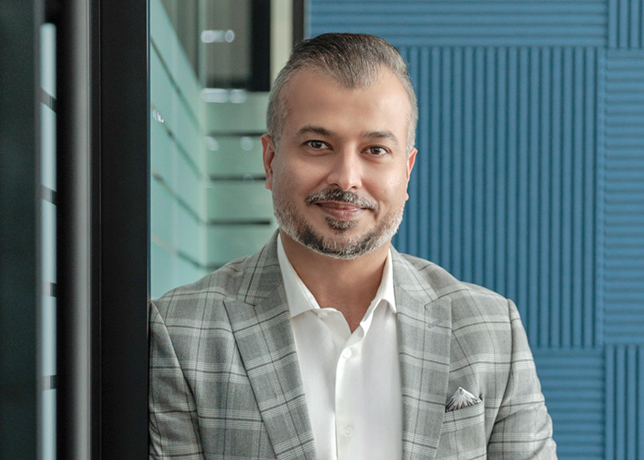

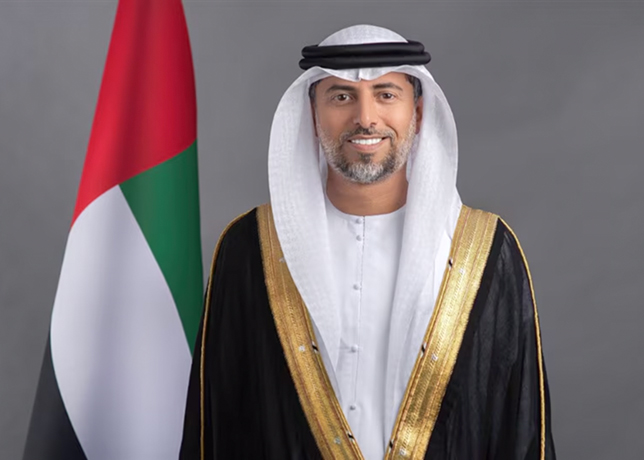

DR EDWARD J Hanley, the chief executive officer and a board member of Tatweer Petroleum, boasts a long professional career in the field of oil and gas that spans over 30 years.
Prior to his current post, Dr Hanley served as the president and general manager of Occidental Petroleum of Qatar Ltd, president of Occidental Qatar Energy Resources and Occidental Resources Company (Qatar).
Having first joined Occidental Petroleum in 1978, Dr Hanley worked in several senior positions at the company during his tenure, including vice-president operations Qatar, asset development manager Elk Hills, business team leader of Occidental’s southern region operations, and reservoir engineering manager for the US Gulf coast region.
Dr Hanley received his Ph D in engineering from Purdue University in the US, and completed the executive programme from the Anderson School of Management at the University of California in Los Angeles.
Dr Hanley is on a mission now – “To develop the Bahrain Field to maximise value for stakeholders and contribute to the growth of the local economy.”
In an interview with OGN, Dr Hanley says Tatweer is on the right track and will achieve its goal of doubling oil production from the Bahrain Field in five years time.
Excerpts from the interview:
What have been Tatweer Petroleum’s achievements during the last 18 months? What were the biggest challenges?
Tatweer’s mission is to develop the Bahrain Field to maximise value for stakeholders and contribute to the growth of the local economy. We are on target to meet our mission statement including:
• Doubling oil production in the next five years – Tatweer has increased total black oil and condensate production almost 50 per cent from 30.3 thousand barrels of oil per day (MBO/D) in December, 2009 to 44.5 MBO/D in July, 2011, the highest in 30 years;
• Meeting gas demand for an expanding local economy – Tatweer achieved all 2010-11 gas delivery requirements and currently has increased the delivery capacity of the non-associated gas system to over 1.9 billion standard cubic feet per day (bscfd);
• Prudent investment – Stewardship of a national resource. Shareholders will invest $750 million in field development from December 1, 2009 to the end of 2011; and
• Providing employment and economic growth opportunities to the people of Bahrain – 690 current employees of which 64 per cent are Bahrainis, 200 new professional and skilled jobs will be added during 2011, the majority being Bahraini.
We have drilled, completed, and put on production over 105 new oil wells and will be adding 100 new oil wells every six months.
New technologies have been introduced including:
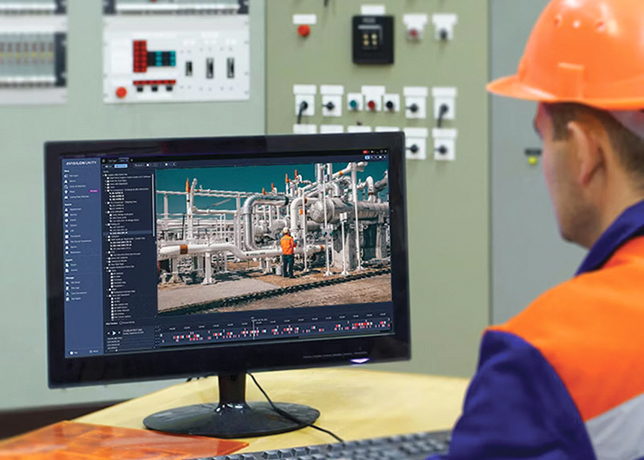
• A digital canopy that directly connects well and process equipment measurements throughout the entire field to engineers in the office;
• New methods to artificial lift and optimize wells in the field;
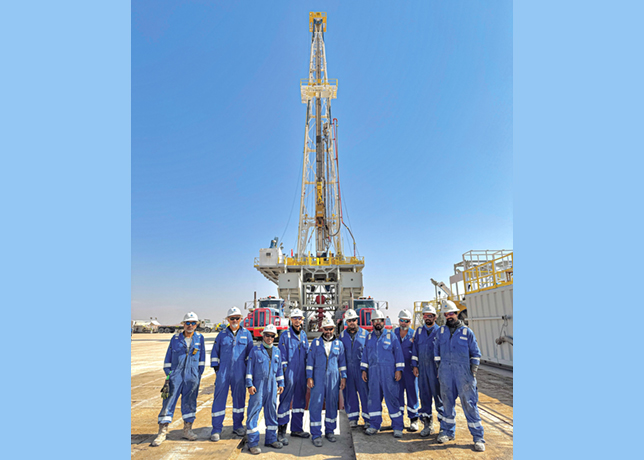
• Three new high efficiency, fast moving drilling rigs; and
• New software systems to store, analyse, and visualise the all the data coming from the field.
The biggest challenge was bringing together the skills and diversity that comes from forming a joint operating company with people from three distinct operating companies – Bapco, Occidental, and Mubadala.
We had to find the Tatweer way of doing our work, not just use how it was done in the past or select a preferred method from one of the companies.
As new work processes were introduced and successful results were seen in the field, people started to believe that working as a team, using multi-disciplinary approaches to problem solving, and being able to act quickly were the methods that could make Tatweer successful.
What EOR technologies have been employed by Tatweer to maximise output? How far have they been successful during the last 18 months of operation?
Tatweer will use waterflooding to increase recovery in all reservoirs, cyclic steam in the Heavy oil Rubble zone, and a novel light oil steamflood to recover to oil trapped in the Mauddud gas cap.
How much has the output rates for oil and gas increased after the joint venture started working on the Bahrain Field?
Tatweer has increased total black oil and condensate production almost 50 per cent from 30.3 MBO/D in December, 2009 to 44.5 MBO/D in July, 2011, the highest in 30 years.
Tatweer achieved all 2010-11 gas delivery requirements and current has increased the delivery capacity of the non-associated gas system to over 1.9 bscfd.
When do you plan to implement the first steam injection pilot in the Rubble Reservoir? Could you give us a brief about how the process is done?
Drilling of the five vertical wells for the Rubble Steam Pilot was completed in June, 2011. This included a successful data acquisition programme which obtained reservoir fluids, cores, and well logs. The wells are now being completed to assess cold production of the Rubble followed by cyclic steam injection in the 4th quarter of 2011. The facility for generating steam and producing the hot fluids are being constructed today.
The process involves injecting high pressure, high temperature steam in the ground for about a week. The steam will cause the rock to fracture and also reduce the viscosity of the oil, allowing the oil to flow more easily to the well. Once steam injection is stopped, the well will be produced.
We will try two methods, a rod pump and also natural flowback and produce the well from one to three weeks. This process will then be repeated. There is a lot of oil in the Rubble. We may also try some other production techniques until we find the one that is the most economical.
What will be the benefits of the water flooding pilot in the Mauddud Reservoir? When do you plan to do it? Could you give us the details?
Waterflooding the Mauddud will allow us to produce the oil rim that has not yet been produced by gas injection. We plan to start an active waterflood in the Mauddud in 2012. We have a small injectivity pilot test that was started in April, 2011 that is giving us valuable subsurface information. The big unknown is how much associated gas we will need to produce to get to the rim oil. There will be other reservoirs that will be flooded concurrently with the Mauddud, so we will also be watching how they perform.
How many new oil wells and gas wells have been drilled so far? How many of them have started producing?
We have drilled, completed, and put on production over 105 new oil wells and will be adding 100 new oil wells every six months.