





















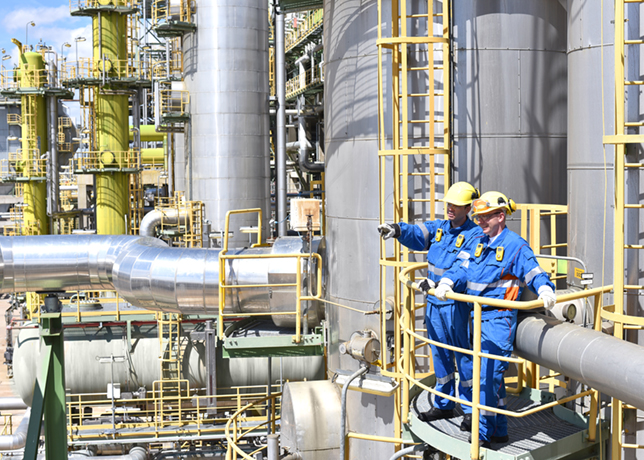


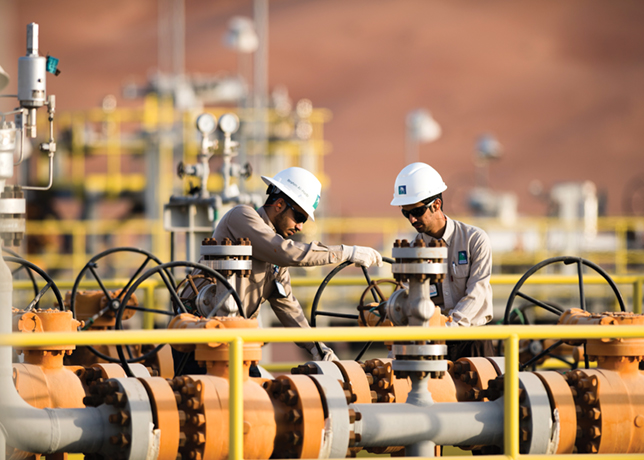


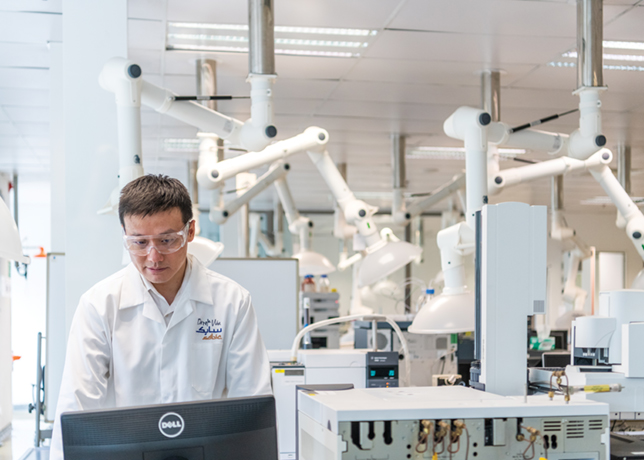


Banagas has achieved a record rate of seven million man hours without a lost-time accident. The company’s outstanding occupation safety record has received international recognition with the presentation of safety awards from the Gas Processors Association of the USA and the Royal Society for the Prevention of Accidents in the UK.
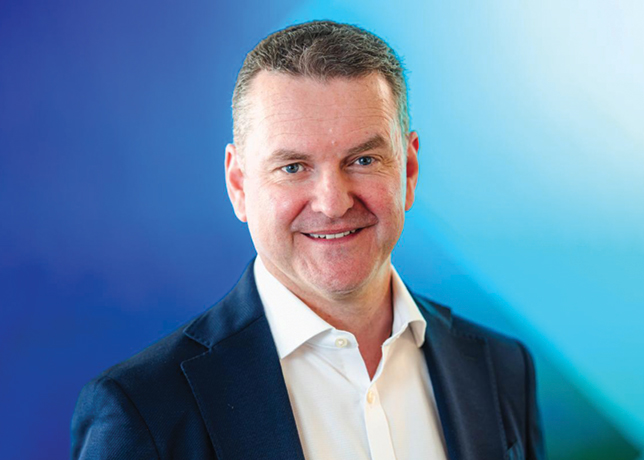
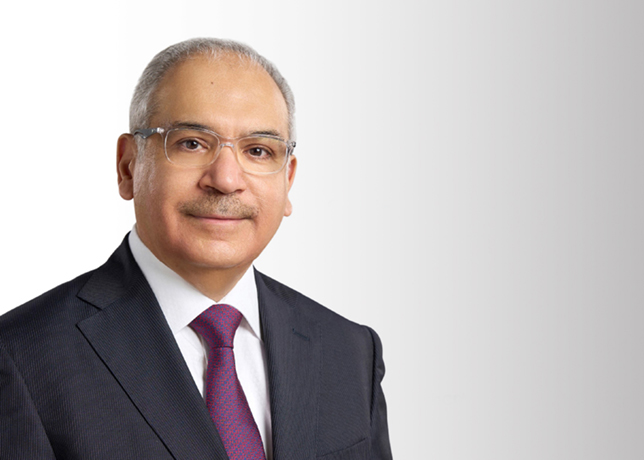
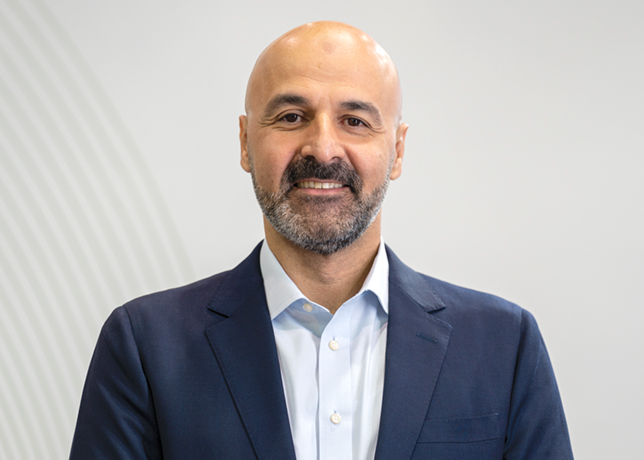
Banagas chief executive Dr Sheikh Mohamed bin Khalifa Al Khalifa, says that this achievement was evidence of employees’ compliance with safety regulations and their full awareness of professional responsibility. “The sense of safety is always there, everywhere in the company,” Dr Sheikh Mohamed explains.
This exceptional achievement is the result of employees’ alertness and compliance with safety regulations and professional practice, says the company. It is also a result of the ongoing intensive efforts on the part of Banagas since its inception to establish safe working practices throughout the company. The safety regulations are designed to protect employees and equipment against potential hazards, and employees are instructed to use safety equipment through regular training sessions, it adds.
According to Dr Sheikh Mohamed, the next safety target would be 8 million man hours without lost time accident. He expressed his confidence that with this ongoing awareness and dedicated adherence to the safety rules and regulations on the part of employees, Banagas will be able to achieve its target.
JGC DEAL
Banagas and JGC Gulf International have signed an engineering, procurement and construction (EPC) agreement for the new compressor station, including gas gathering and transmission lines, for a value of $42.4 million.
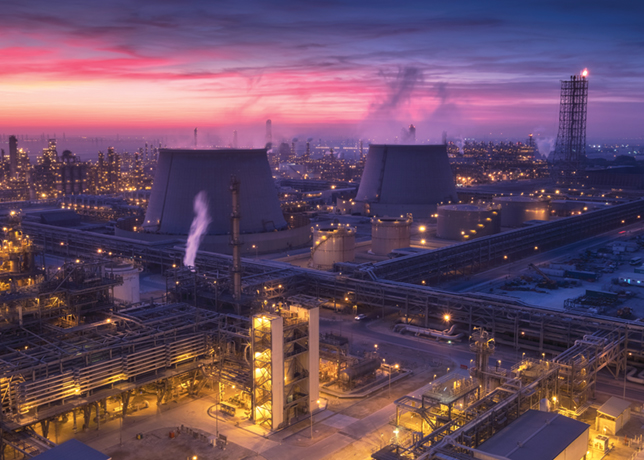
The new compressor station will be designed to compress and deliver about 60 mmscfd of a mixture of associated and refinery offgas.
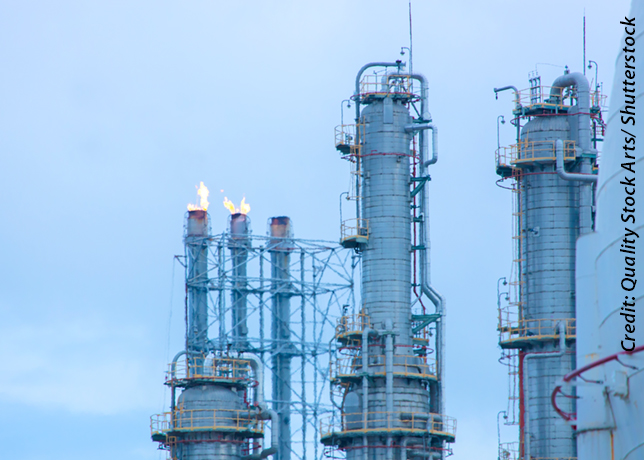
The new compressor station will help ensure continuous handling of up to 310 mmscfd of associated and refinery offgas and enable the company to comply with the Noga directive of “no flaring and no venting”.
Mechanical work on the project is expected to be completed in 22 months with commissioning and startup in August 2013.
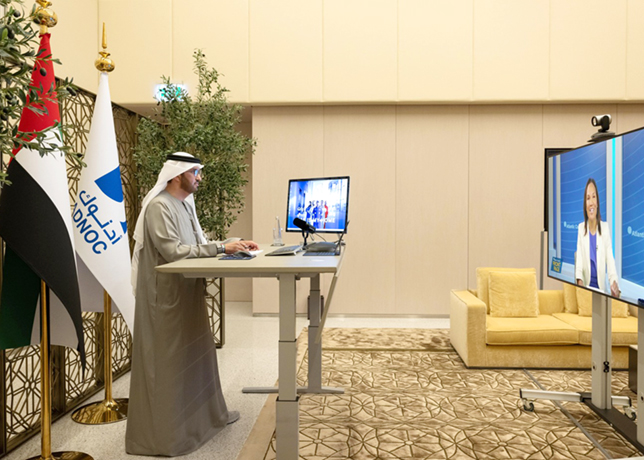
Energy Minister Dr Abdul-Hussain bin Ali Mirza congratulated Banagas and JGC for signing the EPC agreement for a new compressor station as he received Banagas vice-chairman Wedad Mohamed Al Maskati and JGC Gulf president and chief executive Tadao Takahashi in the presence of Banagas board members, executive management and JGC officials at a ceremony.
Meanwhile, Dr Mirza praised Dr Sheikh Mohamed for his role in leading the company and congratulated all employees for winning the British Safety Council International Safety Award with ‘distinction’.
Dr Sheikh Mohamed visited the Minister’s office at Noga headquarters in the presence of Ahmed Majid, deputy general manager administration and finance, and James Pringle, manager project finance.
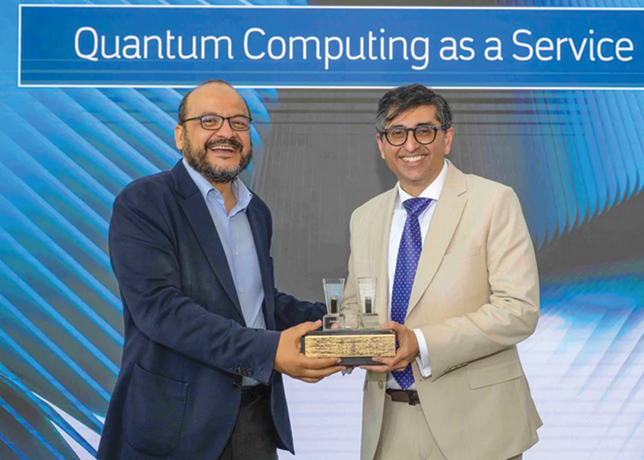
Banagas has been recognised with this award for its health and safety performance. The award was given by one of the world’s leading advocates of workplace health and safety, the British Safety Council, and is supported by the health and safety executive. Banagas chief executive, Dr Sheikh Mohamed and M Khalid Ahmed, engineering and technical services manager received the award at a ceremony in London.
The award acknowledges the commitment that companies have made to improving corporate health and safety and rewards the success of achieving high safety standards. With over 600 applications from across the world, winning award is a true testament to the dedication of Banagas to the health and safety of its workforce.
The international safety awards are open to all industries and sectors from across the globe and are independently adjudicated. They are seen as an excellent motivator for businesses looking to attain high standards in workplace health and safety.
Speaking at this year’s awards, Julie Nerney, British Safety Council chief executive, said: “This year we decided to raise the bar for the International Safety Awards and by doing so we have seen exceptional standards in the applications. I would like to congratulate all winners on their achievement and they should all be very proud. It is great to have such dedicated organisations with us on the journey towards excellent health and safety standards.”
BENCHMARKING STUDY
Banagas has also decided to carry out a performance benchmarking study on its operations in compliance with the National Oil and Gas Authority (Noga) strategic directives and plans for all its member companies.
Benchmarking is a method of measuring and improving our performance by comparing itself with other companies in the same industry.
At the kick-off meeting held in Amsterdam Khalid Noor, manager operations and Khalid Al Thawadi, superintendent mechanical, gave a presentation on Banagas’ activities to show how the company plans to reach the goals of benchmarking for many reasons:
• Reduce costs;
• Adopting industry best practices;
• Becoming more competitive by improving employees / facilities efficiency, dependency, performance and problem solving;
• Developing accurate measures of productivity;
• Developing and implement strategic goals;
• Focusing on significant improvements rather than incremental improvements to meet realistic actionable plans, goals, and objectives;
• Obtaining a better understanding of the LPG industry and discovering emerging technologies.
The study will be carried out by an external consultant, Juran Institute, who is a leader in this field.
A Benchmarking process team has been established to work with the consultants as follows:
Khalid Mohammed Noor, manager operations, Mohammed Yaeen Al-Hosani, manager administration, Khalid Ebrahim Al-Thawadi, superintendent mechanical, Mohammed Ali Matter, acting superintendent S/D operations, Jassim Hasan Al Saegh, process engineer, Bobby Varghese, senior accountant projects, Layla A.Latif Hassan, senior supervisor – compensation and benefits.
REDUCING EMISSIONS
Once again, Banagas has lived up to their commitment to protect the environment. Banagas operates eleven gas turbines to drive gas-compressors at its compressor stations.
The company monitors the exhaust emissions from these machines on a regular basis and endeavours to maintain emissions in line with the regulations laid down by the Environment Regulation Authority of the Kingdom of Bahrain.
The level of exhaust pollutants, NOx and CO, from these turbines is lower than the required international standards, except for five turbines, due to the fact that they are now over 30 years old.
As part of its efforts to reduce NOx emission from these turbines, the company modified the combustion system on one of these machines during November 2010.
This modification has resulted in a reduction in NOx levels of more than 40 per cent. Encouraged with this result, the company is now planning to implement this modification in the remaining gas turbines in a phased manner.
This achievement will result in avoiding have to undergo significant investment to replace the existing turbo-machinery and will enable the company to meet Bahrain’s environment regulations.
CERTIFICATION
Having successfully passed both stage one and stage two of the audit requirements, Banagas has been awarded OHSAS 18001:2007 certification (an internationally accepted standard for occupational health and safety management).
Representatives of the certification body, Bureau Veritas, have expressed their complete satisfaction with Banagas’s safety, health and environment (SHE) management system. No nonconformities were found from those sections and departments which were subject to the auditing process. It is an exceptional achievement that a company passes such a rigid audit at the first attempt.
Commenting on this important achievement, Dr Sheikh Mohammed extended his sincere congratulations to all employees of the company and emphasised that certification has been the result of the exerted efforts of each and every member of staff, contractors and visitors, who have all endeavoured to observe the company’s occupational safety, health and environmental policy. He also applauded the commitment of all employees throughout the company to the occupational safety, health and environmental policy in order to maintain high levels of performance.
DR SHEIKH MOHAMED HONOURED
The USA National Safety Council (NSC) has announced its 2011 CEOs who ‘Get It’, its annual recognition of business leaders who demonstrate world class safety at all levels of their organisations. According to the NSC these leaders understand the real value of safety and work with their employees to ensure safety remains everyone’s focus and responsibility.
This year’s roster of 10 CEOs come from national and international organisations of different sizes from a wide variety of industries.
Dr Sheikh Mohamed Al Khalifa, chief executive of Banagas, was selected as one of the 10 CEOs who have overseen safety management systems that have helped reduce risks and who have established performance measures to monitor progress.
In an interview, Dr Sheikh Mohamed said that he was very proud of this outstanding recognition and considered the award was not just recognition for Banagas and the National Oil and Gas Authority (Noga) but a wider recognition of the safety standards maintained throughout Bahrain. Dr Sheikh Mohamed strongly believes that protection of the environment and safety and health considerations are a major part of Banagas’ corporate culture with the employees considered to be the company’s most valuable asset.
He also emphasised the belief that if the company is to produce world-class products, Banagas will need the best and most experienced employees on the job.
“We need them to be trained, fit, alert and working safely”.
In an interview with the National Safety Council magazine, Dr Sheikh Mohamed said the company uses safety performance indicators to develop corporate objectives. He also focused on how safety pays “We believe that safety has its own rewards, as it results in improved productivity, higher morale, reduced absenteeism, health care costs and reduces workers’ compensation costs.”
Dr Sheikh Mohamed added that Banagas was currently enjoying more than 6 million manhours without a lost-time accident, a clear indication of safety awareness throughout the company and a source of much pride.
“Creating a culture of safety in any organisation requires commitment and dedication”, said Janet Froestcher, NSC president and CEO. “Top CEOs understand safety is everyone’s responsibility and empower their employees to engage in the process”, she added.
NSC’s history goes back to 1912 when the first cooperative safety congress met in Milwauke, comprised of industrial leaders from the Midwest who were concerned for American workers’ safety. The outcome of their gathering was a decision to form a permanent body for the promotion of safety in US industry. Subsequently, a year later on October 13, 1913 the National Safety Council was formed in Chicago.
Since then the NSC has lead the way by promoting safety awareness and as a result preventing injuries and death in the home, in industry, and on the road, through leadership and research advocacy.
Commenting on the company’s achievements, Dr Sheikh Mohamed said “the spirit of working as a family is clearly sensed in the company at all levels. We continually consult with employees and the labor union on matters related to health and safety.
They are involved in the decision-making process through committees, meetings and team briefings.
We now aim to reach a record 7 million man-hours without a lost-time accident this year”.
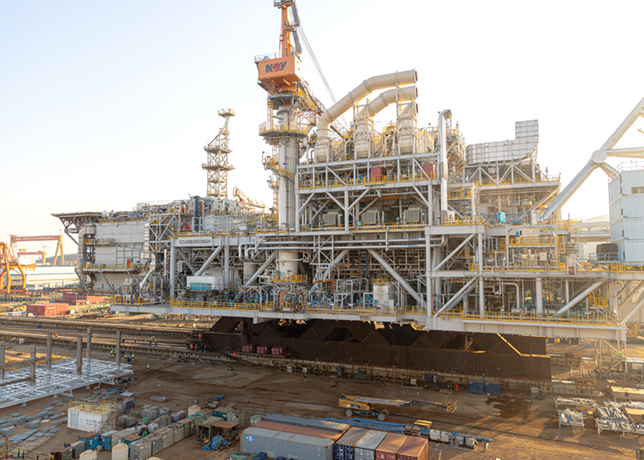
The Bahrain National Gas Company (Banagas) was formed in 1979 with the prime objective to operate LPG facilities to recover, propane, butane and naphtha from associated gas produced from oil wells and refinery off-gas. Banagas has over 450 employees.
BANGAGS … THE JOURNEY
 |
|
Banagas ... committed to occupational safety |
On the 17th of December 1979 His Highness Sheikh Isa bin Salman Al-Khalifa, the late Amir of Bahrain, inaugurated the Associated Gas Project marking a major step in the Government of Bahrain’s determination to use energy effectively.
The primary objective of this project was to use the large quantities of associated gas extracted from the Bahrain Oil Field, which for more than 40 years, had previously been wasted. Now this valuable natural resource, through maximum utilisation, produces a substantial contribution to the national economy and has created employment opportunities for the national workforce.
The project was incorporated as the Bahrain National Gas Company (Banagas), 75 per cent owned by the Government of Bahrain with the remaining 25 per cent equally owned by the Arab Petroleum Investment Corporation (Apicorp) and Caltex Bahrain, now Chevron Bahrain. At a cost of $100 million the project included the construction of four gas compressor stations, a processing plant to recover propane, butane and naphtha, and a storage area at Sitra.
HISTORIC EVENT
It was a historic event for Bahrain when the Japanese tanker “Yuyo Maru” was loaded with the first shipment of 5,000 metric tonnes of butane in March 1980. Since then, the company has continued to produce products conforming to the highest international specifications.
Due to a substantial increase in the quantity of associated gas extracted from the Bahrain Oil Field during subsequent years, an expansion project was launched in 1988 to upgrade plant processing capacity from 170 to 280 million standard cubic feet per day (mmscfd). The project, which was implemented by the Government of Bahrain as a sole venture, involved construction of two additional compressor stations and a new processing train at the Central Gas Plant. The project was commissioned in October 1990.
NEW COMPRESSOR STATION
In 2003, another compressor station was constructed as part of the project to process additional quantities of associated gas, as well as propane and butane-rich refinery off gas under an agreement with the Bahrain Petroleum Company (Bapco).
In 2008, the project was converted into an independent company, the Bahrain National Gas Expansion Company, solely owned by the Oil and Gas Holding Company (Nogaholding).
2011 ... NEW BEGINING
 |
|
Banagas succeeds in reducing exhaust |
In September 2011 an engineering, procurement and construction (EPC) agreement for a new compressor station including gas gathering and transmission lines was signed between Banagas and JGC Gulf International.
In October 2011 the Arab Petroleum Investments Corporation (Apicorp) sold its stake in Banagas to Boubyan Petrochemical Company.
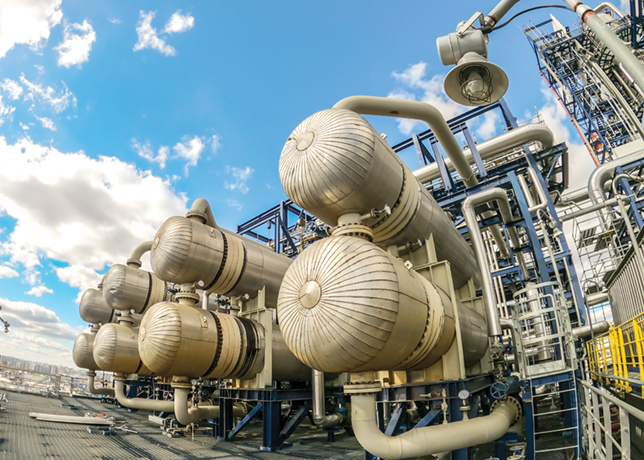
At the Central Gas Plant LPG is recovered from the gas and propane, butane and naphtha produced through fractionation. Propane and butane are transported to the storage area at Sitra and stored in refrigerated LPG tanks for onward export to various parts of the world while naphtha is transferred to the Bahrain Refinery (Bapco) for storage and onward export mainly to Asia.
The residual lean gas, mainly methane and ethane, is routed to Aluminum Bahrain, the Bahrain Refinery and Electricity Directorate’s Riffa Power Station to be used in operating their gas turbines after meeting the company’s own fuel gas requirements.
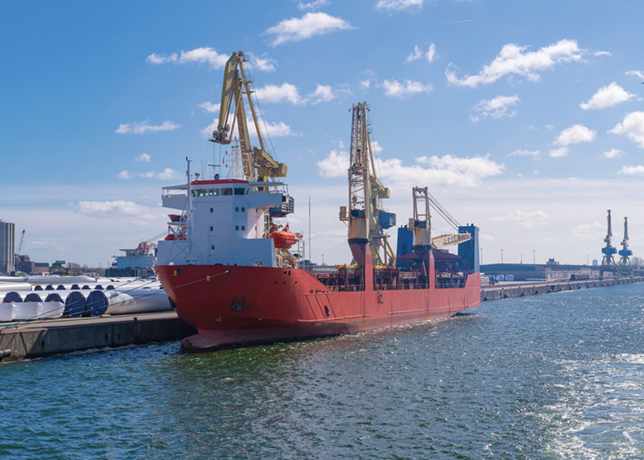
With the exception of a small quantity of propane supplied to the local market all our products are exported. Each year an international tender is issued and award make under a sealed bid process. A specialist in-house team handles the tender process and logistics support, from scheduling of vessels to provision of documentary instructions.
BAHRAINISATION
When the company first started operations Bahraini personnel represented 48 per cent of the total workforce. However, in line with the company’s policy to create an efficient and highly skilled national workforce, vigorous development and training programmes were implemented. At present the company employs just under 500 people, 94 per cent of which are Bahrainis.


