










































India and China are building emergency stockpiles with millions of barrels of crude, taking advantage of lower oil prices, according to the International Energy Agency
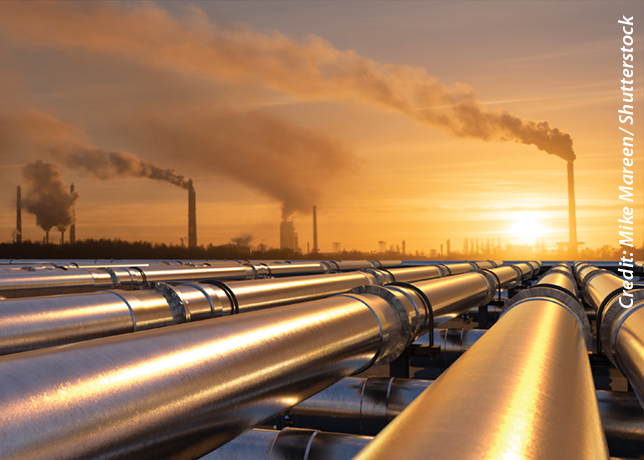
Sluggish oil is expected to get some boost with major oil consumers, including the US, China and India, buying up huge stocks to fill up their strategic oil reserves this year, taking advantage of lower prices, according to the International Energy Agency (IEA).
India, which had approved a $330 million budget to cover the filling of its first emergency tanks this year, is now reported to be buying up to 8 million barrels of crude.
A Reuters report said the petroleum ministry has authorised state refiners Indian Oil Corporation and Hindustan Petroleum Corp Ltd to each seek two very large crude carriers (VLCC) of Basra oil, totalling 8 million barrels, for delivery in May-June.
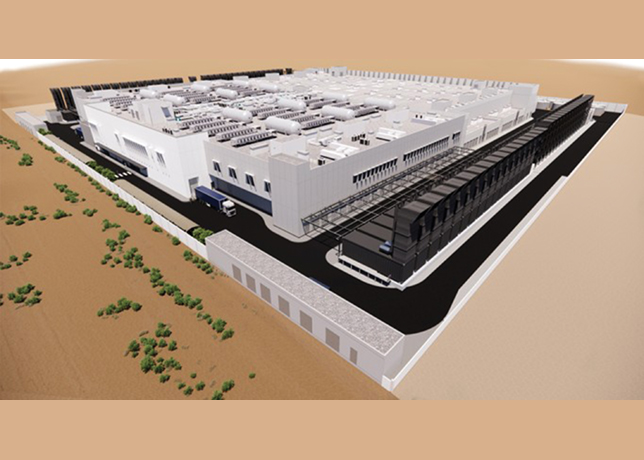
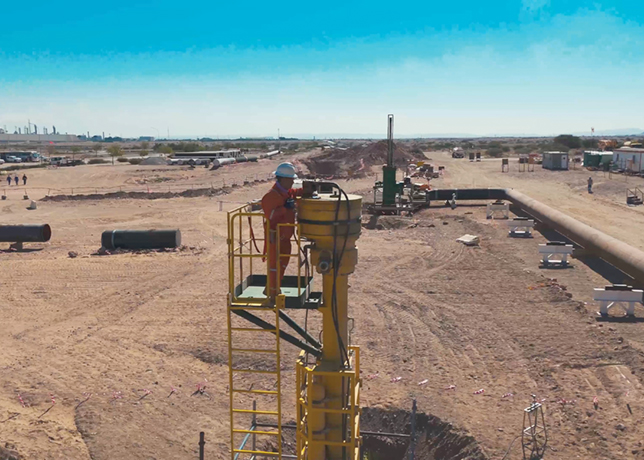
The Indian Strategic Petroleum Reserves Ltd, the company in charge of the stockpile, has already built a tank farm in eastern India capable of holding 10 million barrels of crude. Another two facilities in western India are expected to be completed by the end of the year, adding a combined 28 million barrels of capacity.
‘’Cheaper oil facilitates the building of strategic reserves,’’ Paris-based IEA says in its latest monthly oil market report.
India and China are building emergency stockpiles with millions of barrels of crude that mirror the reserves of oil and refined products that the US and its western allies amassed after the first oil crisis of 1973 to 1974, IEA says.
The purchases, if confirmed, will add to global oil consumption growth, IEA said, offsetting ‘’current weak fundamentals’’ of supply and demand and potentially boosting prices.
The energy watchdog said China was 'expected to again stockpile crude in 2015' as it completes new tanking capacity. Beijing in November for the first time revealed details of its oil stockpiling program, saying it held about 91 million barrels in four different locations. The US holds 696 millions barrels of oil in its emergency reserve, the largest in the world.
Brent crude, a global oil benchmark, has fallen 47 per cent over the past year to trade at about $57 a barrel.
IEA says: ‘’Since oil prices began their rapid retreat last June, the import bills of oil-importing economies have declined.
'This has assisted governments in many of these countries in either adding to their strategic reserves or putting in place firm budgetary provisions to increase oil holdings.'
The energy watchdog says China was ‘’expected to again stockpile crude in 2015’’ as it completes new tanking capacity.
Beijing in November said it held about 91 million barrels in four different locations. The US holds 696 millions barrels of oil in its emergency reserve, the largest in the world.
IEA, adviser to 29 oil-consuming nations, said Vietnam had also used lower oil prices to boost its commercial stockpiles held at refineries.
China and India have said in the past they need to build strategic reserves to offset the risk of a disruption in supplies, mostly from the Middle East and North Africa.
Western countries have used their strategic reserves only three times over the past 35 years, during the first Gulf War in Iraq in 1991, after hurricane Katrina in 2005 and, in 2011, after the start of the war in Libya.

