


























Words like climate change, carbon footprints, and net-zero are seen on the news every day across the Kingdom.
However, many people still wonder what these terms mean for citizens, neighbourhoods, and local businesses.
Before examining solutions, it is important to understand what a corporate carbon footprint actually is.
Every time a business runs its air-conditioning, uses electricity, drives delivery vehicles, or operates machinery, it releases invisible greenhouse gases (GHG) into the air.
The total amount of these gases produced by a company’s operations over one year is called its corporate carbon footprint.
These gases trap heat like a heavy, invisible blanket; if the blanket gets too thick, weather conditions can become harsher.
To fix this, the GCC region aims to cut these harmful gases by 30 per cent by 2035 and reach net-zero emissions by 2060.
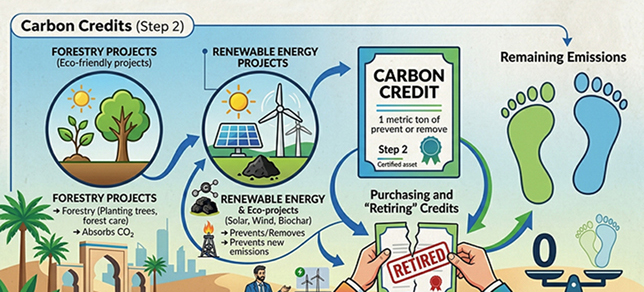
Companies purchase carbon credits if they cannot avoid emitting carbon
Net-zero does not mean stopping business operations or freezing economic growth.
Instead, it works like a balanced bank account: for every gram of carbon gas released, businesses must find a way to balance or wipe out an equal amount.
Experts break this process down into two major steps:
STEP 1: INTERNAL REDUCTION
The absolute golden rule of going green is that reduction must come before offsetting.
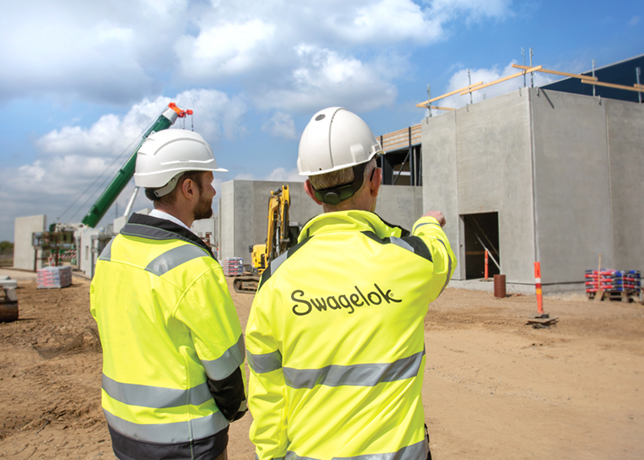
Internal reduction means changing how a business operates from the inside out to reduce pollution.
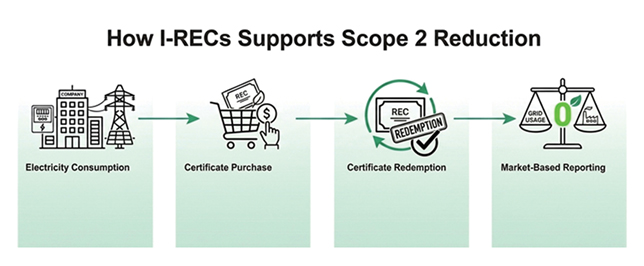
Companies use I-RECs to reduce Scope 2 emissions
The practical internal actions include:
• Upgrading older, power-hungry appliances to energy-efficient models.
• Switching office lighting to smart LEDs that turn off automatically when a room is empty.
• Using green energy whenever possible.
By focusing on internal reduction first, a business significantly shrinks its carbon footprint. This directly cuts down utility bills and leaves a much smaller remaining footprint to deal with later.
STEP 2: CARBON OFFSETTING
Once internal reduction is complete, some emissions from daily operations will still be impossible to eliminate.
Carbon offsetting steps in to bridge this gap.
When a company cannot avoid emitting carbon, it can purchase carbon credits produced by eco-friendly projects.
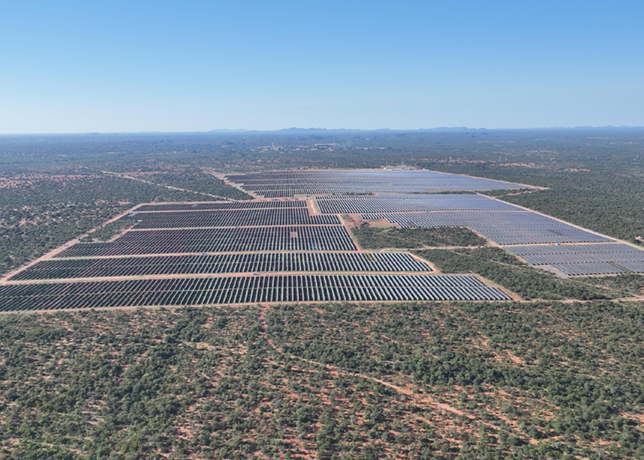
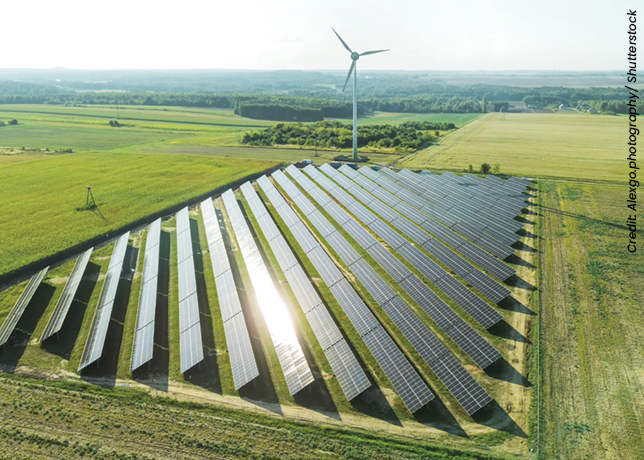
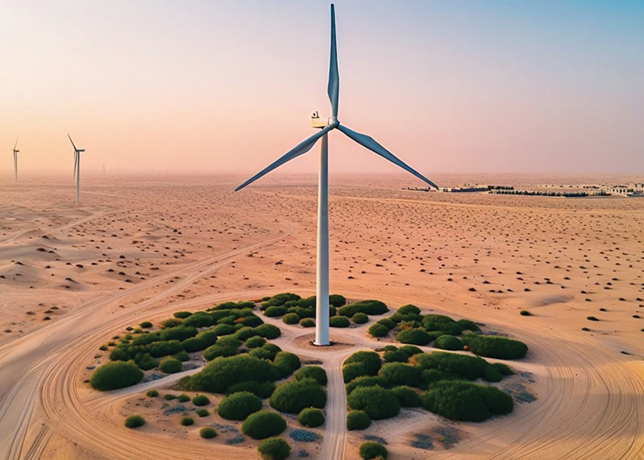
These projects include planting forests, using biochar, or running solar and wind farms that absorb or avoid carbon dioxide.
Every metric tonne of carbon prevented or removed creates a certified financial asset called a carbon credit.
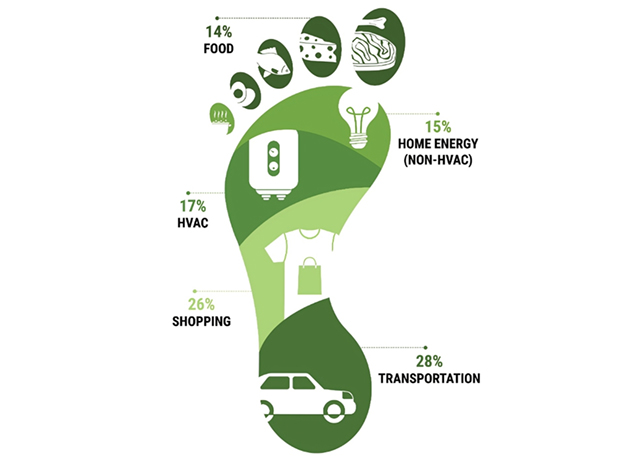
A carbon footprint ... total GHGs released by a person, product, company, or activity
By purchasing and retiring these credits, a company balances its climate ledger.
To reduce specific electricity-related emissions (known as Scope 2 emissions), companies use International Renewable Energy Certificates (I-RECs).
These are digital tracking tokens proving that 1 megawatt-hour (MWh) of electricity was generated from a clean source.
Since a company cannot pull green electricity directly from the public power grid, it uses these certificates as legal receipts of clean energy ownership.
Under international carbon accounting rules, matching grid electricity with I-RECs allows a company to report its Scope 2 emissions as zero.
LOCAL IMPLEMENTATION
Local experts in Bahrain, such as NorthStar Eco Consult (NCE), assist organisations with this offset mechanism.
As partners for the Global Carbon Council and the I-TRACK Foundation, the company serves as a green guide in the GCC region to help organisations achieve emission reduction goals.
The consultancy works with organisations to measure footprints, implement practical reductions, and use globally recognised registries and I-RECs certificates to support credible climate action.
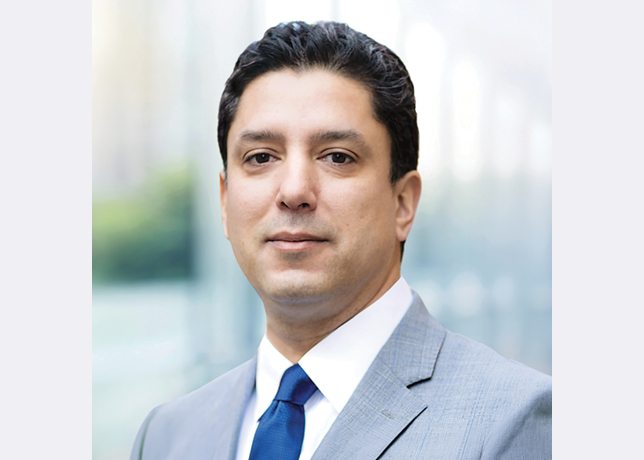
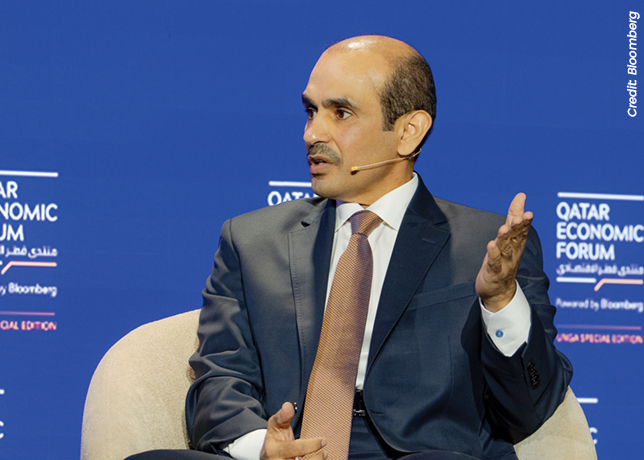
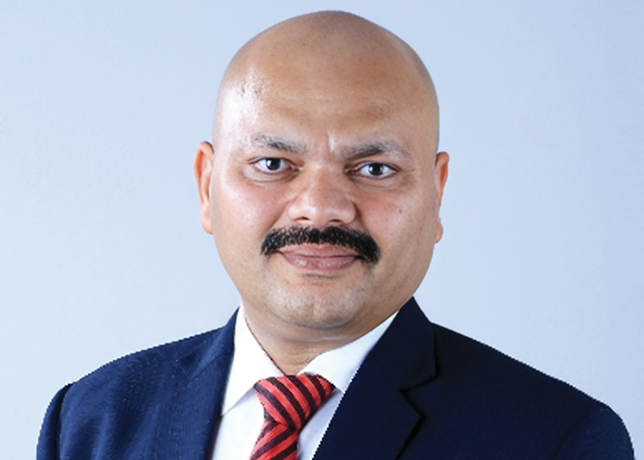
According to Deepak Magar, Director at NorthStar Eco Consult: “The priority should always be reducing emissions first, with offsetting used responsibly for what cannot yet be avoided.”
Scan the code for free a consultation with Northstar Eco Consult: