
































As blackouts plunge conflict-ravaged regions into darkness, 600 micro-solar units are serving as a critical lifeline for vulnerable families surviving on the edge of grid failure.
Hope For Ukraine (HFU) is targeting high-rise apartment dwellers and frontline households where toxic diesel generators pose severe hazards, restoring life-saving electricity.
Each 1,200-watt (W) system sustains essential communications, low-power medical devices, and basic indoor cooking.
The units are engineered to endure harsh Eastern European winters and can be plugged directly into electrical panels to capture swift charges whenever main power flickers on.
Shipped directly from the US and supported by local volunteer networks, the systems have operated without technical failure since January 2025.
This decentralised approach eliminates reliance on fragile fuel supply chains while empowering families to survive brutal wartime energy deficits safely indoors.
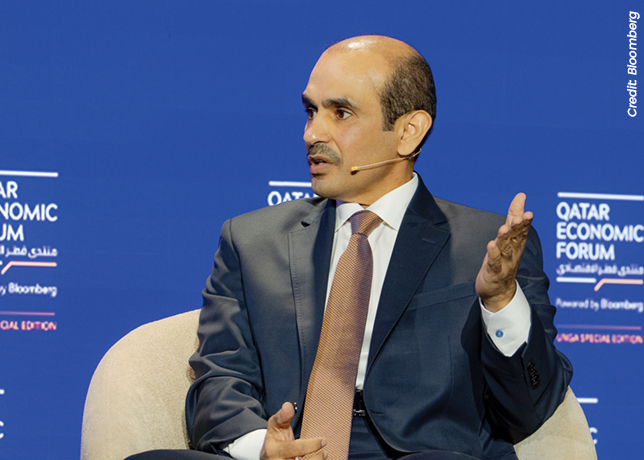
“The programme began as emergency relief but Hope for Ukraine is actively transitioning it into a permanent distributed-energy-resilience framework for low-income apartment residents across Ukraine,” Yuriy Boyechko, CEO, Hope for Ukraine, tells OGN energy magazine in an exclusive interview.
By embedding off-grid assets directly into domestic networks, the organisation is converting acute disaster response into a permanent foundation for post-war energy reconstruction.
Below are excerpts from the interview:
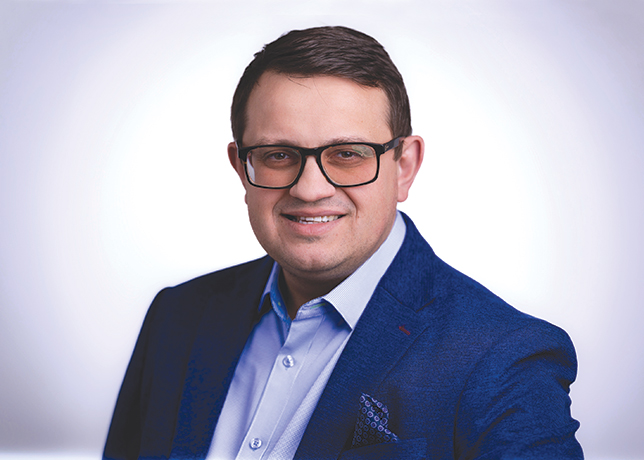
Yuriy Boyechko
How is HFU coordinating with local municipal authorities and energy operators to identify prioritised regions where centralised grid failure is most severe?
HFU prioritises solar-powered units for people living close to the frontline and for families living below the poverty level, where prolonged blackouts create the greatest risk to safety, communication and basic daily life.
In these communities, access to a dependable source of off-grid power can be the difference between remaining connected and being left without light, phone charging or the ability to operate essential low-power devices.
Our local authorities play an important role in identifying the families and communities with the most urgent need.
Their knowledge of local conditions helps our teams assess the areas that have been most affected by attacks on infrastructure, recurring power failures and economic hardship.
This coordination helps ensure that support reaches the households that are both highly vulnerable and most likely to benefit immediately from the equipment.
By combining information from local authorities with the knowledge of our volunteers on the ground, HFU can direct the units where they will have the strongest humanitarian impact, including frontline families and low-income households facing a winter in which reliable grid power can no longer be assumed.
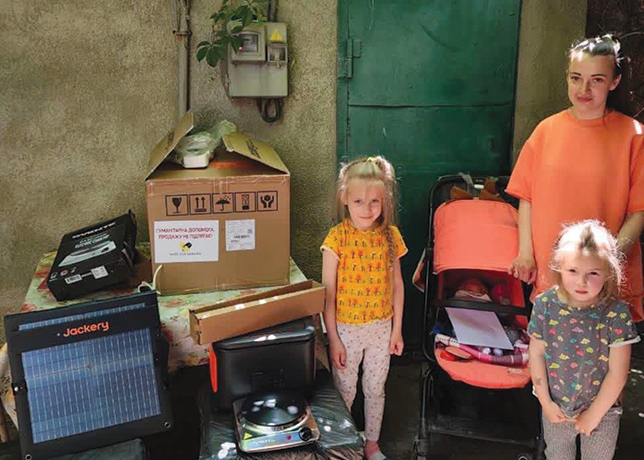
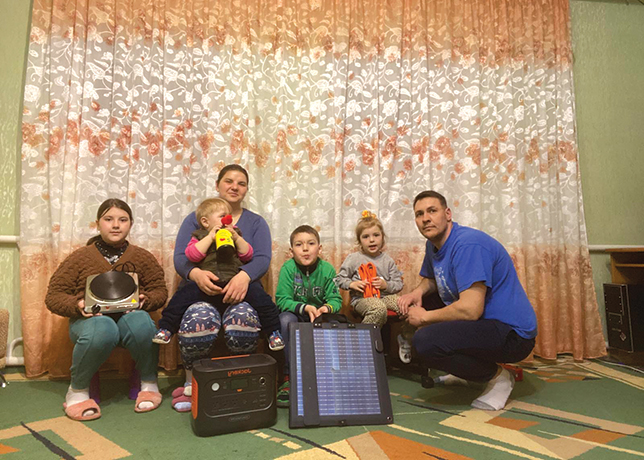
A mother and her two daughters living on the frontlines receiving a solar energy kit from Hope For Ukraine
What specific power threshold and technical specifications do these 600 solar units provide to ensure they can maintain essential household loads rather than providing nominal lighting alone?
The 600 units are 1,200-watt (W) solar-powered systems. This is a meaningful household-resilience threshold, with each unit designed to power essential loads rather than lighting alone, including phones, LED lighting, communications equipment, selected low-power medical devices, and an electric cooktop.
In an environment where centralised and conventional backup power may be unavailable, 1,200 W gives families practical capacity to maintain connection, visibility and basic food preparation during outages.
How do your deployable solar-powered units perform under Eastern European winter conditions, especially when it comes to battery capacity and thermal management under low solar irradiance?
The units deliver essential backup power, not unrestricted whole-home electricity or space heating.
In the Eastern European environment, during winter months, when charging from the Sun might not be the fastest way to recharge these units, we have implemented a connectivity setup, where residents of apartments can connect their units to their main electric panel.
So, if there is power for only a few hours, the unit will recharge from the grid to compensate for slow solar charging.
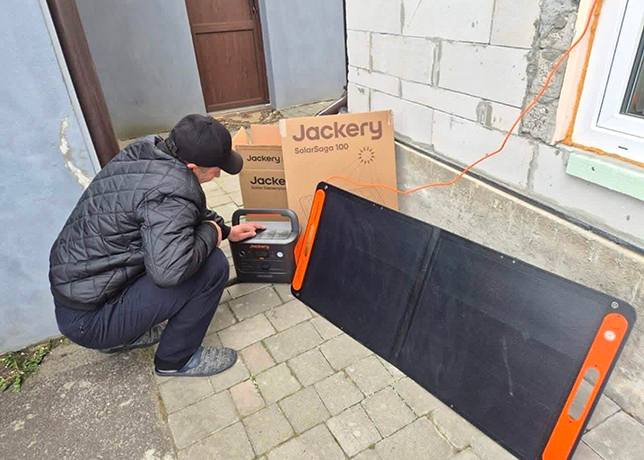
A micro-solar unit costs $800
How does the levelised cost and deployment speed of your micro-solar units compare against traditional fossil-fuel generators, particularly given the volatility of wartime fuel logistics?
Micro-solar kits offer a critical advantage for families living in high-rise apartments, where diesel generators are often impractical or unsafe because of fuel storage, exhaust fumes, noise, fire risk and ventilation requirements.
The solar-powered units can be used safely indoors to provide essential backup power for lighting, phones, communications equipment, low-power medical devices and basic cooking.
Unlike diesel generators, they do not depend on fuel deliveries or create emissions, making them a practical and dependable off-grid option for apartment residents facing prolonged blackouts.
What precise logistical protocols are being utilised by your ground teams in Ukraine to transport and distribute 600 high-value energy units across volatile regions without compromising asset security?
All units moved together inside our humanitarian aid container that we ship from our warehouse in New Jersey in the US to Ukraine.
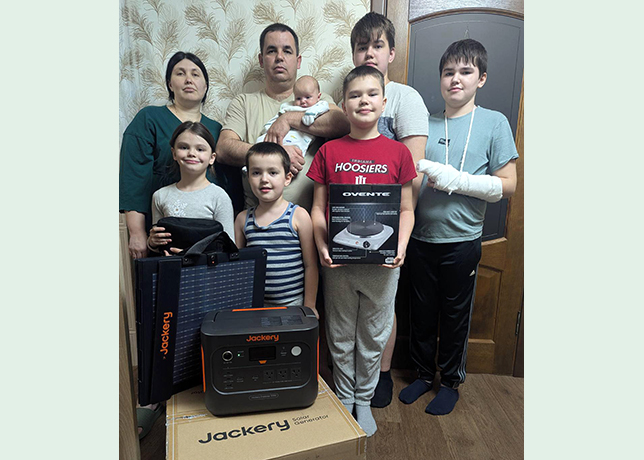
A large family from the frontlines receiving a solar energy kit from HFU for their home
Beyond acting as an immediate emergency relief measure, how does HFU evaluate the operational lifespan and component degradation of these off-grid systems in an active conflict zone?
HFU manages these solar-powered units as long-term resilience assets, not one-time emergency donations.
Our local volunteers check in with recipient families regularly to confirm that the units are functioning properly, answer basic operational questions and identify any support needs as they arise.
This close community follow-up is particularly important in areas where prolonged outages and active conflict can place unusual strain on household equipment.
The programme began in January 2025, and the units deployed to date have performed properly with no reported technical problems.
That field experience gives HFU confidence in the reliability of the systems under real-world Ukrainian conditions.
We will continue to monitor unit performance through regular family contact, while encouraging beneficiaries to use the equipment within its intended load limits and to follow safe storage, charging and solar-panel guidance.
Our aim is straightforward: Every unit should remain dependable for the household it serves, providing practical off-grid power for lighting, communications, essential low-power devices and basic cooking when the grid is unavailable.
Given the complete destruction of traditional backup systems, what long-term maintenance, spare-part supply chains, and technical support frameworks are you establishing for end-users?
HFU’s support begins at distribution, when each recipient receives initial training on safe and effective use of the solar-powered unit, including charging, panel placement, load prioritisation and operation during outages.
Users also receive a clear Ukrainian-language guide so essential instructions remain available in the home.
Support continues after handover through regular visits and check-ins by local volunteers, who confirm that units are functioning properly, answer practical questions and reinforce safe operating practices.
This combination of initial instruction, accessible Ukrainian-language information and ongoing local volunteer support helps ensure that the systems remain practical, dependable and useful for families facing repeated blackouts.
What is the unit cost and total capital expenditure required to deploy these 600 solar systems, and what capital allocation is needed to scale this to a macro-level intervention?
Each complete solar-powered unit costs $800, covering the equipment itself, transportation into and within Ukraine, recipient training and ongoing local support.
On that basis, deploying 600 units requires a total capital allocation of $480,000.
This all-inclusive approach ensures that each family receives not only a power system, but also the delivery, practical instruction and continued assistance needed to use it safely and reliably during prolonged outages.
Is HFU’s Solar Energy Resilience Programme designed strictly as an emergency stopgap, or are you actively building a framework for permanent distributed energy resources (DERs) in post-war reconstruction?
The programme began as emergency relief, but HFU is actively transitioning it into a permanent distributed-energy-resilience framework for low-income apartment residents across Ukraine.
We anticipated that the country’s energy crisis would continue well beyond any peace agreement or ceasefire, which is why, last year, we began integrating the systems with main electrical panels where appropriate.
This approach moves beyond temporary backup power by helping households establish safer, more durable access to independent electricity for essential needs.
Our long-term objective is to expand this model so that vulnerable apartment dwellers are better protected from prolonged outages today and have a resilient source of power as Ukraine rebuilds.