












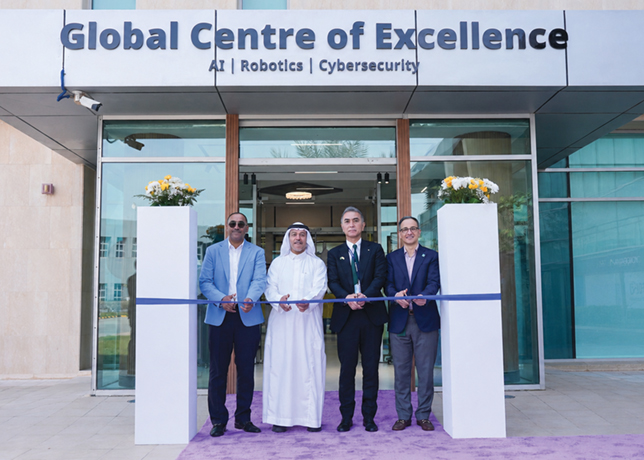
Yokogawa's Global Centre of Excellence (CoE) in the GCC is accelerating the energy sector’s strategic shift from conventional automation to full industrial autonomy, delivering measured reductions in energy intensity, emissions, and downtime.
By combining continuous utility balancing, predictive anomaly detection, and advanced process control (APC), the facility directly bridges operational efficiency with aggressive decarbonisation targets.
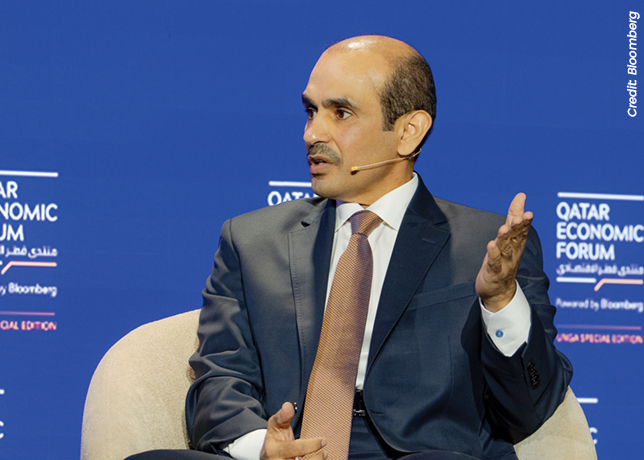
In an exclusive interview with OGN energy magazine, Norinao Sato, President and CEO, Yokogawa Middle East and Africa, says: “Every agent we build is grounded in decades of process engineering and control expertise. That’s the path we’re on: Moving the energy and hydrocarbon sector step by step from automated to truly autonomous operations.”
Central to this transformation is the deployment of industrial AI, including reinforcement learning models that autonomously balance complex unit operations like acid gas removal.
Furthermore, the facility exports localised digital twins, operational technology cybersecurity frameworks, and AI solutions globally.
Below are excerpts from the interview:
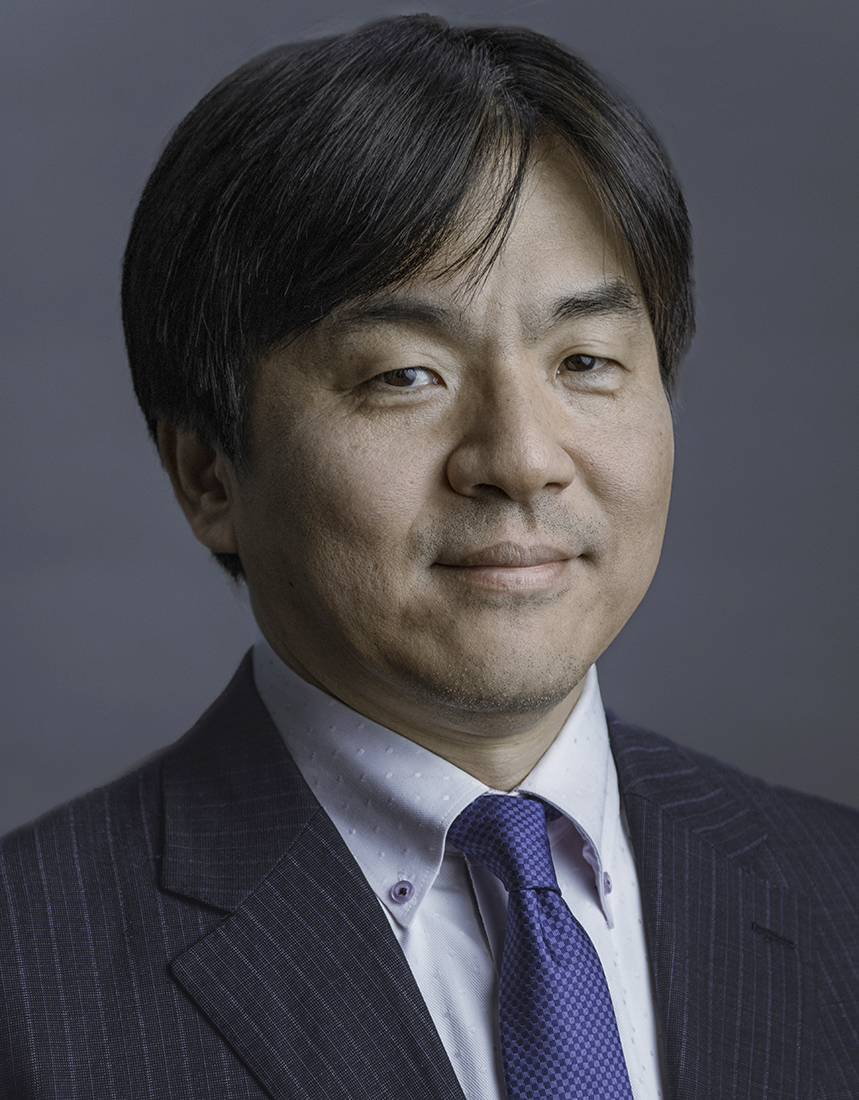
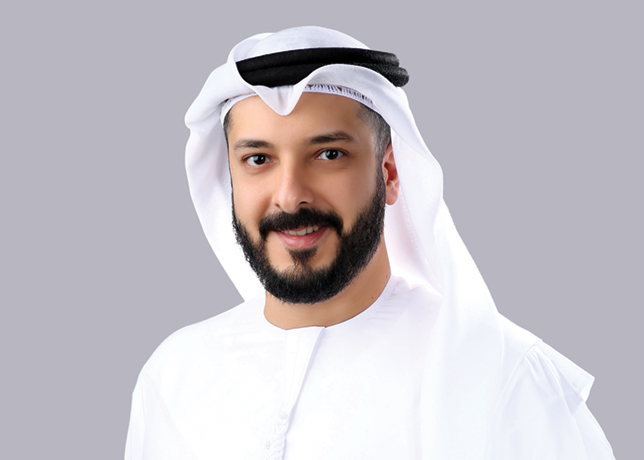
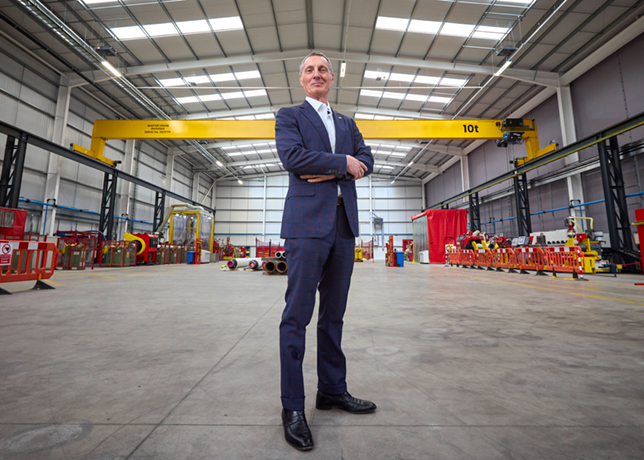
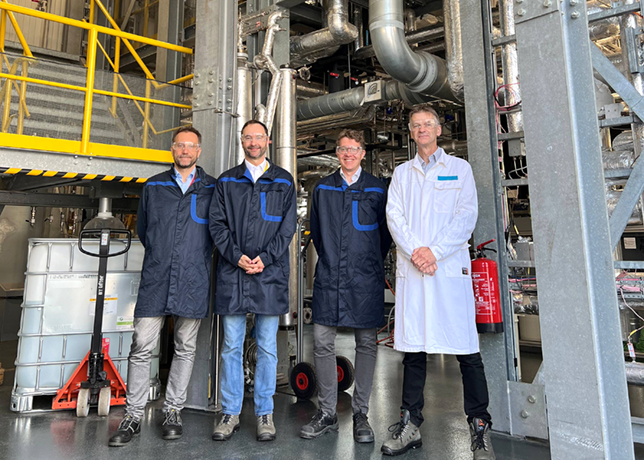
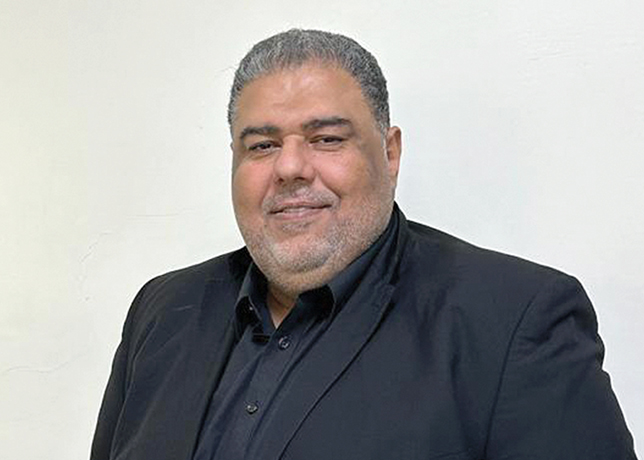
Norinao Sato
What tangible metrics demonstrate the effectiveness of the CoE’s digital transformation initiatives in optimising energy consumption for regional assets?
If we look at four main operational dimensions, we observe:
• Energy consumption and fuel efficiency metrics: Deploying Enterprise Energy Management Services (EEMS) across refining and petrochemical utilities delivers a 10-15 per cent reduction in overall energy costs, while APC and continuous utility balancing drive a 30-40 percent decrease in energy intensity drift.
• Emissions and decarbonisation metrics: Automated alarm responses and predictive anomaly detection eliminate abnormal process upsets, reducing flare and fugitive emissions by 10-20 per cent.
• Operational reliability and asset maintenance: Asset performance management significantly boosts reliability, cutting unplanned downtime and unexpected trips by 20-30 per cent.
Additionally, early detection of equipment degradation and optimised spare parts consumption help lower operating expenditure by 15 per cent.
• Process automation and human performance: Standardised procedural automation cuts manual steps by 40-60 per cent, while centralised Integrated Operations Centres (IOC) and AI alerts enable up to 80 per cent faster responses to process anomalies.
In what specific ways are industrial artificial intelligence (AI) agents and machine learning (ML) algorithms being developed at the CoE to optimise complex hydrocarbon processes like gas treatment?
At our AI CoE, one of our major focuses has been industrial AI agents, which don’t just analyse the behaviour of plants, but they operate them.
Our flagship example is Factorial Kernel Dynamic Policy Programming (FKDPP), a reinforcement learning agent that learns to control processes the way a highly experienced operator would, but with the ability to weigh many interacting variables simultaneously and act in real time.
Take acid gas removal for instance: The unit must hold product gas within tight quality specifications while minimising energy and solvent consumption.
Conventional control handles each loop in isolation. However, our AI agents learn the behaviour of the unit as a whole and continuously find the optimal balance point thus achieving tighter quality, lower energy, more stable operation, all at once.
We’re not an AI company learning about process, we’re an automation company with decades of industry expertise that has mastered AI.
And we are moving the energy and hydrocarbon sector step by step from automated to truly autonomous operations.
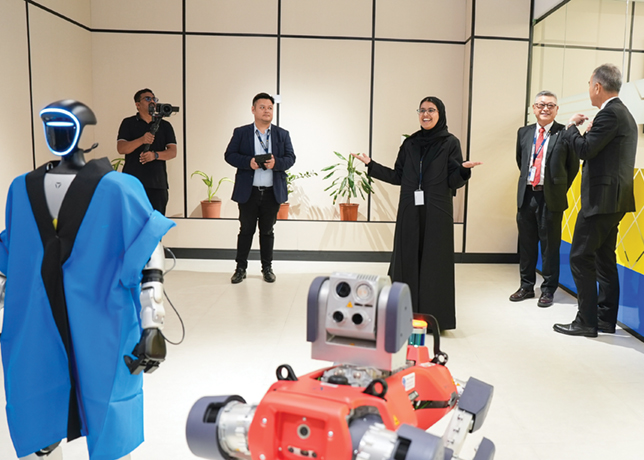
Innovations born at the GCC CoE are shaping how Yokogawa serves customers globally
How is the CoE balancing the deployment of automated decision-making systems with robust operational safety and human oversight in mission-critical energy plants?
For Yokogawa, autonomy and safety aren’t a trade-off, they’re designed together from day one.
Every AI system we deploy earns its place through a structured trust journey.
Before it ever connects to a live plant, it’s rigorously stress-tested in an offline environment against high-fidelity first-principles simulation models.
The AI agents are pushed through abnormal scenarios, disturbances, and edge cases far beyond what we’d ever allow in a real facility.
Only after proving its performance running alongside experienced operators like “shadow mode” that demonstrated itself in the real operating environment does it take on actual control.
Critically, the human is never removed from the loop, the operator’s role is elevated, not replaced.
The operators retain full authority to override or disengage any autonomous function at any time, and every decision the AI makes is logged and auditable.
How does the Global CoE directly accelerate Yokogawa’s strategic transition from traditional industrial automation to full industrial autonomy across the GCC region?
Yokogawa’s Global CoE in the GCC acts as a global catalyst for Yokogawa’s Industrial Automation to Industrial Autonomy (IA2IA) strategic shift, and is driven by four key mechanisms:
• Co-innovation with regional energy giants: By co-developing and deploying advanced autonomous solutions directly with state-owned energy and chemical company with proven tangible/beneficial returns.
• Seamless IT/OT integration: Enabling autonomous field inspection robots’ integration to feed real-time visual analytics and control while mitigating risk in hazard areas.
• IA2IA maturity framework: Providing structured readiness assessment (that is, SIRI) with ministries and helping enterprise targeted high-ROI bottleneck.
• Workforce skill elevation: Upskilling system operators with cutting edge AI/ML tools, robotics and cybersecurity solutions.
How is the CoE addressing the dual corporate mandate of maximising hydrocarbon operational efficiency while aggressively advancing industrial decarbonisation?
The CoE is acting as the bridge/governance between operational optimisation and carbon reduction integration rather than two separate competing goals.
We leverage real-time OT/IT process data, AI and automated control to reduce energy intensity at the point of production while building the infrastructure for net-zero transition.
For maximising hydrocarbon operational efficiency, the primary focus is on APC, digital twin, asset performance management (APM) and IOC.
Meanwhile, for advancing industrial decarbonisation, Yokogawa embeds carbon accounting and low-carbon tech directly into plant control networks.
These are areas like real-time carbon accounting, site-wide energy management systems (EMS), CCUS and clean energy integration.
In what ways are digital twin technologies and advanced data analytics being localised at the CoE to suit the specific environmental and operational profiles of Middle Eastern plants?
To operationalise digital transformation across Middle Eastern national oil companies (NOCs), Yokogawa’s CoE employs a localised framework tailored to extreme scale, harsh environments, complex feedstocks, and strict OT regulations.
Serving as a global energy innovation hub and strategic bridge between executive goals and field execution, the CoE localises digital twins and advanced analytics to optimise multi-unit yield, drive hybrid sour gas modelling, enable decarbonisation and water security, ensure air-gapped cyber-compliance, codify reusable architectures globally, and power operator training simulators alongside multi-agent systems for workforce empowerment.
How does Yokogawa intend to scale its industrial cybersecurity frameworks from this hub to protect the region’s increasingly interconnected operational technology networks?
Yokogawa’s strategy for scaling industrial cybersecurity from a global hub is centred on replicating a converged IT/OT security model, combining centralised expertise with local/global operational support to protect increasingly connected industrial environments.
The key elements of the approach include:
• Regional and global capability building.
• Defence-in-depth and lifecycle security services.
• Advanced threats, visibility and intelligence,
• Regional IT/OT Security Operations Centres (SOCs).
• Convergence of IT and OT security operations.
• CyberRange: Real-world attack simulation-based training.
The Global Cybersecurity CoE is a hub centred for standardised frameworks, deliverable and service governance, continuous monitoring, threat intelligence, and specialist expertise, then extending those capabilities across customer facilities and critical infrastructure networks throughout the region and global.
The goal is to give operators consistent protection, better visibility into OT assets, and faster response to cyber threats without compromising industrial safety or reliability.
What specific programmes has the CoE established with local academic institutions to bridge the gap between theoretical engineering education and industrial execution?
The Global CoE collaborates with Yokogawa’s R&D centre in the GCC and local academic institutions through joint research programmes and talent development initiatives.
We have joined research projects, such as recent robotics collaboration that bring together university researchers, Yokogawa researchers, and CoE subject matter experts to solve real industrial challenges and support future commercialisation.
In parallel, the CoE actively drives talent development through cooperative training (COOP) programme, internships and graduate engineer trainee (GET) programmes.
How does the facility measure its contribution to in-country value creation and the long-term sustainability of the local talent pipeline?
The new Global CoE established in GCC was specifically created for AI, robotics and cybersecurity.
Its mandate is explicitly global rather than regional, suggesting that successful AI-assisted cybersecurity analytics, autonomous inspection robotics, and digital transformation solutions developed in GCC are intended to be shared across Yokogawa’s worldwide operations.
What unique innovations developed within the CoE are currently being exported to influence Yokogawa’s global operations outside the Middle East?
Innovations born in the Middle East are now shaping how serves customers globally.
This region gave us the ideal proving ground for some of the world’s most complex hydrocarbon operations, and customers are ambitious enough to pioneer with us.
Several CoE innovations are now travelling outward, such as AI-based soft sensors. For instance, gas lift optimisation solution uses AI to maximise production from oil wells, an innovation with direct relevance to producing regions worldwide.
At Yokogawa Middle East we are not just adopting technology, we are creating it.