





































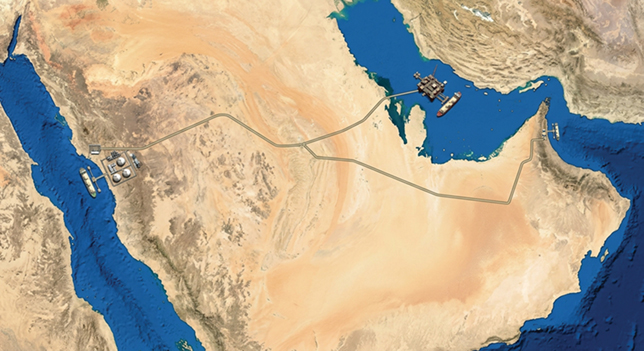
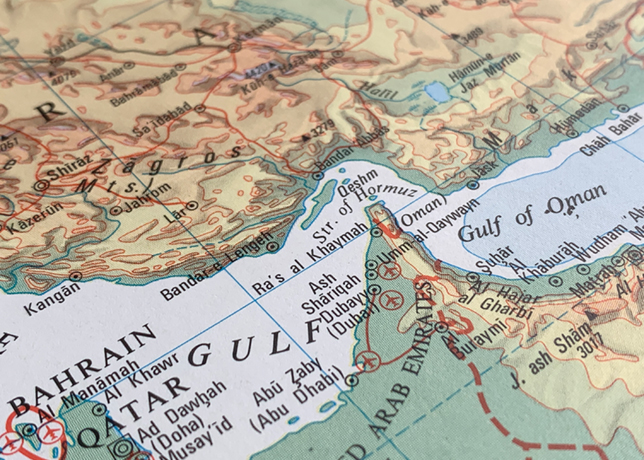
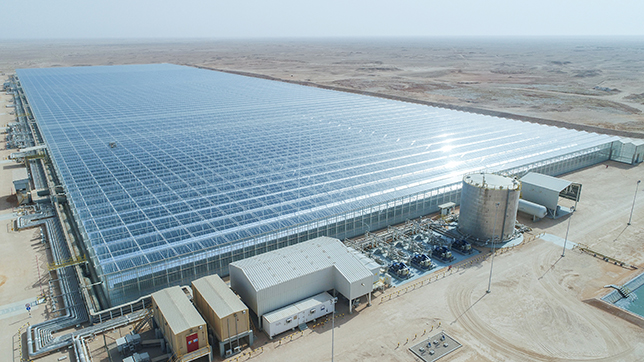
The disruption of the Strait of Hormuz earlier this year sent a now-familiar shock through the global energy markets.
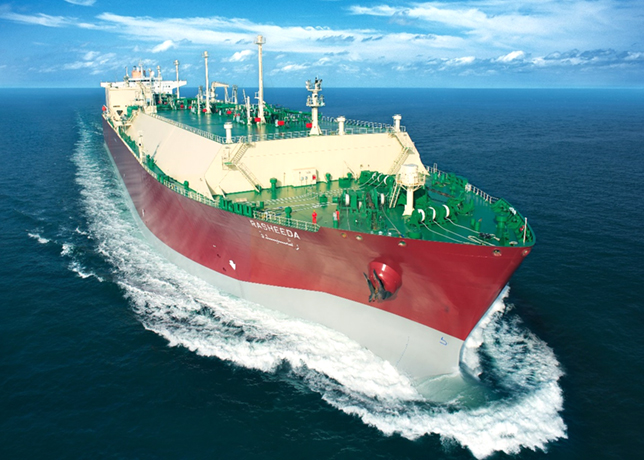
Roughly a fifth of the world’s oil and almost all of Qatar’s and the UAE’s liquefied natural gas (LNG) passes through the strait, and the fallout, according to Brussels-based think tank, Bruegel, pushed oil prices up by about 8 per cent, and European gas by roughly 20 per cent.
One of the hardest hit sectors has been heavy industry.
From oil and gas to metals and mining, operators still generate process heat by burning natural gas or other fossil fuels.
The spike in gas prices feeds directly into the cost of running a plant.
This vulnerability to gas price uncertainty also deepens the trilemma that has been imposed on the sector: How to secure process heat that is simultaneously affordable, reliable and low carbon.
But for those in the sunniest parts of the world, there may now be a better answer.

Rod MacGregor
THE TRILEMMA, DEFINED
Industrial heat accounts for a massive 20 per cent of global energy demand, and is among the largest sources of industrial emissions, releasing roughly 10 gigatonnes (Gt) of CO2 annually.
Our market analyses tell us that close to $1.2 trillion a year is spent on fuel to produce heat for industrial processes, and it is also among the hardest source of emissions to abate because the heat is derived overwhelmingly from combustion that cannot be cleaned up downstream.
For decades, the economics forced heavy industries to settle for one or, at a push, two of the three priorities: Cheaper energy, reliable supply or lower emissions. The World Energy Council tracks this annually in its World Energy Trilemma Index.
In the Gulf, gas is cheap and dependable because it is abundant, runs on existing infrastructure, and burns on demand, but combustion keeps emissions high.
Though as the Hormuz disruption has shown, even its affordability rests on prices that can swing overnight.
The electricity route, if sourced from renewables, is cleaner as it cuts emissions, but runs on power that costs several times more than gas per unit of energy, and reliability varies with sun, wind and grid capacity.
The industry’s choices were to either select the fuel that solves cost and security but creates emissions, or the renewable electric routes that lower emissions, but raise costs and weaken reliability.
Today, though, national strategies and leading operators across the GCC expect cost, security and lower emissions without compromise.
‘Pick two’ no longer satisfies either industry or government.
SAUDI ARABIA’S ADVANTAGE
This is where the Kingdom has an edge.
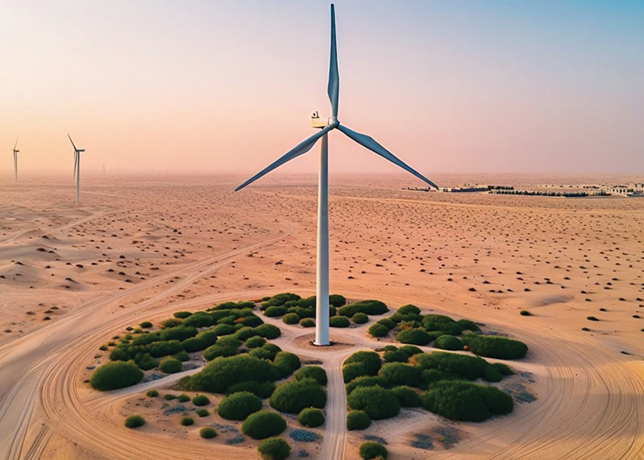
Hydrocarbons have long been Saudi Arabia’s strength in terms of energy, but it also has the added advantage of sunlight and open land in abundance.
Consider how solar power has flourished from the Kingdom’s sunlight and open land.
Saudi Arabia has awarded some of the cheapest solar power ever recorded, with schemes such as the 1,500 megawatt (MW) Sudair plant priced at a little over a cent per kilowatt-hour (kWh).
The National Renewable Energy Programme also has a 130 gigawatt (GW) renewables target for 2030 with more than 43 GW already contracted, and over 12 GW in operation, showing that capacity is being built rapidly.
But, while concentrated solar power (CSP) for electricity is well established, concentrated solar thermal (CST) for heat remains relatively untapped comparatively.
CST captures sunlight to generate steam directly, without having to first turn it into electricity, and it produces five to six times more thermal energy per unit of land compared to utility-scale photovoltaics.
Our project economics show that, applied to industrial heat, direct solar steam can be delivered at around $44 per MWh on fixed 20-year terms, with no fuel bill attached.
Affordable, secure and low carbon all at once, this is also deliverable at the gigawatt scale heavy industry demands.
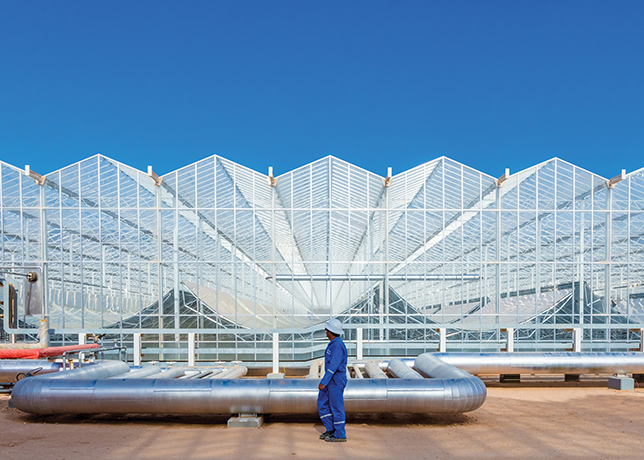
The Miraah Solar Thermal Project
NO ELECTRICITY, NO MIDDLEMAN
Electrification has been the default alternative narrative for cleaner industrial heat, with electric boilers, green hydrogen and thermal batteries all relying on electricity as the intermediary.
However, electricity has an expensive ‘middleman’.
Grid electricity has historically cost three to five times more than gas per unit of energy, and taxes and network charges alone can account for up to half its price.
So even when solar-powered electricity is at record-low prices, converting sunlight into power only to turn it back into heat creates superfluous steps that a sun-rich country does not need.
The price plunge is compelling too. An electric boiler using grid electricity would cost roughly $135 per MWh, whereas CST can deliver for $44 per MWh.
Direct solar steam, paired with molten salt storage that carries heat through the night, offers continuous supply at a scale that electric alternatives have not approached.
There is evidence to support this.
A recent peer-reviewed study found that in regions with strong solar resources, CST can cut energy costs and carbon emissions at the same time, overturning the assumption that cleaner heat must cost more.
At a gas price of around $50 per MWh, the report found that solar thermal could economically supply more than 50 per cent of industrial heat demand in parts of the world below 45 degrees latitude.
This number rises to about 90 per cent in Saudi Arabia because of the strength of its sunlight.
In several countries modelled, including the Kingdom, replacing gas with solar heat produced a negative cost of carbon abatement, saving between $120 and $180 per tonne.
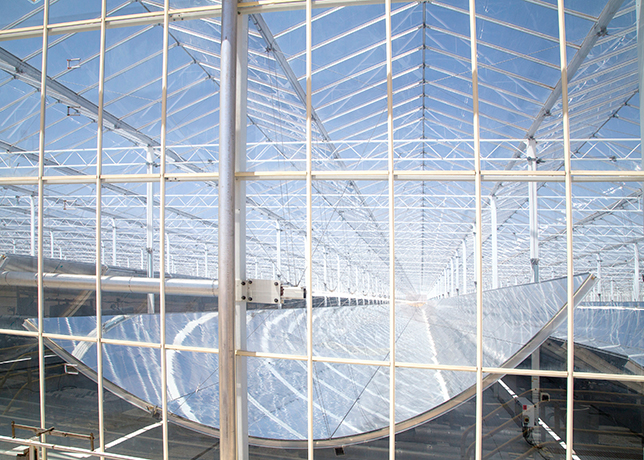
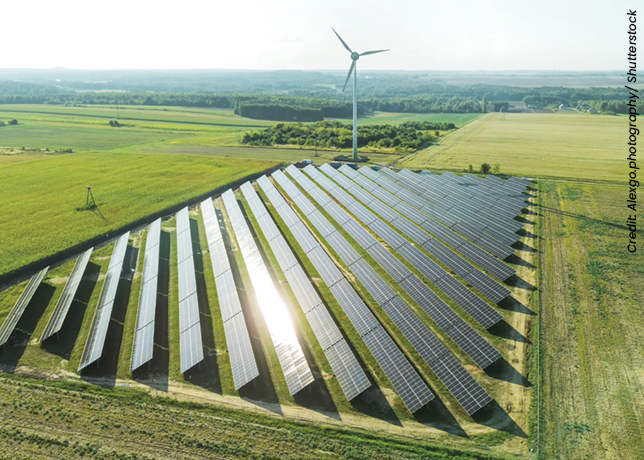
Solar thermal systems use large mirrors to focus sunlight onto pipes containing water
PROOF AT SCALE
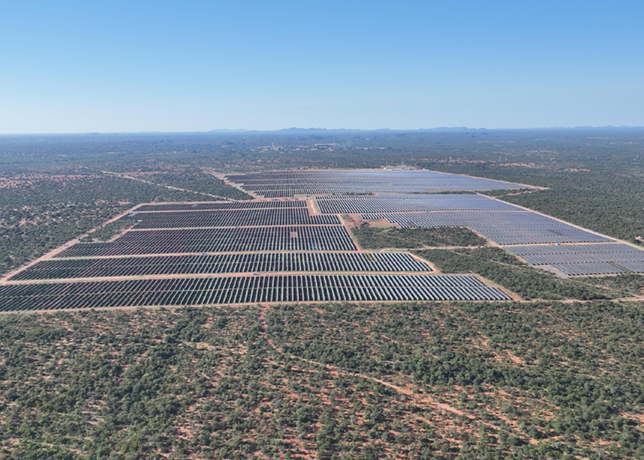
Saudi Arabia is already seeing this solution work at scale. Ma’aden Solar 1 at Ras Al Khair is being built to deliver 500 MW of thermal output, making it the largest solar process heat project in the world.
Comparable electrified heat projects typically deliver around 7 MW, with the largest deployed peer project at roughly 50 MW.
It is also proven to be dependable infrastructure.
The Miraah plant we worked on in neighbouring Oman, for example, has been running at 330 MW since 2017, producing around 2,000 tonnes of steam a day, even through sandstorms and extreme weather events.
THE PAYOFF
Under Vision 2030, Saudi Arabia is targeting 36,000 factories by 2035 and $150 billion in industrial exports by 2030.
Cheaper and steadier heat supply will make the industry more competitive, while easing its toll on domestic gas.
Every unit of gas not used for steam can be dedicated to higher value uses such as power generation or desalination.
There is also a trade dimension.
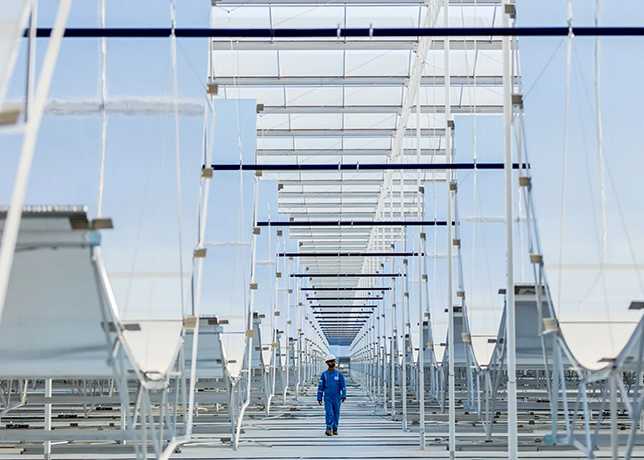
Solar steam production today reduce emissions by up to 80 per cent
At the start of 2026, the European Union (EU) announced that it is phasing in a charge on importers for the carbon embedded in goods, under the EU’s Carbon Border Adjustment Mechanism (CABM), with certificates priced at approximately €75 per tonne of CO2, creating unwanted exposure for Gulf exporters.
As steam from sunlight lowers the carbon carried in those exports, CST protects Saudi exporters’ access to European markets as well.
For decades, industry treated the trilemma as a fact of life.
Affordable, reliable and low-carbon heat were never available simultaneously, so operators chose the one or two they could abide by and paid for the third.
However, the trade-off hinges on the fuel that is being used.
In the Kingdom, that ‘fuel’ is abundant, free at source, and immune to disruption.
If the master key to industrial heat has been sunlight and land all along, no country is better placed to leverage it than Saudi Arabia.