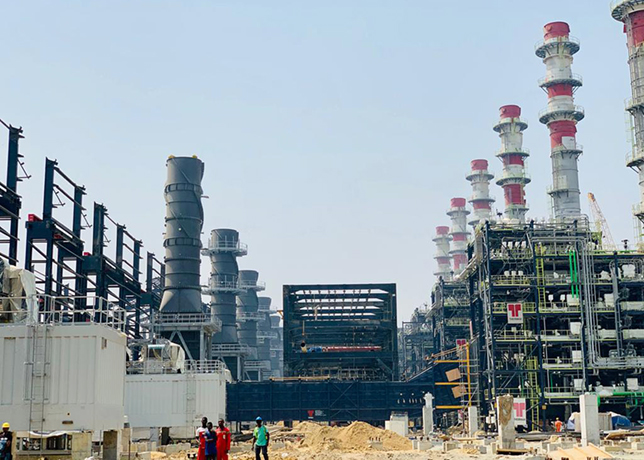













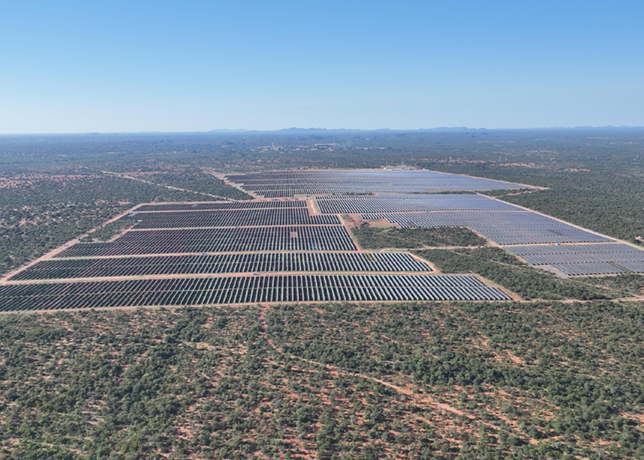



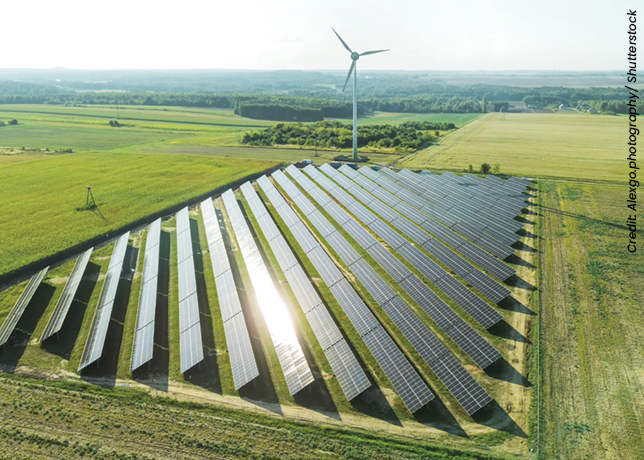















Sub-Saharan Africa added a record 11.3 gigawatts (GW) of renewable capacity in 2025, led by major project completions in Ethiopia, South Africa, and Egypt, settling any remaining debate over the technical viability of low-cost clean power.
Yet with more than 600 million people still lacking access to electricity, energy analysts warn that generation capacity alone will fail to anchor industrial growth unless the continent aggressively resolves its severe transmission and system integration bottlenecks.
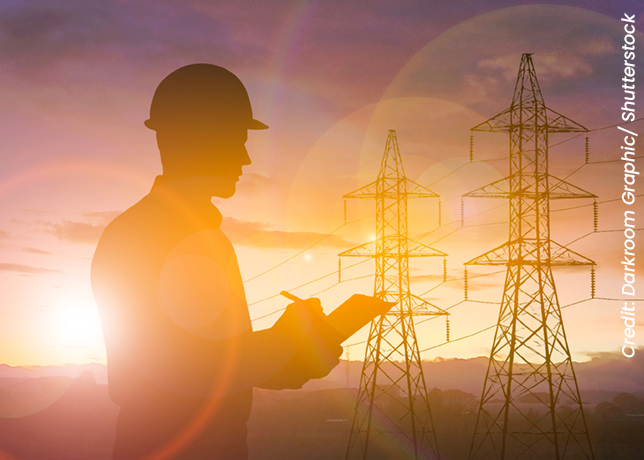
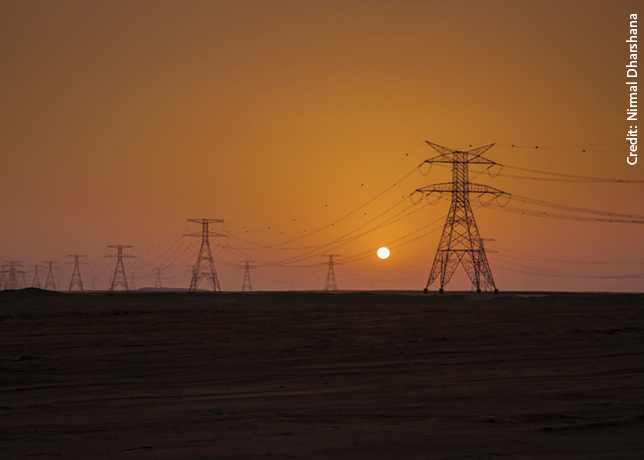
The binding constraint across African power markets has shifted decisively from power generation to grid infrastructure.
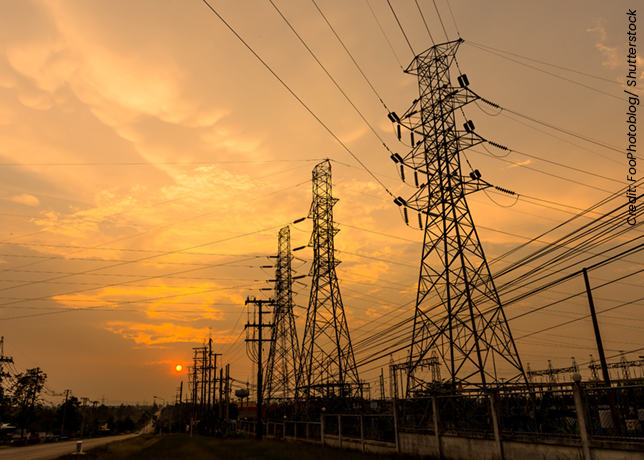
Falling costs for solar technology and storage have exposed deep structural vulnerabilities in legacy networks, which remain incapable of absorbing variable renewable loads or wheeling electricity to major industrial hubs.
To prevent heavy curtailment and ensure reliable supply, benchmarks established by the Africa Clean Energy Corridor indicate that the continent requires $40 billion in annual capital through 2030, split between $25 billion for generation and $15 billion explicitly targeted at grid expansion and high-voltage interconnections.
Without dedicated transmission investment, newly commissioned generation assets risk sitting idle while commercial users remain reliant on expensive, high-emission diesel generators.
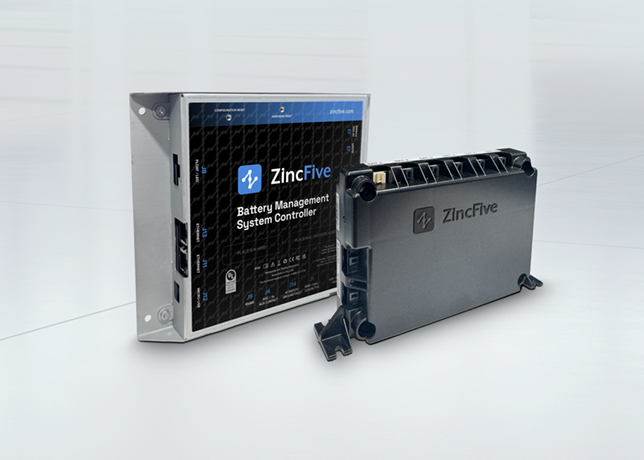
As weak networks struggle with frequency instability, battery energy storage systems are being reclassified from secondary balancing tools to critical national infrastructure.
Developers are increasingly deploying grid-scale battery systems to steady frequency, mitigate curtailment, and replace emergency thermal power.