

































As the global energy landscape navigates mounting geopolitical shifts, rapid industrialisation, and surging power demands from artificial intelligence (AI), industry leaders are shifting their focus firmly from long-term ambitions to practical implementation.
This year’s ADIPEC being held from November 2-5, and organised by dmg events, highlights a critical paradigm where conventional resources and emerging technologies must work in tandem to secure reliable economic growth while accelerating decarbonisation pathways across international markets.
To bridge the gap between current energy systems and future requirements, stakeholders are confronting complex challenges surrounding supply chain resilience, capital investment, and infrastructure modernisation.
In an exclusive interview with OGN energy magazine, Thomas Loffler, Executive Vice-President, dmg events, says: “The central message behind ADIPEC 2026 is simple: energy security is economic stability.”
Beyond traditional production frameworks, the conference highlights how emerging technologies and expanded international participation are redefining industry standards.
By fostering cross-sector partnerships between policymakers, investors, and engineers, the platform aims to unlock actionable solutions that strengthen energy networks and support long-term economic prosperity worldwide.
Below are excerpts from the interview:
How have dmg events and ADIPEC responded to the regional tensions in the organisation of the event?
Recent events have been a reminder of how interconnected energy, economic growth and geopolitics have become.
They have also reinforced the importance of platforms where industry leaders, policymakers and investors can come together, exchange perspectives and build the partnerships needed to navigate uncertainty.
As preparations for ADIPEC 2026 continue, our priority remains delivering a safe, productive and professional environment for participants from around the world.
We have also evolved this year’s conference agenda to reflect the issues now at the forefront of industry discussions, including energy security, infrastructure resilience, supply chain reliability and investment.
The past year has highlighted the growing gap between the energy system we have today and the one we’ll need in the future.
ADIPEC provides a platform for the conversations and collaborations required to build more resilient, reliable and adaptable energy systems while supporting long-term economic growth.
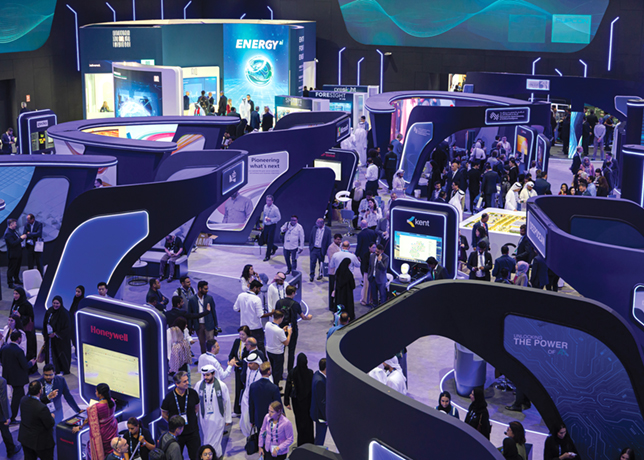
The expanded AI Zone will showcase real-world applications of AI across the energy value chain
What is the central theme shaping ADIPEC 2026?
The central message behind ADIPEC 2026 is simple: Energy security is economic stability.
Around the world, the demand for energy is growing, supply chains are evolving, geopolitical uncertainty remains a factor and new technologies, such as AI, are changing the way energy is produced, distributed and consumed.
Together, these shifts are placing new demands on systems that were designed for a very different era.
Reliable energy underpins everything from industrial growth and manufacturing to digital infrastructure and economic competitiveness.
At the same time, countries are pursuing different pathways to reduce emissions and build more sustainable energy systems.
The challenge is not choosing between today’s energy needs and tomorrow’s ambitions; it is finding practical ways to advance both.
ADIPEC 2026 will focus on how industry, governments and technology leaders can work together to strengthen energy security while investing in the infrastructure, innovation and skills that will power future growth.
Why is this conversation particularly relevant now?
We are entering a period of significant transformation for the global energy system.
Demand continues to rise across both developing and developed economies, driven by population growth, industrialisation, urbanisation and the rapid expansion of energy-intensive technologies, such as AI, data centres and advanced manufacturing.
At the same time, the way energy is produced, traded and delivered is becoming increasingly complex; supply chains are more interconnected, technology is advancing at an unprecedented pace and governments are placing greater emphasis on resilience and long-term energy security.
Meeting future demand while continuing to reduce emissions will require substantial investment, large-scale technology deployment and stronger collaboration across industries.
That’s why platforms like ADIPEC matter; they bring together decision-makers from across the energy ecosystem to focus on practical solutions, unlock investment and accelerate the partnerships needed to deliver the next generation of energy systems.
What role does the oil and gas sector continue to play in this environment?
Oil and gas remain fundamental to global energy security and economic stability.
While investment in renewable energy and emerging technologies continues to grow to meet global need for diverse sources of energy, the world still relies heavily on conventional energy resources to power industry, transportation, manufacturing and petrochemicals.
The challenge is not replacing one source of energy with another; it is ensuring that societies have access to reliable, affordable energy while continuing to lower emissions.
That is why many energy companies are expanding their focus beyond production, and they are investing in AI, digital technologies, carbon management, hydrogen, energy storage and other solutions that can improve efficiency, strengthen resilience and reduce environmental impact.
ADIPEC provides an important forum for discussing how conventional and emerging energy systems can work together as part of a more integrated and resilient energy future.
As AI becomes a major industry topic, how will AI feature at ADIPEC 2026?
AI is rapidly becoming one of the most influential technologies shaping the future of energy.
It is already helping companies optimise production, improve asset performance, strengthen maintenance programmes and support faster decision-making.
At the same time, the growth of AI itself is creating significant new energy demand through data centres, advanced computing and digital infrastructure.
That makes AI both an energy solution and an energy challenge.
It is transforming how companies operate while also increasing the need for secure, reliable and scalable energy supplies.
At ADIPEC 2026, AI will be a central theme across both the conference and exhibition.
The AI, Digital and Technology Strategic Conference will explore how organisations are moving beyond pilot projects and embedding AI into day-to-day operations, while our AI Leadership Roundtables will bring together leaders from energy, technology, policy and finance to discuss deployment, investment and governance.
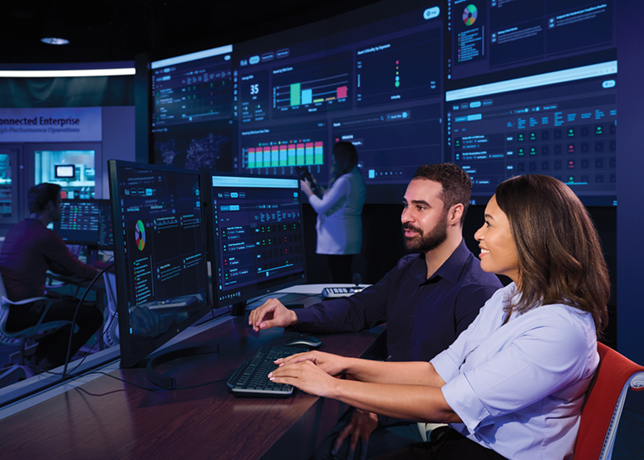
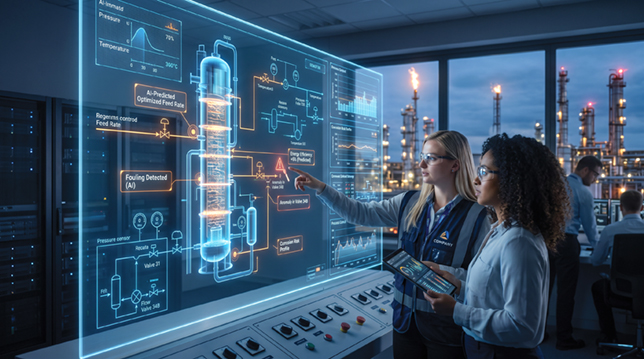
On the exhibition floor, the expanded AI Zone will showcase real-world applications of AI across the energy value chain, from predictive maintenance and automation to advanced analytics, data management and cyber resilience.
The objective is to move the conversation from potential to implementation and demonstrate how AI can deliver measurable value today.
Infrastructure investment is another priority for many energy companies. Why is it such a critical issue?
Infrastructure sits at the heart of energy security.
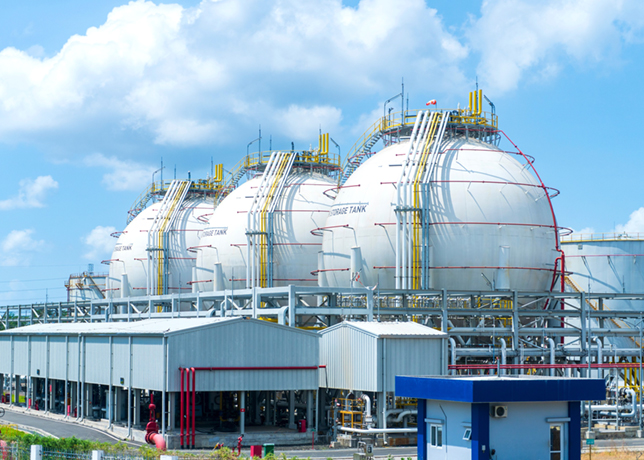
Whether it’s pipelines, export terminals, power networks, storage facilities, refineries or digital systems, infrastructure determines how reliably energy can move from source to consumer.
What makes today’s challenge different is that we’re not only building new infrastructure, we’re also modernising existing systems.
Energy networks are becoming more interconnected, more digital and more complex.
Integrating AI, advanced grid management, storage technologies and carbon management solutions requires substantial investment alongside traditional infrastructure development.
This means the conversation is no longer just about capacity. It’s about resilience, flexibility and future-readiness.
At ADIPEC, industry leaders, investors and policymakers will examine how to accelerate infrastructure deployment, unlock capital and develop the integrated energy systems needed to support long-term economic growth.
What can delegates expect from the ADIPEC Technical Conference?
The Technical Conference is where strategy meets execution.
While many discussions focus on long-term ambitions, the Technical Conference focuses on the engineering, technologies and operational expertise needed to deliver them.
By bringing together the SPE Technical Programme and the Downstream Technical Programme, ADIPEC creates a unique platform where upstream, downstream, digital and integrated value chain experts can share knowledge and solve common challenges.
Across more than 200 sessions and with over 1,100 expert speakers, delegates will explore practical solutions across areas including operational efficiency, advanced materials, digitisation, emissions reduction, AI and next-generation energy technologies.
The record number of submissions we received this year reflects both the pace of innovation across the industry and the growing importance of technical collaboration in delivering future energy systems.
What else is new at ADIPEC 2026?
ADIPEC 2026 has evolved to reflect the new realities shaping the global energy sector.
One of the biggest developments is the significant growth in participation from Asia.
As the region driving much of the world’s future energy demand, Asia is playing an increasingly influential role in energy markets, infrastructure investment and technology adoption.
This year’s event will welcome a larger presence of government leaders, national energy companies, industrial organisations and investors from across the region.
We have also expanded and refreshed the conference programme to address the issues that matter most to industry today, including AI, industrial resilience, infrastructure development, capital investment and long-term energy security.
The focus throughout is on real-world solutions and practical implementation rather than theoretical discussions.
In addition, we have reconfigured parts of the exhibition and event layout, including hosting the Opening Ceremony at an external location, to accommodate continued growth while providing a better experience for attendees and exhibitors.
How important is collaboration in addressing future energy challenges?
Collaboration has never been more important because today’s energy challenges do not exist in isolation.
The industry is navigating rising demand, shifting supply dynamics, geopolitical uncertainty, changing trade relationships and the rapid growth of technologies such as AI and large-scale data infrastructure.
Addressing these challenges requires expertise, investment and innovation from across multiple sectors.
No single company, government or technology can deliver the energy systems of the future alone.
Progress will depend on stronger partnerships between energy producers, technology companies, investors, engineering organisations, policymakers and research institutions. This is where ADIPEC plays a unique role.
By bringing together stakeholders from across the global energy ecosystem, it creates opportunities for the conversations, partnerships and investment decisions that help move projects from ambition to implementation.
Many of the collaborations that shape the future of energy begin with discussions that take place at ADIPEC.