














Rapid economic diversification, industrial growth and the exponential rise of artificial intelligence (AI) are driving unprecedented electricity demand across the GCC region.
To balance this explosive expansion with ambitious decarbonisation targets, regional utilities are deploying advanced thermal generation solutions to guarantee grid stability alongside variable renewable energy.
Mitsubishi Power is addressing these complex power system requirements by delivering fast-ramping, highly efficient gas turbine technologies that enable seamless grid integration.
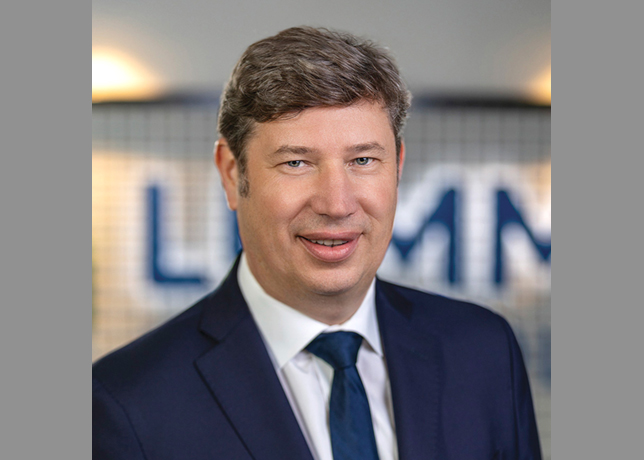
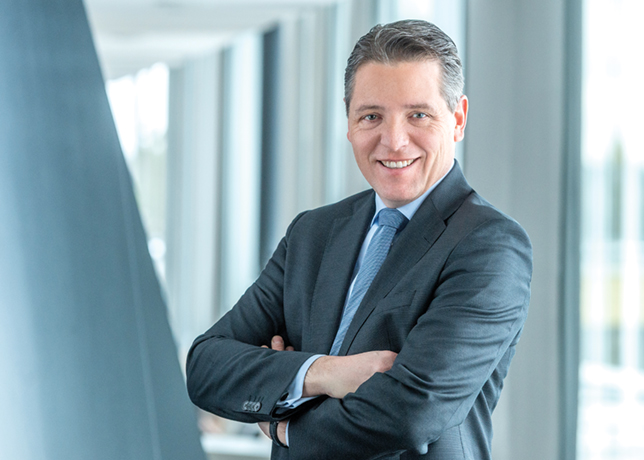
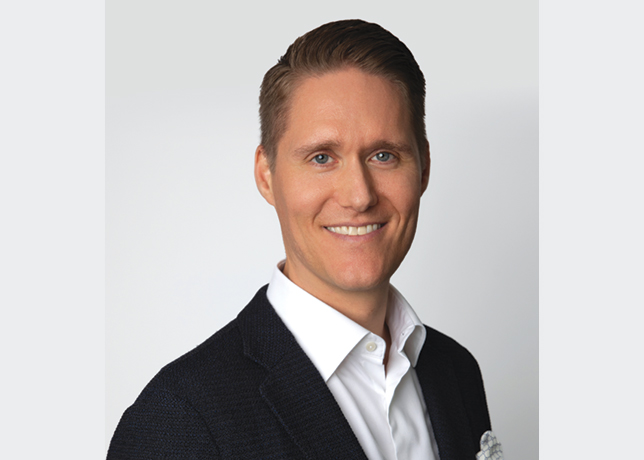
In an exclusive interview with OGN energy magazine, Dr Javier Cavada, President & CEO of Mitsubishi Power EMEA, says: “Ultimately, the UAE and the wider Gulf will need significantly more electricity to achieve their economic ambitions. The question is how that additional capacity can be built while continuing to decarbonise.”
To de-risk infrastructure investments and accelerate project deployment, the company utilises rigorous pre-testing protocols alongside local manufacturing capabilities.
Below are excerpts from the interview:
How is Mitsubishi Power supporting utilities with fuel flexible, high efficiency, fast ramping gas turbine solutions that secure stable grid capacity while enabling countries to meet their decarbonisation targets?
In the UAE and across the GCC region, AI and data centres are becoming a major new source of electricity demand and the scale and speed of that growth is really unlike anything we’ve seen before.
Globally, the IEA expects data centre electricity consumption to roughly double by 2030, with AI the biggest driver of that increase.
But data centres are part of a much broader demand story in this region.
Countries across the GCC are pursuing ambitious economic diversification plans, developing new industries and electrifying more of their economies.
At the same time, they are rapidly expanding renewable energy generation and working to decarbonise their power systems.
So, the challenge is really doing both things at once: Meeting a very significant increase in electricity demand while continuing to reduce the carbon intensity of the power system.
That is where flexible, high-efficiency thermal generation becomes increasingly important.
Mitsubishi Power’s JAC-series gas turbines combine availability of more than 99.5 per cent with combined-cycle efficiency exceeding 64 per cent.
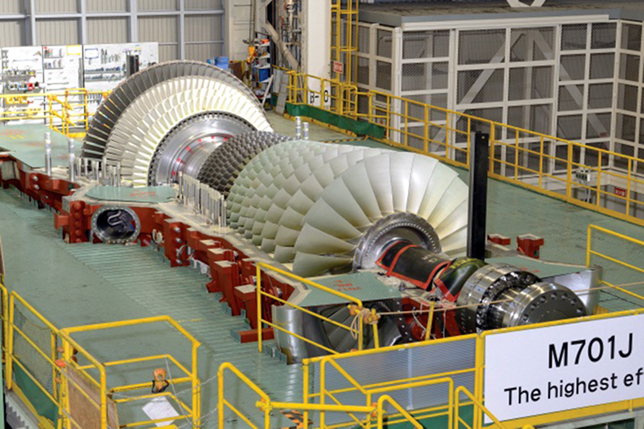
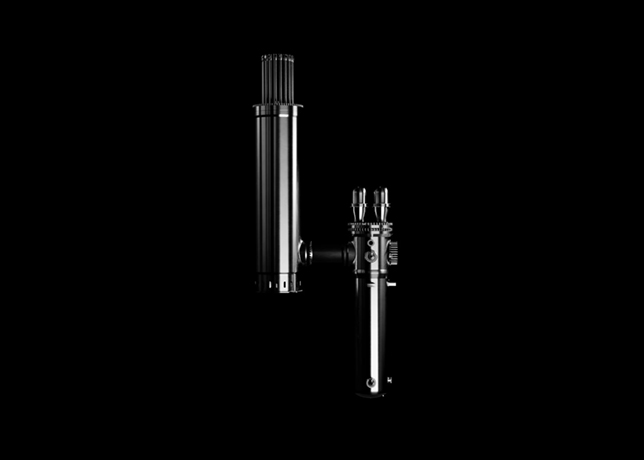
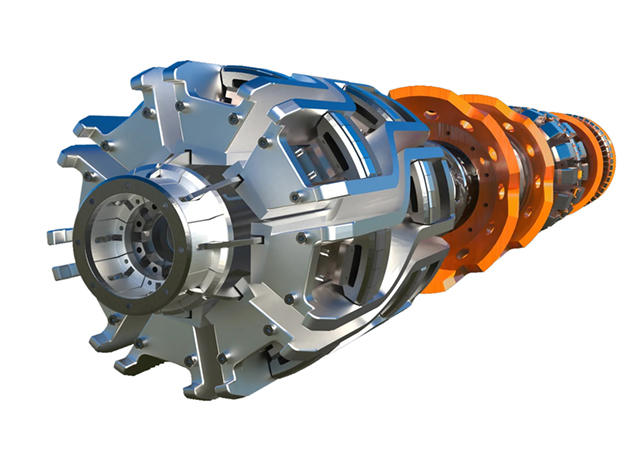
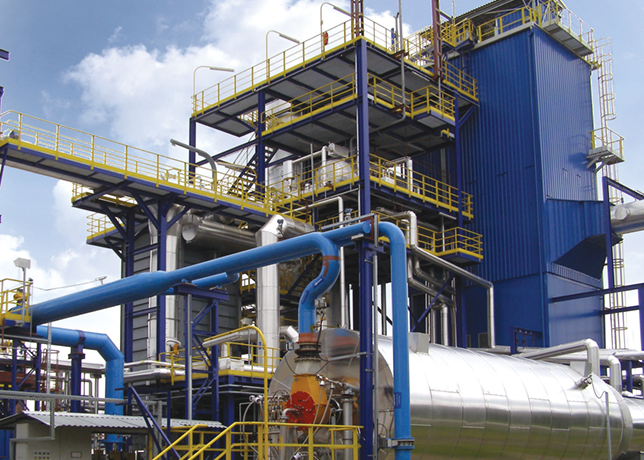
A M701JAC gas turbine ... hydrogen-ready
Their fast-ramping and load-following capabilities enable utilities to provide the reliable power needed to serve large and rapidly changing loads from AI and data centres, while adjusting output as renewable generation rises and falls.
This flexibility helps utilities meet growing demand while integrating more renewable energy without compromising grid reliability.
Importantly, this generation can continue to decarbonise over time.
Our advanced-class gas turbines are hydrogen-ready, with 50 per cent hydrogen co-firing already demonstrated and a technology roadmap toward higher blends and ultimately 100 per cent hydrogen firing by the end of this decade.
Ultimately, the UAE and the wider Gulf will need significantly more electricity to achieve their economic ambitions.
The question is how that additional capacity can be built while continuing to decarbonise.
Reliable, efficient and increasingly fuel-flexible generation therefore has an important role to play.
As solar capacity increases, how are your flexible, fast-start power generation technologies evolving to maintain grid frequency stability amidst increasing operational intermittency?
Solar is expanding extraordinarily quickly across the Middle East and North Africa.
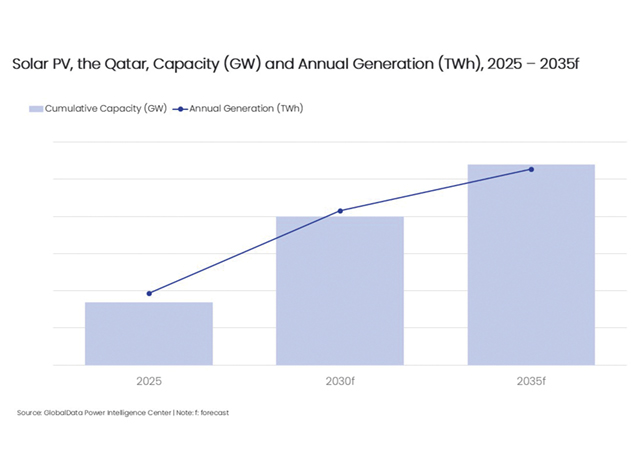
The IEA expects solar PV capacity across the region to increase tenfold by 2035, adding around 200 GW, while renewables overall rise from 6 per cent of electricity generation in 2024 to 25 per cent by 2035.
In Saudi Arabia alone, the government is targeting 130 GW of renewable capacity by 2030, up from less than 5 GW at the time of the IEA’s 2024 assessment.
The challenge increasingly becomes managing steeper ramps, greater variability and the need for other assets to respond quickly as solar output changes.
But the answer is not one technology alone.
Advanced gas turbines provide dispatchable capacity, fast ramping capability and the operational responsiveness required to balance changes in electricity supply and demand, helping grid operators maintain frequency stability and overall system reliability.
Battery energy storage systems will increasingly provide fast frequency response and short-duration balancing, while stronger transmission networks, digital grid management and flexible generation will address other system requirements.
Hydrogen-ready gas turbines can provide longer-duration dispatchable capacity while offering a future pathway toward lower-carbon generation as hydrogen infrastructure and fuel supplies develop.
We are moving towards a more integrated energy system in which solar, storage, transmission networks and flexible generation each perform the functions they are best suited to.
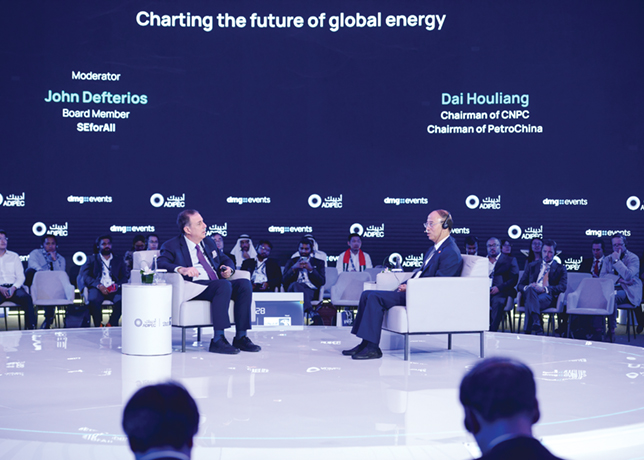
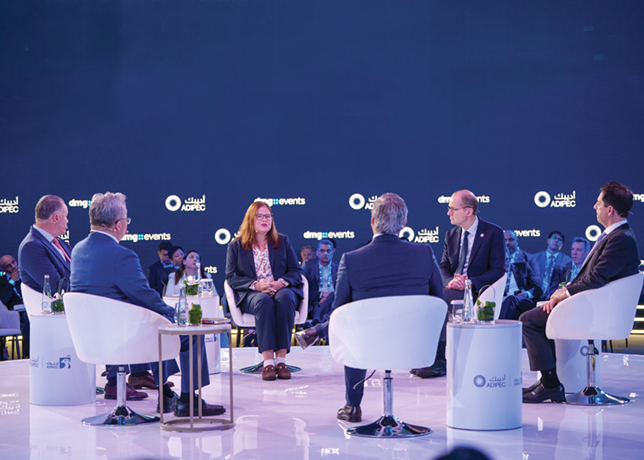
Following your participation in high-level strategic roundtable ‘The infrastructure imperative: building the foundations of energy security,’ you will discuss financing and execution risks.
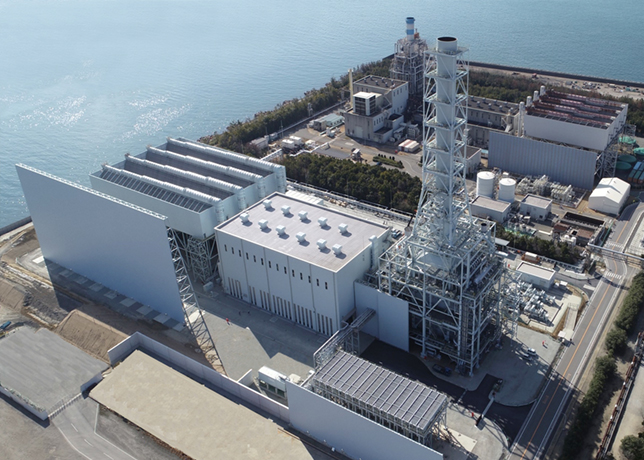
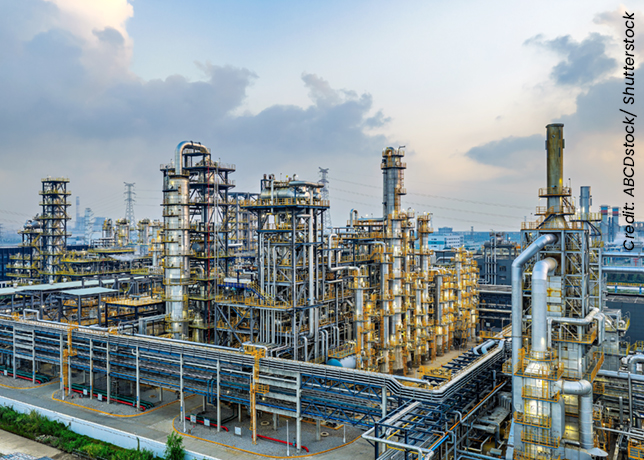
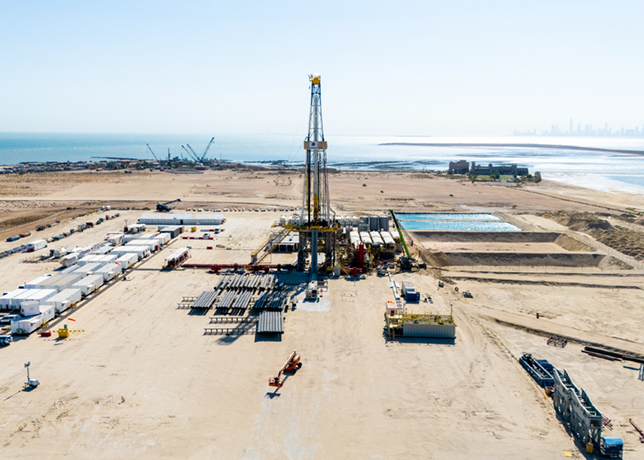
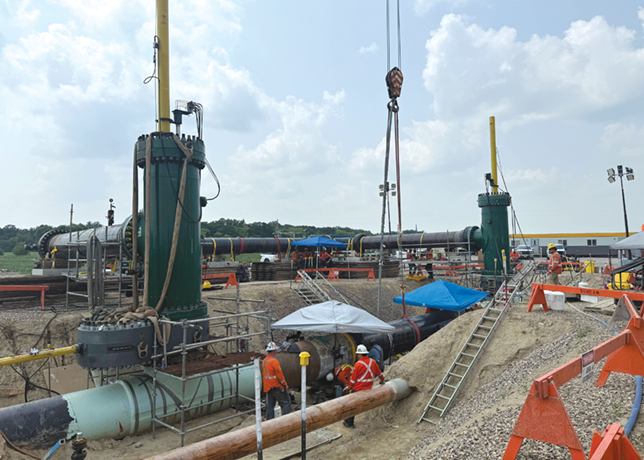
Mitsubishi Power’s T-Point 2 facility in Takasago, Japan
How does Mitsubishi Power help regional partners de-risk these massive infrastructure investments, so they move faster from paper to actual operation?
For major energy infrastructure projects, de-risking technology is about much more than proving that the equipment works.
Investors, utilities and governments need confidence that it can be manufactured and delivered on schedule, integrated successfully into the project and perform reliably over decades of operation.
Early engagement allows equipment requirements, manufacturing schedules, project timelines and lifecycle service needs to be aligned well in advance.
This has become increasingly important as strong global demand for advanced gas turbines places pressure on manufacturing capacity and specialised components.
At our grid-connected T-Point 2 facility in Takasago, new and modified gas turbine designs are operated under load for at least 8,000 hours before wider deployment.
That is equivalent to nearly a full year of operation and represents a widely recognised industry benchmark for validating reliability and performance.
It provides customers with greater confidence in the durability and operational readiness of the technology before deployment.
Long-term service agreements, local engineering capabilities and regional service infrastructure further reduce operational risk throughout the life of the asset by providing greater predictability around maintenance, availability and performance.
How is Mitsubishi Power adapting the operational flexibility and efficiency of heavy-duty turbines like the M701JAC to support highly dynamic, electricity-driven grid profiles?
Desalination remains a really important part of the GCC’s energy demand profile.
However, the challenges it presents to the power system are increasingly aligned with broader trends we’re seeing across the region: Rapid demand growth, a growing need for operational flexibility and an unwavering requirement for reliability.
Utilities need generation assets that can respond dynamically to changing electricity demand while maintaining high efficiency, system stability and security of supply.
Qatar’s Facility E is a good example of these evolving requirements.
The project will add 2.4 GW of generation capacity, equivalent to around 20 per cent of Qatar’s electricity generation capacity, while supporting the production of 495,000 tonnes of desalinated water per day.
Mitsubishi Power will supply four hydrogen-ready M701JAC gas turbines, marking the first deployment of JAC technology in Qatar.
For the turbine, operational flexibility becomes increasingly important.
The M701JAC combines high efficiency with fast response and load-following capability, enabling operators to adjust output as electricity demand changes.
That is particularly important in GCC markets, where demand remains high and is becoming increasingly dynamic, while expectations for reliability remain uncompromising.
Rather than thinking solely in terms of efficient baseload generation, utilities increasingly require generation assets that can do both: operate efficiently at scale when demand is high, while also responding quickly to changing system conditions.
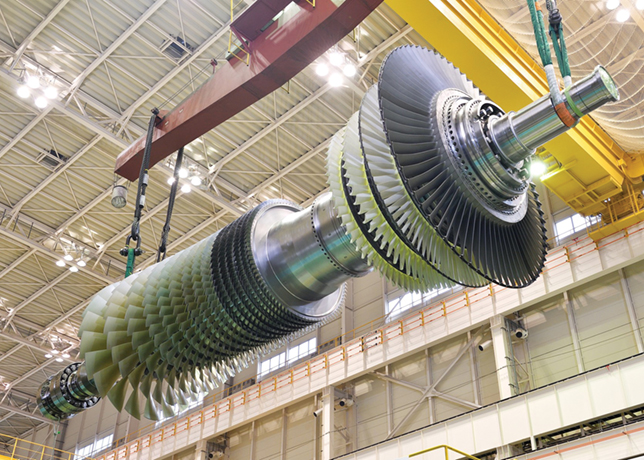
JAC-series gas turbines’ efficiency exceeds 64 per cent
How is Mitsubishi Power managing global supply chain bottlenecks and rising capital costs to ensure the timely delivery of specialised turbine equipment for critical GCC infrastructure projects?
Our priority is to provide customers as much certainty and visibility as possible.
We are strengthening production planning, continuously improving manufacturing efficiency, expanding capacity where necessary and working closely with suppliers.
At the same time, early engagement with customers allows us to understand project schedules and component requirements much earlier in the development cycle.
Localisation is also becoming an increasingly important part of that equation in the Gulf.
Our Dammam factory in Saudi Arabia is the third in the world to have the operational capability to assemble the most efficient machine in the market, the advanced JAC gas turbine.
Additionally, our state-of-the-art facilities across the Kingdom and in the UAE provide localised repair and service capabilities.
Additionally, retrofit, maintenance and life-extension programmes form another important part of the solution.
Where do you see the most critical gap between current policy frameworks and the actual deployment timelines of international equipment manufacturers when trying to fast-track large-scale energy security projects?
Across the GCC, national energy and economic strategies are extremely ambitious and increasingly well defined.
The challenge is translating those ambitions into coordinated execution across the entire energy ecosystem at a time of rapid electrification and unprecedented growth in power demand.
Grid infrastructure, permitting, financing, fuel availability, supply chains and long-term operating requirements all need to advance in a broadly coordinated manner.
For international equipment manufacturers like Mitsubishi Power, early visibility of the project pipeline is particularly important.
Earlier investment decisions and greater certainty around project pipelines enable manufacturers, suppliers and EPC partners to plan capacity, procurement and delivery schedules more effectively.
This is where policy and execution need to connect.
Clear, durable regulatory frameworks and realistic project schedules provide investors and technology providers with the confidence and visibility required to make long-term commitments.