






















Alfa Laval is deploying high-efficiency heat recovery and compact plate exchanger technologies across Middle Eastern energy facilities to minimise energy penalties, eliminate process bottlenecks, and optimise solvent regeneration within mega-scale carbon capture hubs.
By integrating advanced thermal management across refinery retrofits, electrolyser cooling loops, and green ammonia synthesis systems, the company is enabling regional producers to achieve rapid Scope 1 reductions while meeting stringent global decarbonisation benchmarks.
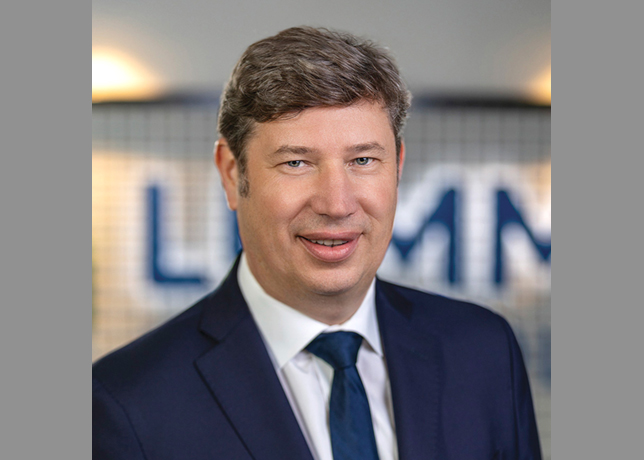
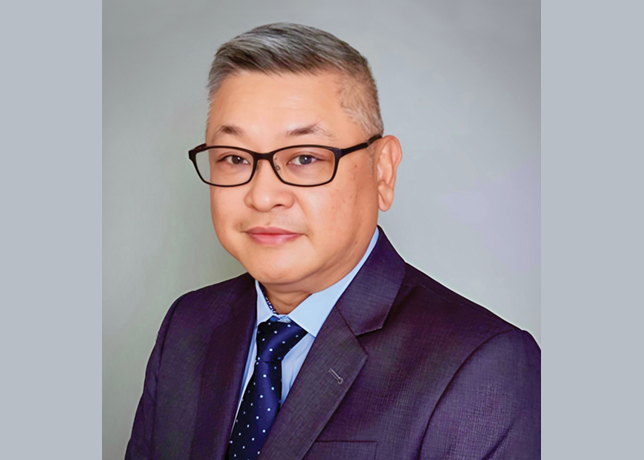
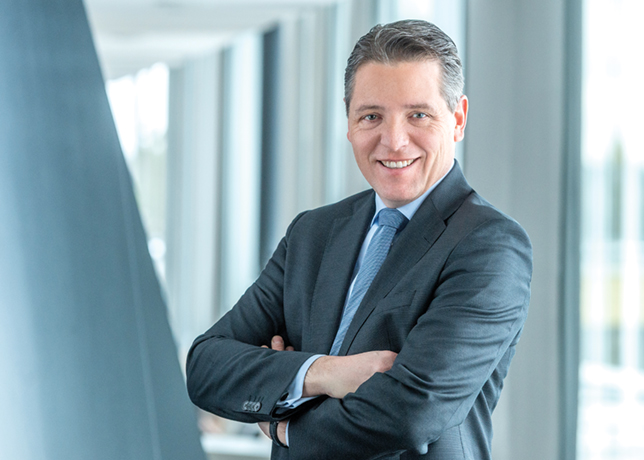
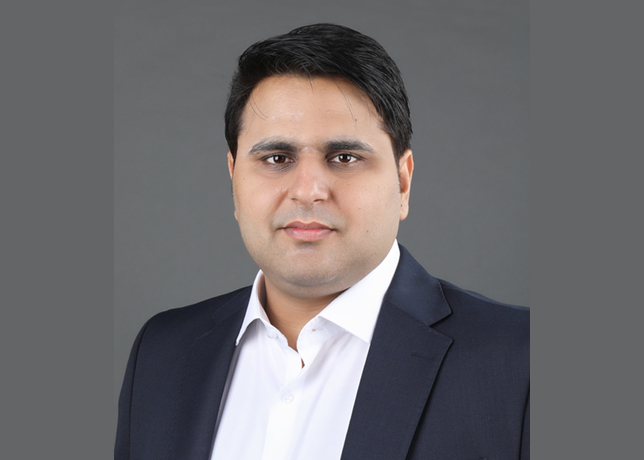
In an exclusive interview with OGN energy magazine, Alban Hohmann-Schauly as Vice President, Energy Division for Alfa Laval Middle East, South and East Africa (MESEA), says: “At Alfa Laval, we help reduce the energy penalty of solvent regeneration by maximising heat recovery within the solvent loop.”
He adds that combining high-efficiency heat recovery with local assembly capabilities strengthens asset lifecycle support across the region.
Below are excerpts from the interview:
Given that operational energy efficiency represents the fastest route to Scope 1 reductions, what proven pay-back periods can regional refinery operators anticipate when retrofitting legacy process units with your compact exchangers?
There is no single payback period because the economics depend on the duty, energy prices, operating hours, process configuration and condition of the existing equipment.
But Alfa Laval has demonstrated paybacks ranging from months to less than a year in relevant industrial applications.
In one refinery case, replacing a shell-and-tube exchanger with a Compabloc in a crude distillation unit delivered an expected 9.2 per cent reduction in energy use, reduced CO2 emissions by around 8,000 tonnes per year and achieved a payback period of less than one year.
In another Alfa Laval service case, modifying an existing plate heat exchanger to compensate for changing crude properties eliminated the need for preheating burners.
The investment paid back in less than three months.
So rather than promising a standard return, our approach is to assess each existing process and quantify the energy, emissions and maintenance opportunity before recommending a retrofit.
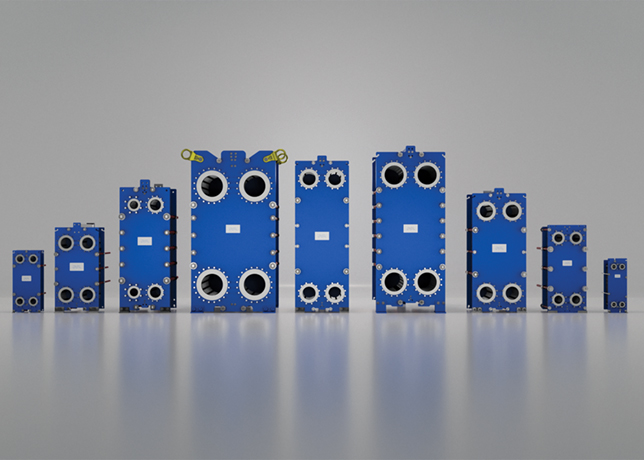
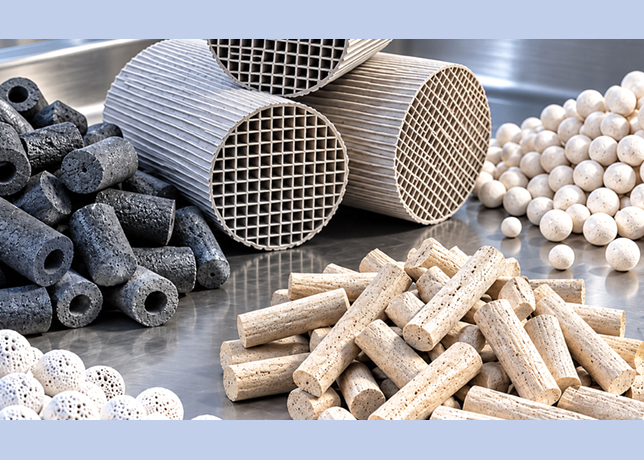
A range of semi-welded and gasketed heat exchangers
How does Alfa Laval intend to assist Middle Eastern operators in mitigating the excessive parasitic energy penalty incurred during solvent regeneration in mega-scale CCUS hubs?
At Alfa Laval, we help reduce the energy penalty of solvent regeneration by maximising heat recovery within the solvent loop.
Using our fully welded Compabloc technology, we can achieve very close temperature approaches in lean-rich solvent heat exchange, significantly reducing reboiler steam demand.
The compact design also provides lower solvent hold-up and shorter residence times, which helps minimise thermal degradation of the solvent and can contribute to lower solvent makeup requirements.
For large CCUS hubs in the Middle East, this combination of efficient heat recovery, reduced steam consumption, and improved solvent management can play a major role in improving overall capture economics and energy efficiency.
Following your supply contract with Saipem for large-scale carbon capture technology, what specific thermodynamic efficiency gains can regional energy producers expect when deploying your plate heat exchangers over traditional shell-and-tube designs?
By leveraging Alfa Laval’s high-efficiency plate heat exchanger technology, operators can achieve closer temperature approaches, higher heat transfer coefficients, and lower exergy losses than conventional shell-and-tube designs.
This enables the recovery of valuable low-grade heat, reduces steam and utility consumption, and improves overall process integration across the capture cycle.
The result is a lower cost of CO2 capture, higher energy efficiency, and a more sustainable operation.
The Saipem project is a strong example of how Alfa Laval’s advanced heat transfer technology unlocks maximum heat recovery and enhances the economics of large-scale carbon capture facilities.
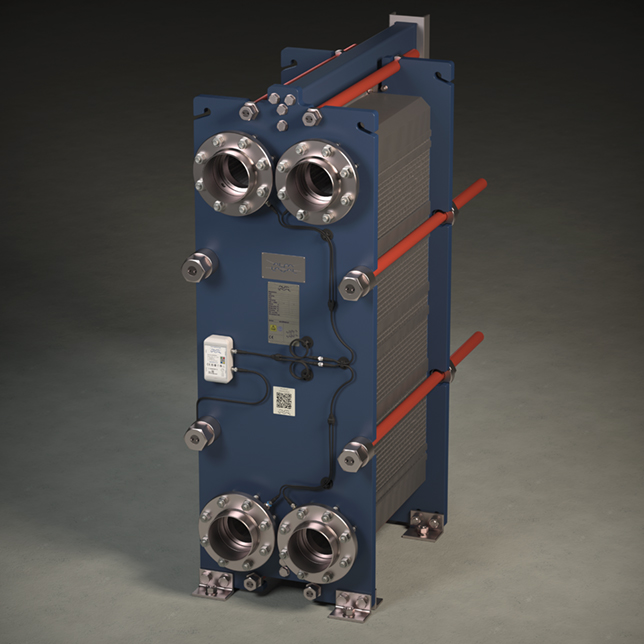
The Smart Heat Exchanger
How are your heat transfer solutions enabling Middle Eastern hydrogen exporters to achieve the thermal efficiency required to comply with strict European Carbon Border Adjustment Mechanism (CABM) standards?
As Middle Eastern hydrogen producers target export markets where carbon intensity is increasingly scrutinised, maximising energy efficiency is critical.
Alfa Laval supports this through advanced thermal management solutions across the hydrogen value chain, particularly in electrolyser cooling and heat recovery.
Our compact plate heat exchangers deliver high thermal effectiveness, enabling tighter temperature control, improved heat recovery, and enhanced utilisation of process energy.
We also see significant potential in harnessing low-grade waste heat from electrolyser systems through Alfa Laval’s innovative freshwater generators, converting otherwise rejected thermal energy into valuable freshwater.
What engineering solutions is Alfa Laval applying to eliminate thermal bottlenecks in high-pressure green and blue ammonia synthesis loops across the GCC?
Alfa Laval is eliminating thermal bottlenecks in high-pressure green and blue ammonia synthesis loops through advanced heat integration.
This includes systems, such as our specialised OLMI Synloop Waste Heat Boilers (WHBs), Packinox feed-effluent interchangers, high-efficiency Compabloc heat exchangers, and semi-welded and gasketed plate heat exchanger portfolio.
By recovering reaction heat as high-pressure steam, lowering feed temperatures through improved feed-effluent exchange, and minimising exergy losses across the synthesis loop, these solutions maximise energy recovery and reduce compressor and utility demand.
The result is a higher loop efficiency, increased plant throughput, improved steam generation, and lower specific energy consumption, helping GCC producers improve both ammonia economics and decarbonisation performance.
How is Alfa Laval adapting its high-compactness heat recovery technology to withstand the extreme ambient operating conditions and high fouling rates characteristic of GCC downstream facilities?
GCC downstream facilities face a challenging combination of high ambient temperatures, demanding cooling-water conditions, and heavily fouling process streams.
Alfa Laval addresses these challenges through heat exchanger technologies specifically engineered for severe operating environments.
Alfa Laval’s gasketed plate heat exchangers can also operate at very low LMTDs, enabling closer temperature approaches and maximising heat recovery from available process streams.
While Compabloc combines fully welded construction with optimised corrugation patterns that generate high turbulence and shear stresses at the heat transfer surface, helping mitigate fouling while maintaining thermal performance.
For severe fouling duties, Spiral Heat Exchangers utilise a single-channel design that promotes a self-cleaning effect.
Combined with tailored material selection and lifecycle support, these solutions maximise uptime, sustain heat recovery efficiency, and reduce operating costs.
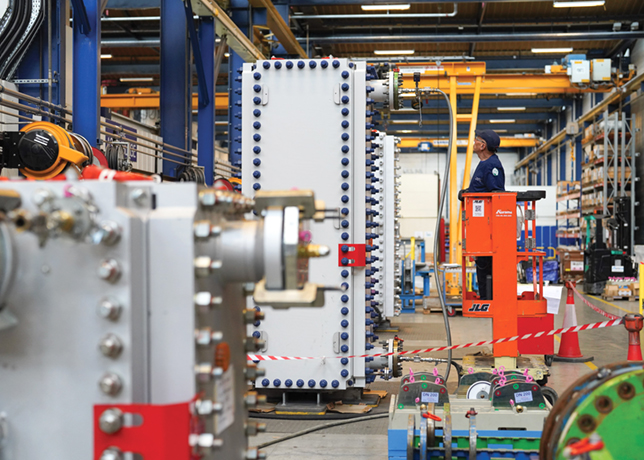
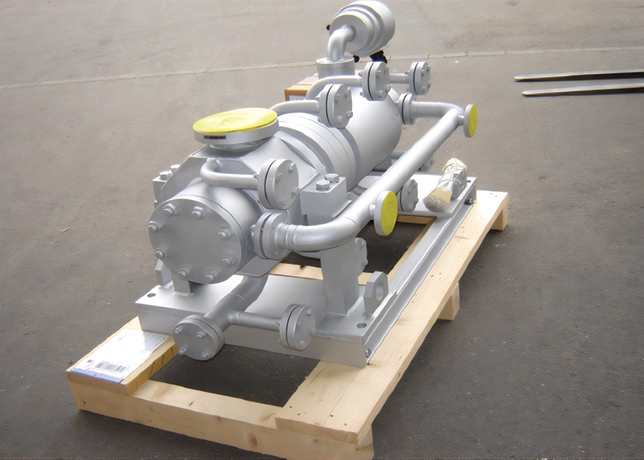
The Compabloc in production
In a region facing severe water scarcity, how do your thermal management designs minimise freshwater cooling consumption in energy-intensive industrial operations?
In water-stressed regions such as the Middle East, thermal and water efficiency must be optimised together.
Alfa Laval’s compact heat exchangers achieve high heat transfer coefficients and operate at very low LMTDs, enabling greater process-to-process heat recovery and reducing the thermal load on cooling systems.
This lowers cooling-water demand and overall utility consumption.
Beyond conventional heat recovery, Alfa Laval also sees significant potential in utilising low-grade waste heat that would otherwise be rejected to drive freshwater generation from seawater.
By converting waste thermal energy into a valuable resource, operators can improve both water security and overall plant sustainability while reducing the environmental footprint of energy-intensive operations.
How is Alfa Laval supporting energy and data infrastructure operators across the Middle East in balancing high-duty cooling demands with stringent environmental targets?
As computing density increases, cooling has become a critical component of the overall energy balance, accounting for a substantial share of data centre power consumption.
Alfa Laval addresses this challenge through advanced thermal management technologies, including compact plate heat exchangers, liquid cooling, free cooling, and heat recovery systems.
The high heat transfer coefficients and ability to operate at very low temperature approaches enable efficient heat removal with minimal energy input.
Beyond cooling, Alfa Laval sees significant potential in recovering low-grade waste heat for seawater-based freshwater generation, transforming otherwise rejected thermal energy into a valuable resource while improving both water security and the sustainability of energy-intensive infrastructure.
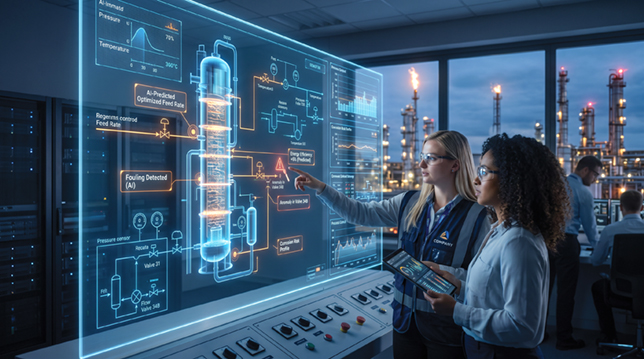
How are digital condition monitoring and predictive maintenance services being integrated into your regional service agreements to ensure zero unplanned downtime for mission-critical decarbonisation assets?
Digitalisation is transforming equipment maintenance from calendar-based schedules to condition-based decision making.
Alfa Laval’s digital services combine condition monitoring, performance analytics, and application expertise to provide real-time visibility into the health of critical heat transfer equipment.
For plate heat exchangers, continuous monitoring can detect changes in thermal and hydraulic performance, fouling, and other early indicators of degradation.
This enables operators to optimise maintenance intervals, improve energy efficiency, extend asset life, and reduce unplanned downtime.
By combining digital tools with Alfa Laval’s engineering and service expertise, customers can maximise equipment availability, reliability, and performance throughout the asset lifecycle.
With regional national oil companies (NOCs) prioritising in-Kingdom total value add (iktva) and In-Country Value programmes, what concrete steps is Alfa Laval taking to expand its local manufacturing and service footprint within the GCC?
Saudi Arabia is a strategically important market for Alfa Laval, and localisation is a key part of how we support customers across the GCC.
Through our Made in Saudi initiative and local assembly capabilities, we are bringing manufacturing, engineering expertise, and service support closer to the market, enabling faster response times and greater local value creation while maintaining Alfa Laval’s global quality standards.
We continue to invest in local talent, technical capabilities, and lifecycle services to strengthen our regional footprint.
By combining global technology with local execution, Alfa Laval supports customers throughout the asset lifecycle while contributing to iktva objectives and the Kingdom’s industrial localisation ambitions.