





















The high-stakes and high-intensity working environment of the UAE’s oil and gas sector places a unique challenge on the region’s workforce, extending far beyond traditional health and safety.
Long hours in extreme conditions exacerbate feelings of stress and isolation that are synonymous with the industry’s demanding workplace culture.
Recognising this, psychological safety has become an integral component of HSE practices and strategy, with peer-driven support networks and a rise in education and resources for identifying the early signs of psychological challenges.
WELLBEING IN THE UAE’S ENERGY SECTOR
Understanding the current state of wellbeing and mental health in the UAE’s energy sector and the challenges that surround it often comes down to cultural and operational factors.
Different languages, experiences, skill sets, and lifestyles all come together with a shared goal: To support the region’s energy infrastructure and objectives.
Expatriates account for about 90-95 per cent of jobs in key economic industries in the private sector, including the local energy market.
Differences in language, culture, communication style, and attitudes towards hierarchy can affect how support networks are established, mutual awareness and understanding of mental health, and how comfortable we are opening up with one another.
Additionally, the Gulf Cooperation Council (GCC) reports workplace stress levels much higher than the global average (by approximately 17 points), with the UAE featuring the highest stress rates with as much as 90 per cent of the population experiencing stress, contributing to UAE businesses losing AED3.9 billion ($1 billion) in lost productivity every year.
For an industry so reliant on an international workforce, organisations need approaches and frameworks that account for different cultures, languages, leadership expectations and experiences of speaking up.
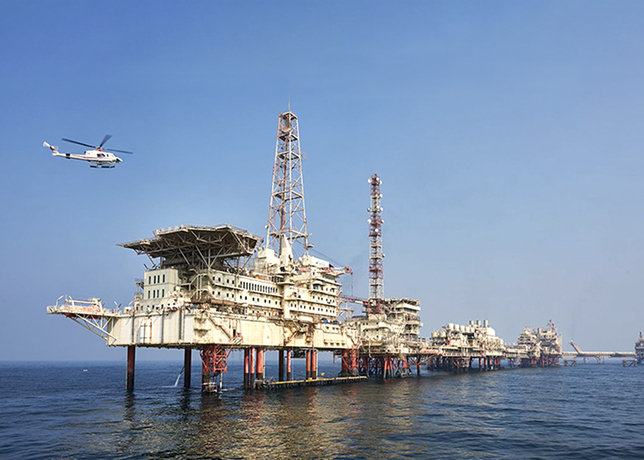
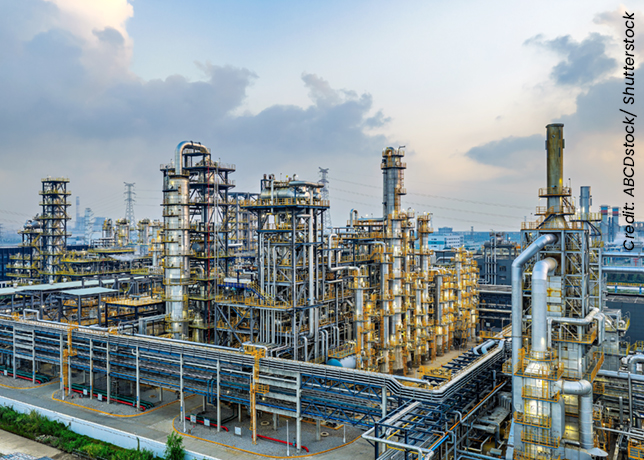
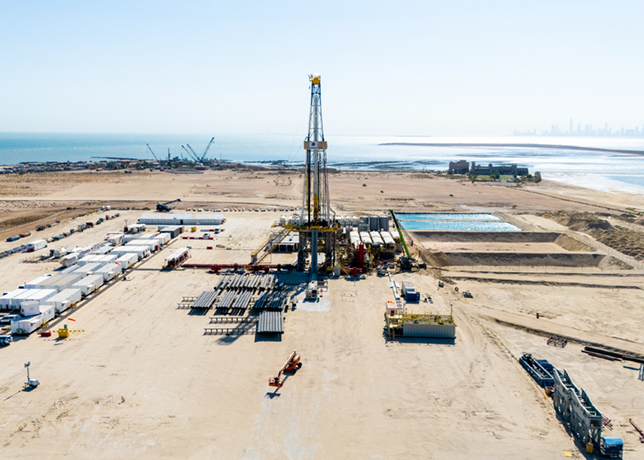
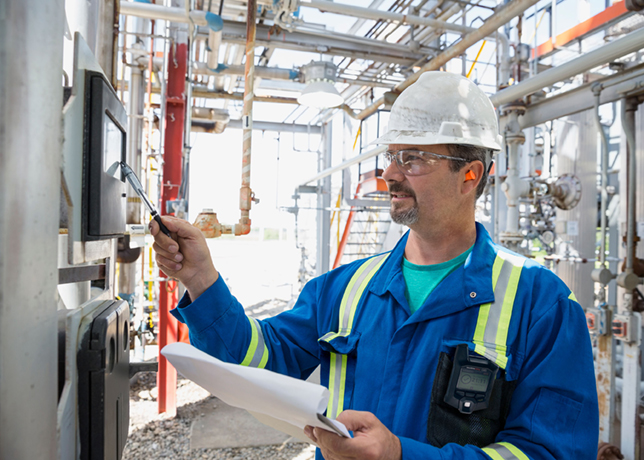
Operationally, the energy industry takes its workforce to remote and high-risk environments, working in rotational and volatile patterns where extended periods away from support networks and last-minute changes are common.
In these environments, where the pressure is on, and health and safety risks can intensify anxieties and stresses, there’s very little opportunity to step away from operational tensions.
Stress and fatigue are two of the most significant hazards, particularly where long hours, demanding schedules, disrupted sleep, and sustained operational pressure combine.
In operating environments, personnel are exposed to acute stress that is unique to the energy industry, all the while simultaneously being expected to make clear, high-consequence decisions.
When stress and fatigue build up, reduced hazard awareness, slower reaction times, impaired judgement and decision-making, increased likelihood of procedural violations, and communication breakdowns are all common risks.
Elsewhere, rotational work creates additional strain through separation from family, difficulty switching off between rotations, and the cumulative impact of repeated periods away from home.
Collectively, these challenges only highlight the need for psychological preparedness and a robust wellbeing strategy.
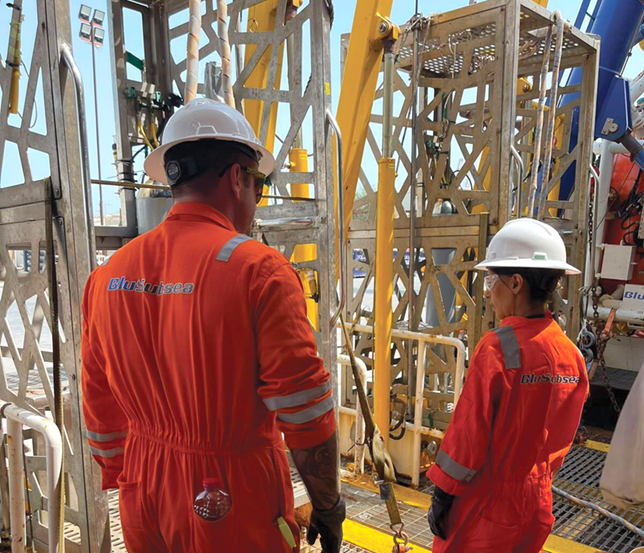
Providing critical support in remote locations
INTEGRATING WELLBEING INTO HSE & HR STRATEGY
Leaving wellbeing out of the overall HSE strategy doesn’t just impact your people; it impacts your bottom line.
Sickness absences, staff turnover, and reduced productivity attributed to stress, fatigue, burnout, depression, and anxiety cost employers billions every year.
Launched in 2024, the UAE’s National Strategy for Wellbeing 2031 aimed to platform the country as a leader in quality of life.
Included in the strategy were expectations for how employers invest in workplace wellbeing.
On paper, this is something that companies have demonstrated their willingness to adapt. But dig deeper, and the facts aren’t as promising.
Recent in-country reports found that 88 per cent of UAE employers have boosted wellbeing budgets in 2026.
While this itself suggests a positive step, the reality doesn’t quite match up.
The same report found that 67 per cent of UAE organisations rely on generic webinars as the cornerstone of their wellness strategy.
Since launching IntrospeXion’s Middle East entity in early 2026, from our base of operations in the UAE, we have been visiting operators and supply chain across the region, including offshore sites, to provide on-site mental health hubs and drop-in clinics, audits and assessments, and coaching opportunities.
Currently, our ongoing work with a major regional operator to deliver a company-wide mental health and wellbeing programme is proof of changing attitudes.
The programme aims to strengthen psychological health, leadership capability and workforce resilience across the client’s UAE operations, integrating psychological profiling, psychological risk assessments, wellbeing workshops, confidential employee support, and critical incident response amongst other services.
Wellbeing reports have found that fully embedded and effectively implemented wellbeing programmes can deliver 25 per cent increase in productivity gains in the GCC, an 11 per cent increase in revenue per employee, while IntrospeXion has reported an average ROI of 7x the cost of employing a coach.
Workforce engagement is becoming more visible through initiatives, such as confidential drop-in clinics, leadership workshops, behavioural-risk programmes and direct access to qualified psychological support.
One of the biggest risks is the gap between what an organisation believes it has communicated and what the workforce has actually understood.
The operators who get the best out of their team will be those that move beyond simply having policies written down, and instead create multiple, accessible routes for people to raise concerns and seek support before issues escalate.
Organisations are also starting to connect workforce wellbeing data with operational risk, rather than treating wellbeing as a separate HR activity.
The next evolution of HSE is not replacing existing systems, but integrating psychological risk into them so that wellbeing, behavioural risk and operational safety are managed together.
Most importantly, the strongest approach is integrated: Embedding psychological safety into existing HSE and operational systems, with leaders, supervisors and workers all understanding their role in identifying and managing psychosocial risk.
Ultimately, psychological safety should become part of the same conversation as physical safety. Operators and supply chain need to create an environment where people can perform at their best, challenge risk, and go home safely.
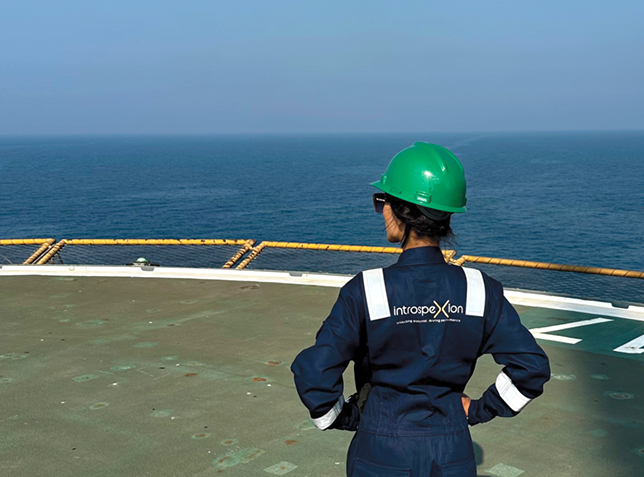
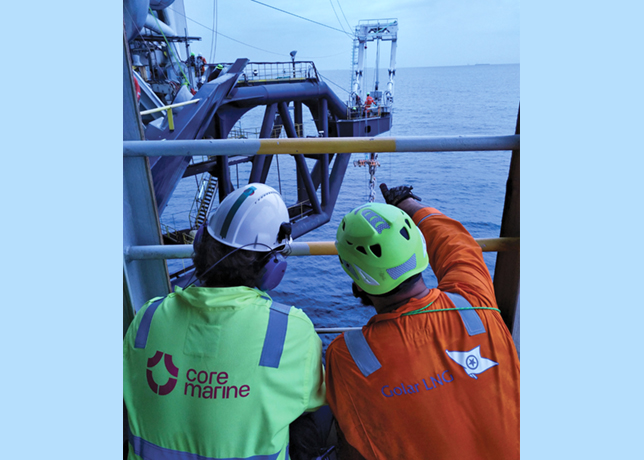
IntrospeXion travels offshore to deliver on-site support
CASE STUDY: CRITICAL INTERVENTION FOR A HIGH-RISK OFFSHORE WORKER
Without a specialised and private space for personnel to disclose concerns and anxieties when working in high-pressure and isolating offshore environments, it can be difficult understanding what is going on in someone’s head.
During a routine rotation on a major offshore installation, a staff member requested a confidential session with an IntrospeXion psychologist.
After spending time with our on-site psychologist, the individual expressed worrying signs, including feelings of hopelessness, emotional distress linked to personal and work triggers, and withdrawal from colleagues.
This was a high-risk scenario in one of the most isolated environments possible.
With limited medical resources offshore and no immediate access to care, the situation required urgent, expert intervention.
IntrospeXion’s offshore-certified psychologist conducted an immediate risk assessment, followed by a structured safety plan.
• Rapid response: The individual was seen within minutes of raising concerns, no waiting lists, no delays, no barriers.
• Clinical risk assessment: A full psychological evaluation was carried out to identify intention, means, protective factors, and immediate triggers.
• Crisis containment and emotional stabilisation: We used evidence-based techniques to de-escalate intense emotional distress and bring the individual back to a safer psychological state.
• Coordination with leadership: We worked discreetly with the OIM to ensure the worker was not left alone; their safety was continuously monitored; and the situation was handled with dignity and privacy.
• Safe repatriation: A structured and compassionate handover was coordinated with the OIM, medic and onshore duty-holder to ensure continuity of care upon return.
After consultation and once back onshore, the individual continued receiving psychological support through IntrospeXion and a trusted Employee Assistance Programme (EAP).
Within weeks, the individual reported feelings of increased stability, stronger coping strategies, and renewed confidence to return to work safely when appropriate.
High-risk psychological cases offshore are rare, but extremely serious.
In isolated environments with reduced medical capability, a mental health crisis can escalate quickly.
When an organisation cannot demonstrate adequate support for personnel at risk, the human, operational, and reputational impact can be severe.
This case highlights why having real psychologists offshore is not just beneficial, it is essential.
Clinical expertise, crisis management, and behavioural insight cannot be replicated by generic wellbeing providers.
When lives, safety and organisational integrity are on the line, a proactive wellbeing approach delivers where it matters most.