






















Zhejiang Petroleum and Chemical (ZPC) selected Lummus Technology’s CATOFIN process to construct a record-breaking 1.2 million metric tonnes per annum (mtpa) propane dehydrogenation unit, setting a new capacity benchmark for the global petrochemical industry.
The decision to displace the complex’s former technology licensor reflects growing market demand for ultra-large single-train units capable of delivering operational reliability beyond initial design specifications.
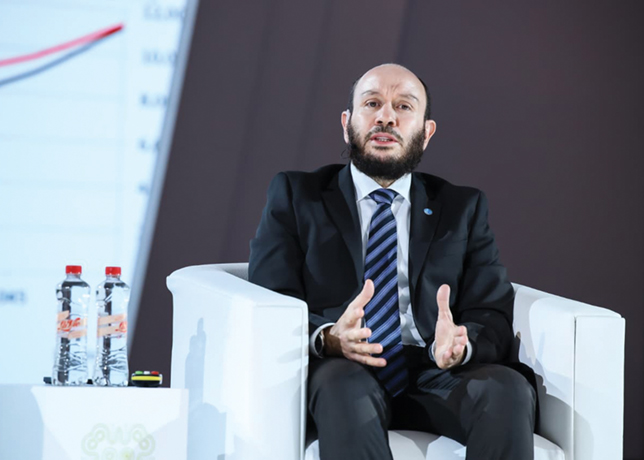
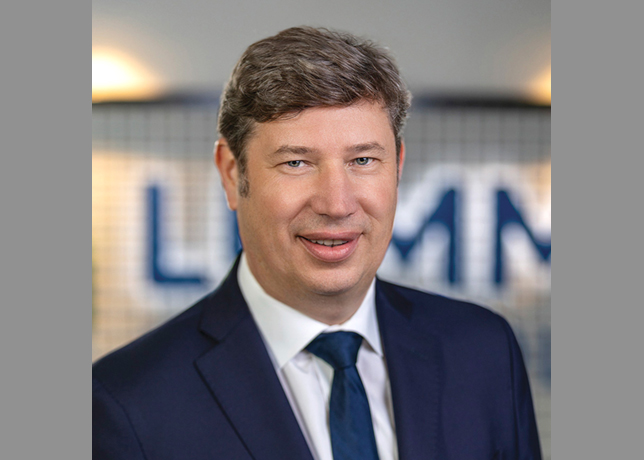
In an exclusive interview with OGN energy magazine, Romain Lemoine, Chief Business Officer, Lummus Technology, says: “Zhejiang Petroleum and Chemical’s priority was to achieve greater capacity. So, they turned to Lummus because CATOFIN is known in the market for delivering beyond nameplate capacity.”
By employing parallel reactor configurations rather than altering core vessel architecture, the facility scales throughput without introducing fluid-dynamic stresses or accelerated catalyst degradation risks.
Below are excerpts from the interview:
What specific operational performance or yield deficiencies in ZPC’s legacy PDH technology prompted them to displace their previous licensor in favour of CATOFIN for this record-breaking unit?
Zhejiang Petroleum and Chemical’s (ZPC) priority was to achieve greater capacity. So, they turned to Lummus because CATOFINTM is known in the market for delivering beyond nameplate capacity.
Although we licence for a specified capacity, our customers know from our track record that we can exceed it.
This particular ZPC propane dehydrogenation (PDH) unit will have a capacity of 1.2 million metric tonnes per annum (mtpa), which will make it the world’s largest licensed PDH unit.
Our technology is recognised for its ability to consistently meet or exceed design capacity while delivering industry-leading operational reliability.
Replacing a core process technology within an established mega-refining complex carries immense risk, so how did Lummus de-risk the integration phase for ZPC during the bidding process?
To ensure we really understood the challenges ZPC was looking to solve, we connected with them at every level, from the experts working directly with the technology to the company’s leadership.
We call this the “zipper” approach.
Our teams are connected at every level, with leadership working with leadership, commercial teams working together, and our subject-matter experts engaging directly with their counterparts.
That alignment allows us to work seamlessly with ZPC and identify the optimal way to integrate the technology into their complex.
This ability to reliably scale and deliver capacity is one of the reasons CATOFIN has become the leading PDH technology in China.
ZPC and its affiliates have long relied on Lummus technologies across their operations, licensing technologies, including CDAlky, ISOCRACKING, DPC and butadiene extraction, and their selection of Lummus’ PDH technology underscores the depth of our partnership.
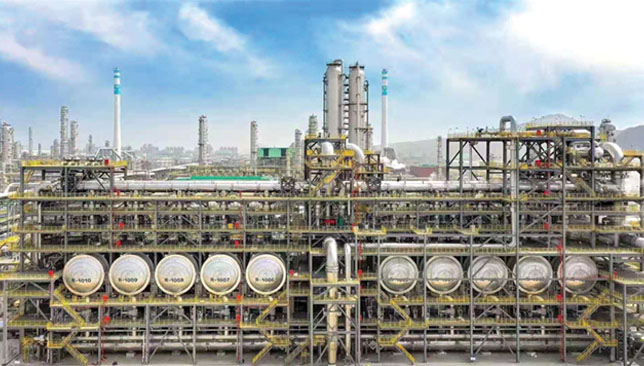
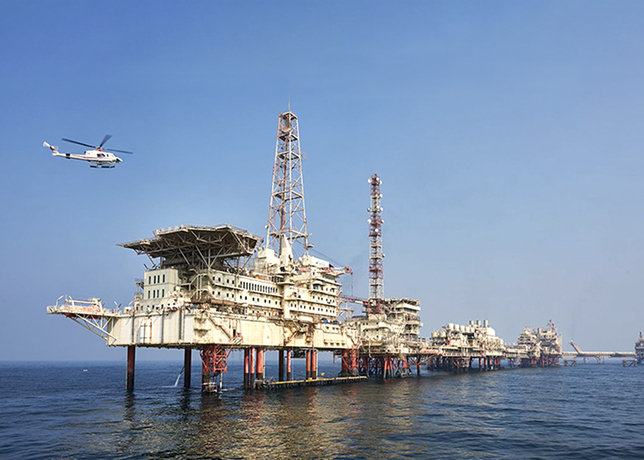
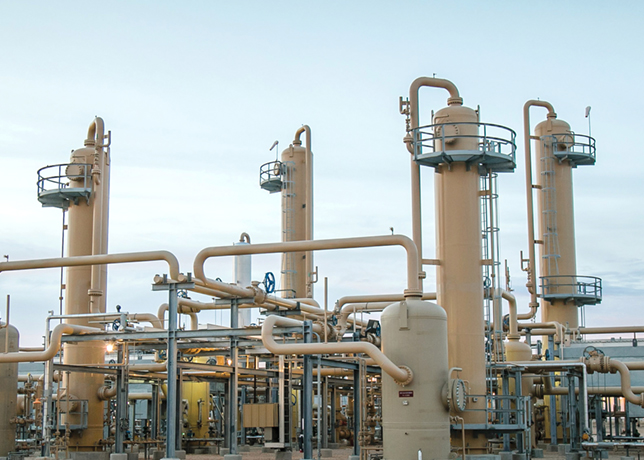
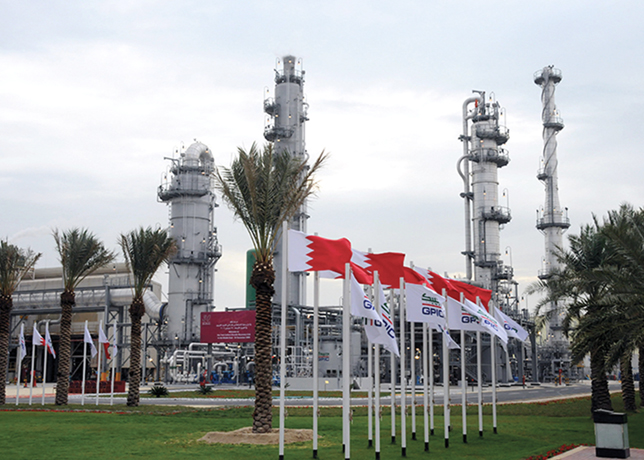
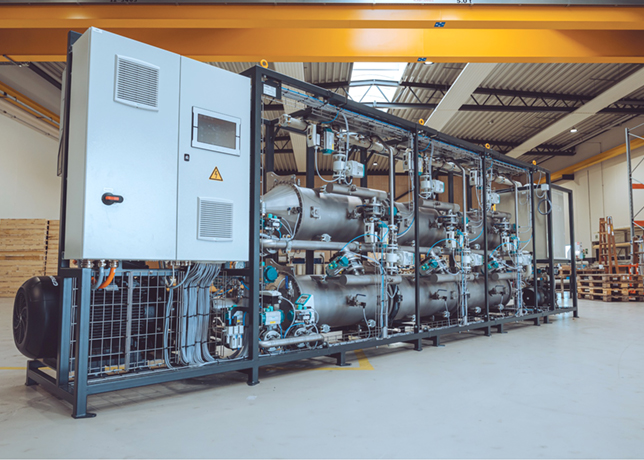
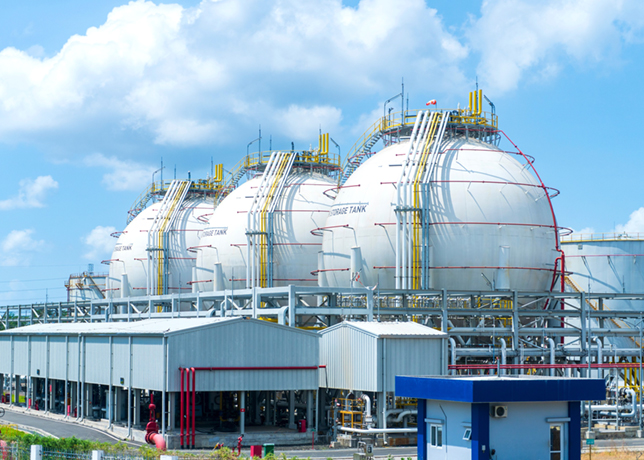
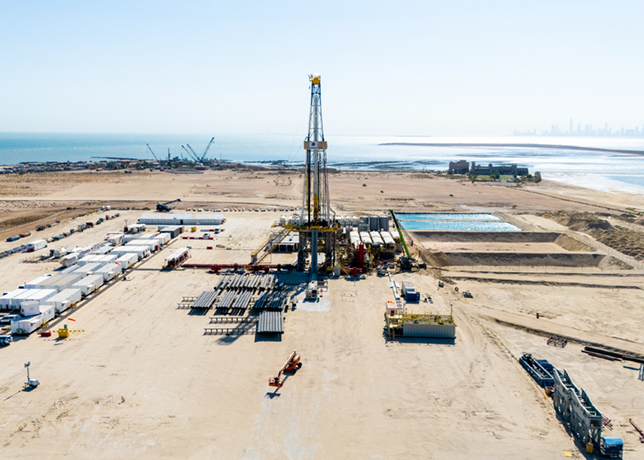
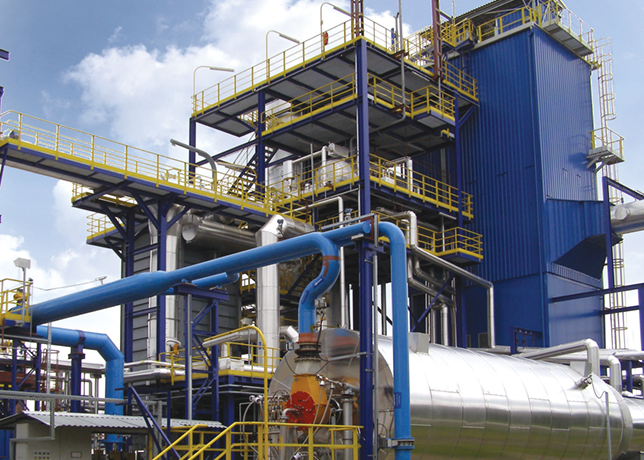
A large scale plant using Catofin technology
Given that scaling a single-train unit to 1.2 mtpa introduces severe fluid-dynamic and thermal stresses, how has Lummus re-engineered the reactor bed configuration to ensure mechanical integrity?
Lummus has decades of experience with CATOFIN and a history of maximising PDH capacity.
We are known in the market for overdelivering, and the previous capacity benchmark of approximately 900 kilotonnes per annum (KTA) was achieved with our technology.
That experience, combined with the way CATOFIN is designed, enables us to scale without introducing additional mechanical integrity or scale-up risk. CATOFIN uses multiple reactors operating in parallel, so as capacity increases, we adjust the number of reactors rather than fundamentally changing the reactor design.
These designs are already part of our technology platform and proven approach.
How do you mitigate the risk of catalyst degradation and run-length degradation when operating the cyclic CATOFIN process at such an unprecedented throughput?
The scale does not introduce additional catalyst risk, and similar to the reactor design, the equipment is already sized and proven.
At this capacity, we are simply using more reactors rather than fundamentally changing the design.
That allows us to achieve the higher throughput without introducing new catalyst degradation risk.
With single-train downtime incurring massive financial penalties at 1.2 MTPA scale, what specific redundancy and heat-recovery features have been incorporated to guarantee maximum stream factors?
Redundancy is inherent to the CATOFIN design, so no additional equipment, and thus investment, is required.
Everything is connected automatically, with the feed switching from one reactor to another as the reactors rotate through the cycle.
This allows the overall process to remain continuous and achieve close to 99 per cent on-stream time, even as we increase capacity.
That built-in redundancy is a direct result of Lummus’ innovation.
We have engineered CATOFIN so that the ability to maintain on-stream performance is fundamental to how the technology operates, rather than something that needs to be added as we scale.
An important differentiator is that the design itself does not change at higher capacities, allowing us to apply the same proven operating approach at 1.2 MTPA.
With similar technologies one reactor can bring the unit down.
But with CATOFIN, Lummus’ innovative design provides that redundancy inherently, helping maintain operation and maximise on-stream time.
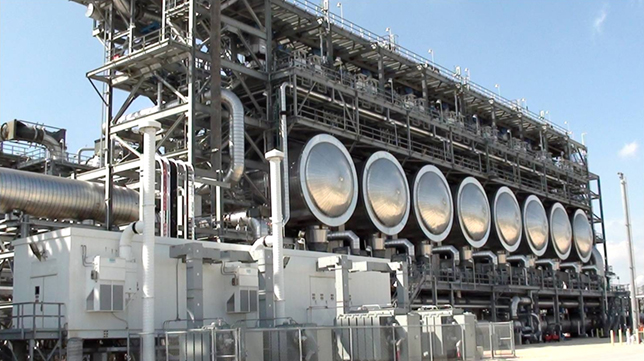
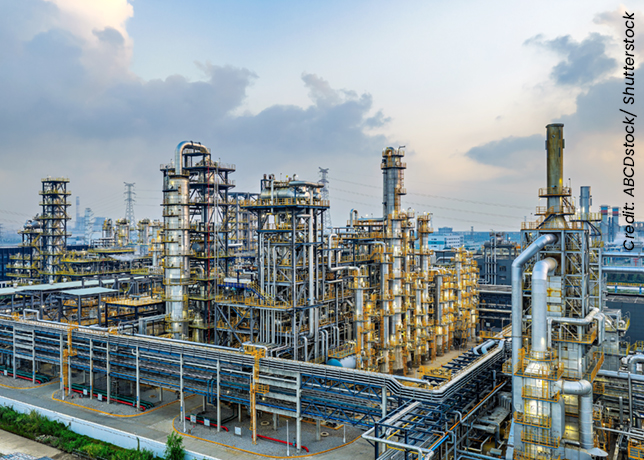
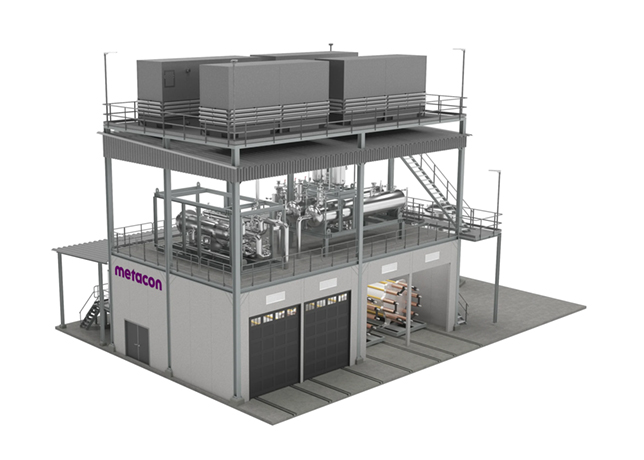
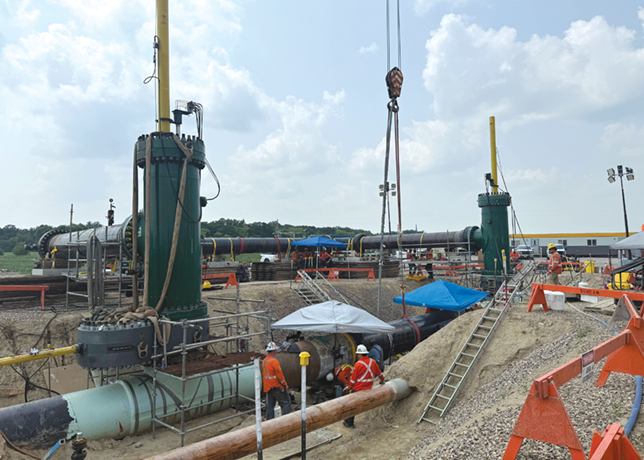
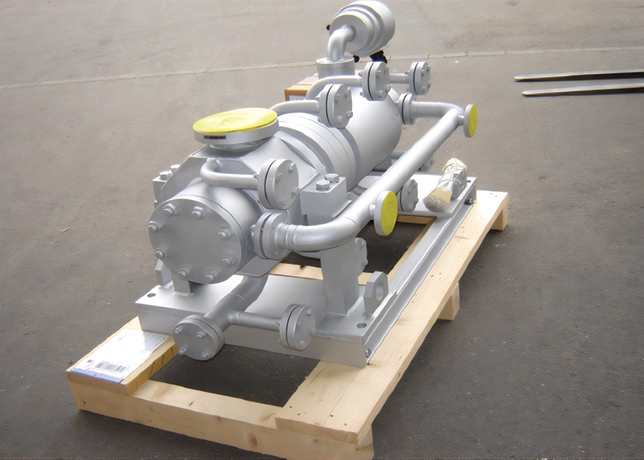
A HDP unit at a facility
How does this mega-scale unit achieve a competitive breakeven point on propane-to-propylene conversion in the Asian petrochemical market?
Mega-scale projects are common in the Asian market, and this is where we have already seen PDH units reach the previous capacity benchmark of approximately 900 KTA.
At this scale, there is a clear economic advantage: The larger the unit, the greater the opportunity to reduce capex on a per-tonne basis.
At ZPC, that advantage is combined with integration into its existing complex, which creates additional opportunities to optimise opex.
The economies of scale and integration result in a lower cost of production and help minimise the impact of market price fluctuations.
We worked closely with ZPC to look at the overall complex and determine how to integrate the unit to maximise the return on their investment.
Personally, I have worked on many projects in China dating back nearly 15 years, and I have spent months at a time working with customers as well as starting up units.
That’s what our staff is trained to do day in day out: never leave the customer.
Our experience and continued engagement with customers help us deeply understand their needs, their specific pain points, and how our technology can help them capture greater returns on their investments.
How does the Lummus-Clariant catalyst system optimise selectivity to handle potential variations between imported waterborne LPG and ZPC’s internal refinery-grade propane feedstocks?
Our catalysts do not contain noble metals, which are typically more susceptible to contaminants.
That makes the CATOFIN catalyst system more robust and provides greater feedstock flexibility.
We also have experience across different feedstocks.
The technology can process C4 and C5 feedstocks, with commercial units operating around the world.
That flexibility allows us to tailor the technology based on the feedstock and the end product the customer wants to produce.
Considering the high energy intensity of propane dehydrogenation, what novel decarbonisation technologies or waste-heat utilisation mechanisms are embedded in this latest CATOFIN design?
We’re always looking for ways to improve heat integration and energy recovery with every new CATOFIN design.
There is not a one-size-fits-all answer because every customer and every complex is different.
We tailor the design around the site and look for the greatest practical energy gains available within that configuration.
For ZPC, that means looking beyond the PDH unit itself and considering how it integrates with the broader complex.
Better integration lets us identify opportunities to recover and use energy more efficiently across the site.
How significantly does the high-purity hydrogen byproduct generated by this unit enhance the overall carbon and economic balance of ZPC’s broader refining footprint?
Hydrogen is a valuable byproduct of the PDH process, particularly within a large integrated refining and petrochemical complex.
The hydrogen produced by the unit can be used elsewhere in the refinery for hydrogen-consuming processes such as hydrogenation, hydrocracking, or hydrotreating.
That can reduce the amount of hydrogen that has to come from a dedicated, on-purpose hydrogen production unit, providing a credit of more than 10 per cent on the overall opex cost.
This is an example of why we look at the economics of the entire complex rather than evaluating the PDH unit in isolation.
With CATOFIN capturing a majority of recent PDH awards globally, how is Lummus managing supply chain and manufacturing capacity to deliver these increasingly massive reactor systems without operational delays?
Customers come to us for our expertise in technology.
While Lummus does not manufacture equipment, we work with fabricators to optimise our custom designs.
We understand speed and accuracy are paramount to our partners, and we are always looking at our execution processes and design criteria to identify best practices.
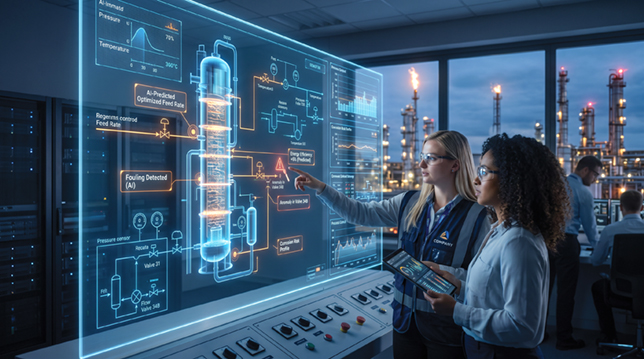
We are using new digital and AI-enabled tools to accelerate that work while continuing to tailor the design to each customer.
Capacity is the starting point here.
Depending on how much propane the customer needs to process, we can build from an existing design and tailor it to their requirements or start from scratch based on the specific needs of the site, including heat integration.
With the new tools we are developing, we can deliver those customised designs in less time than before.
We are known in the market for exceeding capacity needs, and that track record is one of the reasons CATOFIN has become a technology of choice in China.