








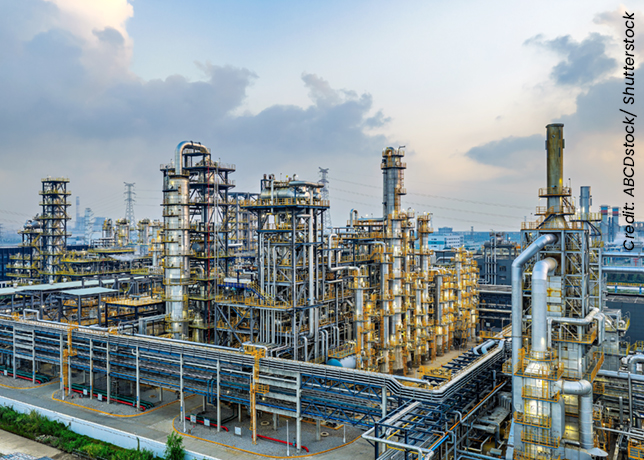











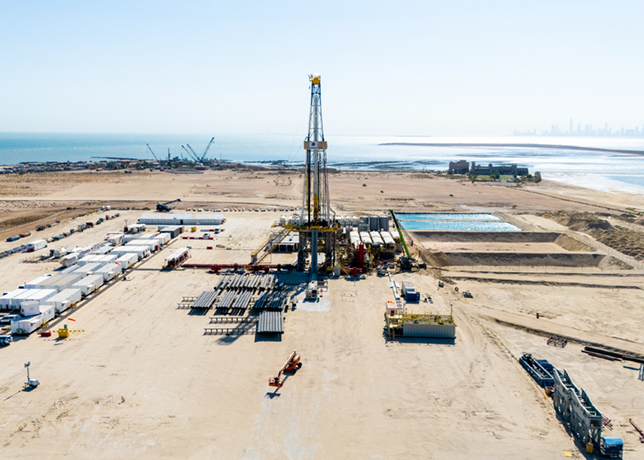



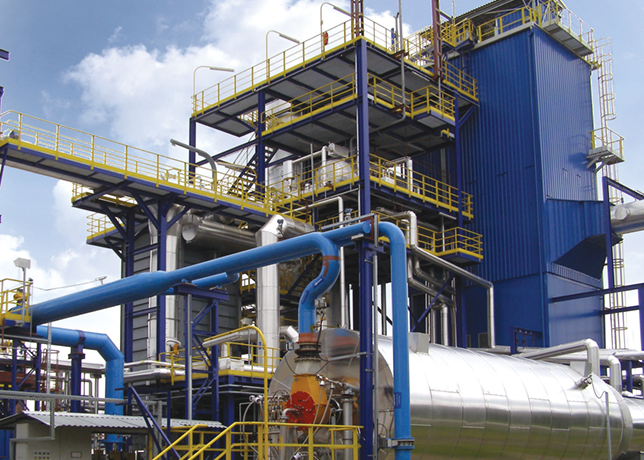
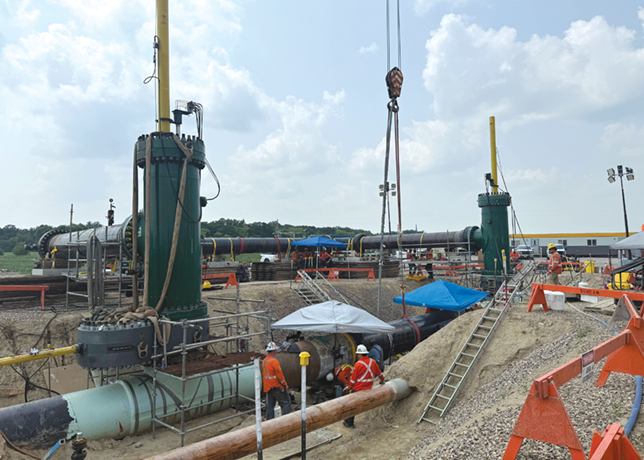


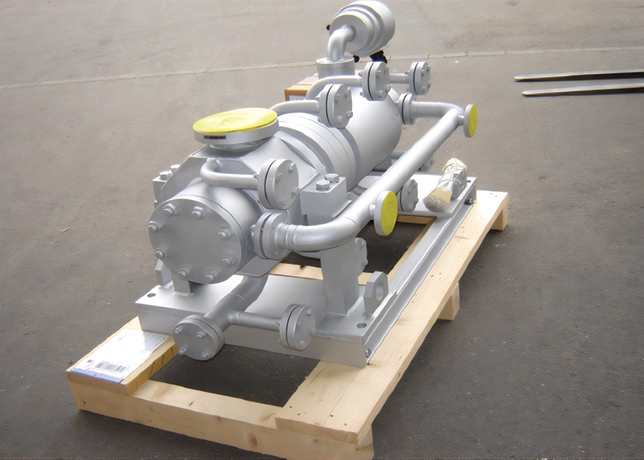


In 2023, Engie that owns 40 per cent of Tabreed announced that it had developed the Middle East’s first geothermal-powered district cooling plant, called G2Cool.
Explaining the process, Antonio Di Cecca, COO of Tabreed, said the system relied on two geothermal wells, each 2.5 km deep.
Hot water was extracted at 90 deg from the first well and the heat from this hot water powers an absorption chiller that produced chilled water for the urban cooling network.
After its use, the water was reinjected into a second well to form a closed-loop system.
The use of this system lowered the electricity use by three times.
“That translates to 3,000 megawatt-hours (MWh) saved and 1,000 tonnes of CO2 emissions avoided, enough to cool the equivalent of 150 homes in the sweltering Middle Eastern climate,” according to Engie’s website.
This is an example of the use of geothermal energy to mitigate climate change, specifically the use of geothermal energy to cool homes.
WHAT IS GEOTHERMAL ENERGY?
Deep within the Earth’s crust, there are rocks and fluids at extremely hot temperature.
When this thermal energy is extracted using drilled wells into the Earth’s crust, the extracted energy is known as geothermal energy.
“Geothermal energy is a renewable energy source harnessed from the thermal energy stored in rocks and fluids deep within the earth’s crust,” says the European Commission’s website for geothermal energy.
According to the 2026 Cleantech OpenLetter, geothermal energy could generate 301 terawatt-hours (TWh) of electricity in the EU annually, equivalent to approximately 42 per cent of the European Union (EU) coal- and gas-fired generation.
To accelerate the EU’s transition to renewable energy, the EU’s Amending Directive includes the renewable energy target of 42.5 per cent as a mandatory level and states that the member states should aim to achieve an overall renewable energy target of 45 per cent to be in accordance with the REPowerEU Plan.
The term “renewable energy” in the 2018 Directive and the Amending Directive includes geothermal energy in its definition located in Article (1) (a).
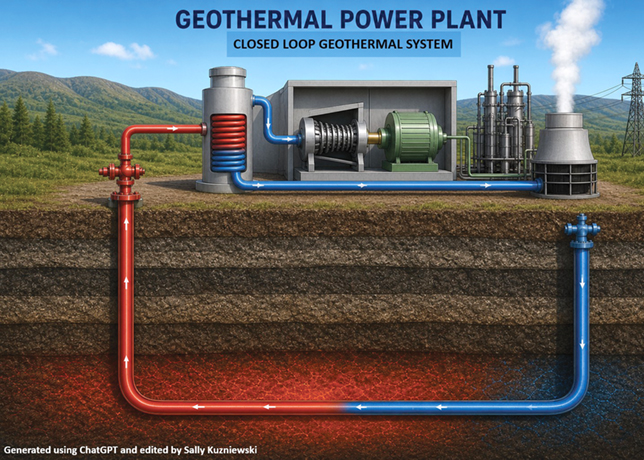
A closed loop geothermal energy system
GEMOTHERMAL’S PROMISING FUTURE IN MENA
Among Mena countries, Morocco has a legal framework in Law 13-09 to develop renewable energy projects and it also includes geothermal energy in its definition for renewable energy.
The future for geothermal energy in Mena countries is promising due to The Clean Air Task Force report showing the presence of superhot rock resources, also illustrated in its global maps.
“Just 1 per cent of the Middle East and North Africa’s superhot rock resource has the potential to provide 7.2 terawatts of energy capacity, which could generate nearly 60,000 TWh of electricity,” says the article by Clean Air Task Force.
Superhot rocks are rocks at temperatures above 375 deg C and the heat from these rocks are captured using enhanced geothermal systems (EGS) to produce electricity unlike conventional geothermal energy extraction that involves relying on naturally-occurring steam or hot spring reservoirs.
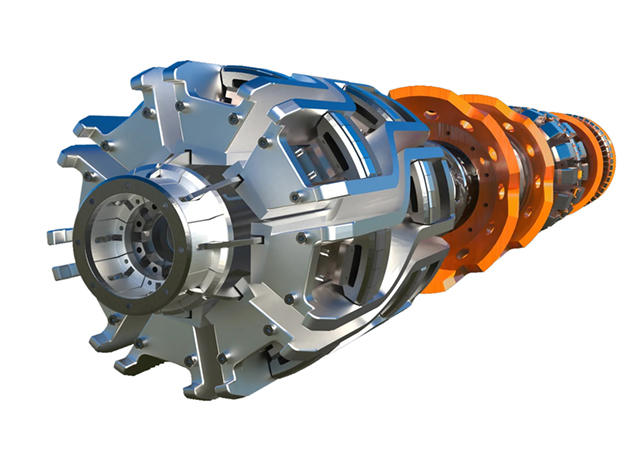
In EGS, drilling fluid is circulated at depths of more than 5 km into the Earth’s ground to reach hot rocks at temperatures of more than 375 deg C to capture the heat.
Besides significant costs for drilling materials, such as polycrystalline diamond cable, drill bit designs, and drilling into superhot rocks, the use of EGS in superhot rocks still needs to be explored.
Geothermal energy is a renewable, clean energy source; therefore, it is also a useful source of energy to mitigate climate change.
An evaluation of literature review using the PRISMA framework showed that geothermal systems emits significantly less carbon dioxide than fossil fuels and results in long-term investment despite the high initial cost of establishing the geothermal energy extraction systems.
Huge lava fields, known as Harrat, extend along the coast of the Red Sea in Western Saudi Arabia.
The Western part of Saudi Arabia also contains orogenic granite with high radioactive content, specifically uranium, thorium, and potassium with a maximum heat generating capacity of 134 µW/m3.
However, a recent study found that mineral features indicate there were once hydrothermal systems in the Northern Harrat volcanic regions and estimated that geothermal systems could be operative if built at depths of nearly 6 km.
Mena countries are investing in geothermal energy.
“Grow contribution of renewables to national energy mix” is one of the strategic objectives in Saudi Arabia’s vision 2030 and geothermal energy is renewable energy.
In 2025, EDF Saudi Arabia and TAQA Geothermal Energy signed a memorandum of understanding to collaborate on geothermal energy technologies in Saudi Arabia.
And there are other Mena countries exploring geothermal energy as the future of renewable energy in the light of concerns about climate change.
“The UAE Energy Strategy 2050 aims to triple the contribution of renewable energy by 2030 and mobilise national investments of AED150-200 billion ($41-55 billion) over the same period to ensure that the country’s growing energy demand is met in line with its rapid economic growth,” said the statement on the UAE Energy Strategy 2050’s website.
G2Cool is an example of how to use geothermal energy to mitigate climate change.
Made possible by ADNOC’s $15 billion, it accounts for 10 per cent of Masdar City’s cooling needs. The future looks promising due to MENA’s strategic objectives and partnerships.
Dr Saleha (Sally) Kuzniewski is a scientist and a writer. In addition to her work at the US Geological Survey on bioremediation and microbial ecology projects, she has also authored several scientific publications in wastewater treatment and technologies. She is the recipient of the 2026 Jesse H Neal award in the Best GEO Initiative and the 2023 APEX award for publication excellence. Dr. Kuzniewski received her BS degree in Biology from William Smith College, Master of Environmental Science degree from Memorial University of Newfoundland, and her PhD degree from George Mason University.