











































As oil and gas facilities become increasingly complex, fire and gas detection remains a critical part of protecting people, assets and operations.
But an effective strategy involves more than simply installing detectors.
In an interview with OGN energy magazine, Kevin Killeen of MSA Safety discusses how operators can take a more holistic approach, from understanding site-specific hazards and selecting complementary technologies to optimising detector coverage and improving system visibility.
Below are excerpts from the interview:
What are some of the biggest fire and gas detection challenges facing oil and gas operators today?
One of the central challenges is balancing growing operational demands with the need to manage risk effectively.
Oil and gas facilities are becoming increasingly complex, which makes early hazard identification particularly important.
Operators need to understand where combustible or toxic gases, ignition sources, and other hazards may exist, while also considering how effectively a system can identify developing risks while minimising unnecessary nuisance alarms that may disrupt operations.
Ultimately, fire and gas detection can be part of a wider approach that considers the risks present across the facility alongside its operational requirements.
What should operators consider when developing or reviewing their overall fire and gas detection strategy?
It starts with understanding the hazards by conducting an operational hazard assessment.
With this, operators can identify the highest risk areas in their operation.
Environmental conditions, maintenance accessibility, and operational activity should also form part of that assessment.
People, equipment, and processes may move through different areas, so the strategy should reflect potential exposure to both personnel and assets rather than looking at individual detectors in isolation.
At MSA, this application-led approach is an important part of working with operators and maintenance staff to identify suitable detection technologies for the challenges present at a particular facility.
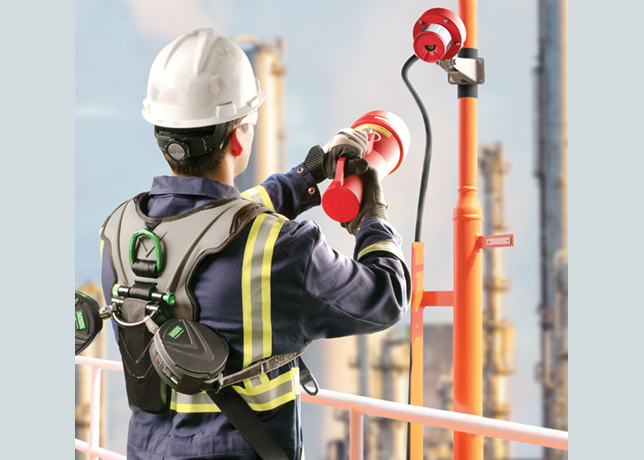
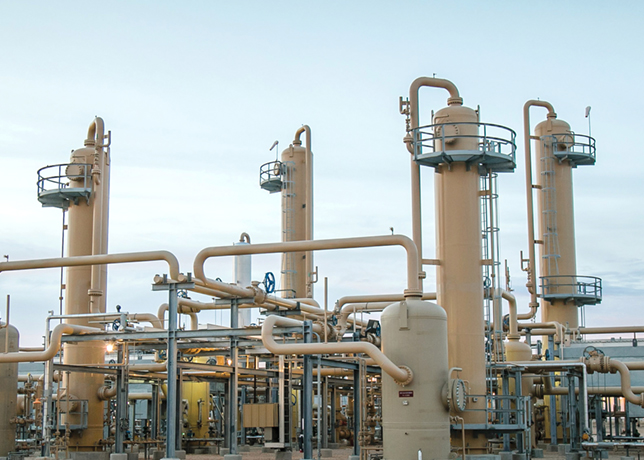
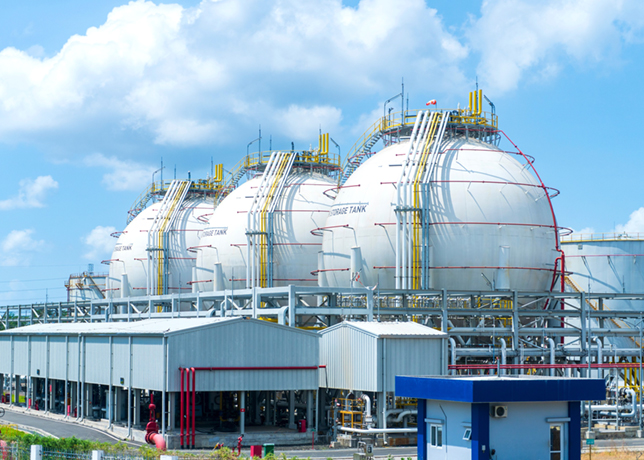
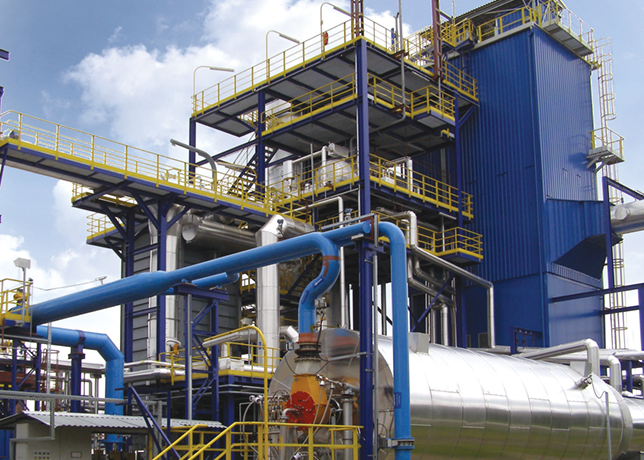
General Monitors® FL5000 application at a refinery
Why is it important to use a combination of detection technologies rather than relying on a single approach?
No single detection principle is suited to every hazard, application, or environment.
Different technologies have strengths depending on factors such as the gas involved, the type of fire risk, location, and operating conditions.
This is why MSA creates layers of protection.
Point gas detection may be used to identify a combustible gas release at a specific location, while open-path technology can provide detection across a wider area.
Ultrasonic gas leak detection can offer another layer by identifying the sound associated with a pressurised leak, while flame detection provides an additional means of identifying an event if ignition occurs.
MSA solutions, such as the ULTIMA® X5000 Gas Monitor, General Monitors® S5000 Gas Monitor, General Monitors® FL5000 and other detectors can form part of this broader approach, depending on the application and risk assessment.
How should operators determine which detection technology is most appropriate?
Technology selection should follow the hazard assessment rather than lead it.
Operators need to consider factors including the gases or hazards involved, environmental conditions, installation constraints, required response times, and maintenance requirements.
Working with detection specialists can help translate those factors into an appropriate combination of technologies.
The key is avoiding a one-size-fits-all approach and selecting technology around the specific risks and operating conditions of the facility.
How important are detector positioning and coverage, and what role can fire and gas mapping play?
Positioning is a key factor in overall system effectiveness.
Advanced detection technology can still provide limited value if it is not positioned appropriately for the hazard it is intended to detect.
Engineering judgement and experience remain important, and modern fire and gas mapping can complement that expertise by using modelling and analysis to identify higher-risk areas and assess detector coverage.
This can support more informed decisions about where different technologies should be positioned.
MSA Safety also works with specialist fire and gas mapping companies to help support customers through this process.
What additional challenges do harsh oil and gas environments create?
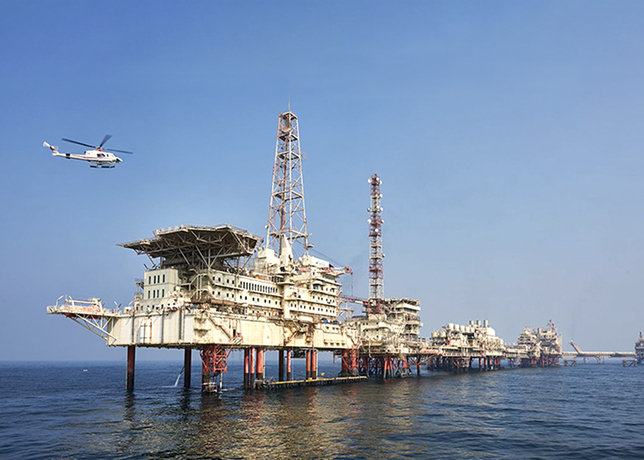
Oil and gas equipment may need to operate in widely varying environmental conditions, from Arctic installations to offshore platforms exposed to salt spray or Middle Eastern facilities experiencing large temperature fluctuations.
Equipment selection, therefore, needs to consider the environment in which it will operate, alongside the relevant specifications and certifications.
Maintenance must also be considered.
Accessibility, changing conditions, and operational demands can all influence how detection equipment is inspected and managed throughout its service life.
MSA Safety works with customers in the product development stage to help design products that will perform and last in the toughest environments.
Where do you see the biggest opportunities for operators to improve safety, reliability and maintenance efficiency?
One of the biggest opportunities is greater visibility into the health and condition of detection equipment.
Advanced diagnostics and analytics can provide operators with more information about detector condition, helping to support maintenance and lifecycle decisions.
Continued developments in sensing and optical technologies are also important.
Digital connectivity is another key area.
As facilities increasingly automate processes and manage growing operational demands, improving how devices communicate and share information can provide greater visibility across detection systems.
For MSA, the opportunity is developing individual detection technologies as well as supporting more connected strategies that help operators better understand both the risks across their facilities and the condition of the equipment used to manage them.
To learn more about MSA Safety’s fire and gas detection solutions and how a layered approach can support oil and gas applications, visit MSAsafety.com.