


































Pipeline operators globally are turning to advanced multi-technology inspection solutions to eliminate data blind spots, manage cumulative stress, and ensure long-term integrity across critical energy infrastructure.
Traditional single-technology tools often leave operators with fragmented diagnostic results, making it difficult to detect complex interacting threats or evaluate aging pipelines operating beyond their original design limits.
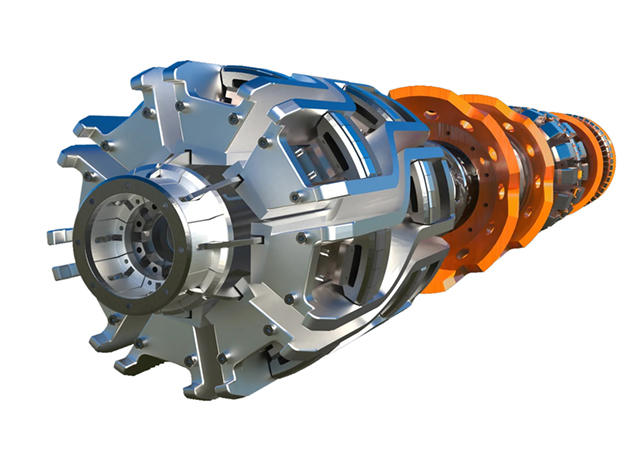
To address these challenges, NDT Global’s QUADRA™ brings together circumferential magnetic flux leakage (CMFL), axial MFL (AMFL), caliper (CAL), and low field inspection (LFI) technologies in a single inline inspection run.
By integrating complementary ultra-high resolution datasets aligned to a single odometer stream, the platform enables analysts to evaluate seam-related features, localised pitting corrosion, and mechanical deformation simultaneously within a single integrity framework.
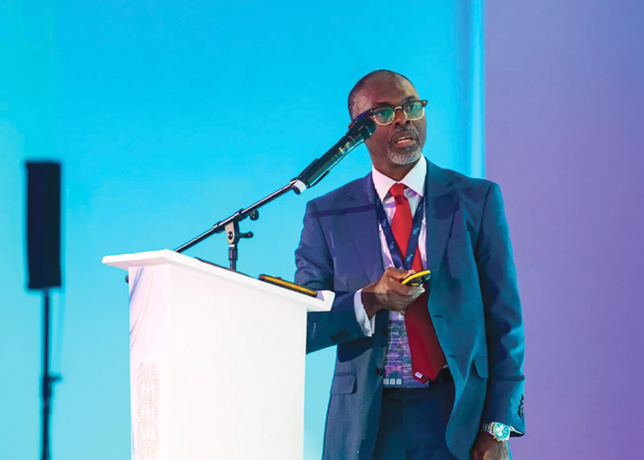
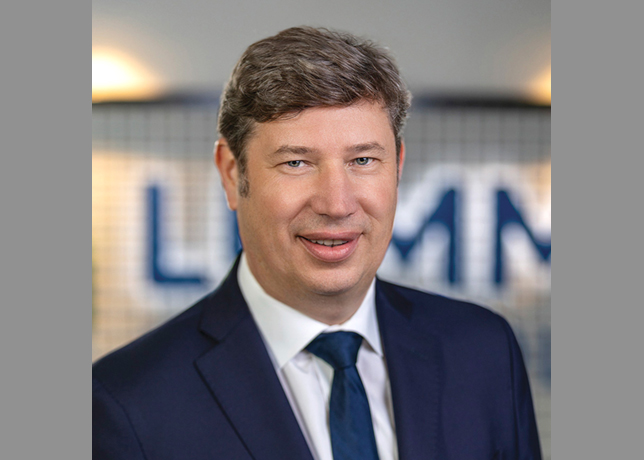
In an exclusive interview with OGN energy magazine, Miguel Maldonado, Director, MFL Product Management, NDT Global, says: “Repurposing existing pipelines for CO2 and hydrogen service requires a thorough understanding of both asset condition and material characteristics.”
He stresses that connecting inspection data with advanced analysis and integrity engineering allows operators to move beyond raw figures toward clear, risk-based decisions that support life extension and decarbonisation goals.
Below are excerpts from the interview:
How does the multi-technology architecture of QUADRA™ eliminate the data blind spots and physical limitations inherent in traditional single-technology inline inspection tools?
Traditional inline inspection technologies are highly effective for specific threat types but typically have inherent limitations.
QUADRA™ addresses this challenge by combining complementary technologies, including CMFL, AMFL, CAL, and LFI, into a single inspection platform.
For example, while AMFL is highly effective for detecting metal loss, long axially oriented anomalies can be challenging for this technology alone.
CMFL complements this capability by enhancing the detection and characterisation of axially oriented features and seam-related threats.
Combined with CAL and LFI, operators gain a more complete understanding of pipeline condition, including metal loss, deformation, material properties, hard spots, and narrow linear indications.
By integrating multiple ultra-high resolution (UHR) datasets into a single inspection run, QUADRA™ minimises blind spots, reduces uncertainty, and provides a more comprehensive assessment of pipeline integrity.
How does your combined axial and circumferential magnetic flux leakage technology resolve complex interacting anomalies, such as seam-weld defects occurring alongside localised pitting corrosion?
Because QUADRA™ collects both AMFL and CMFL data in a single inspection run, all indications are aligned to the same odometer stream.
This allows our analysts to evaluate seam-related features and localised corrosion together, using complementary datasets to better characterise complex interacting anomalies and reduce uncertainty in the final assessment.
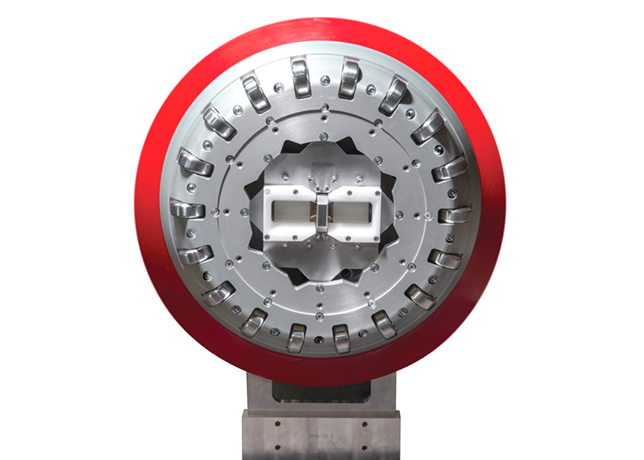
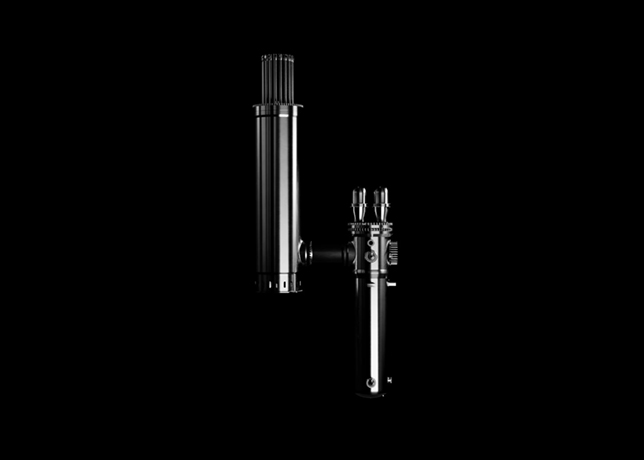
The QUADRA’s front face
With pipeline operators increasingly running legacy infrastructure well beyond original design limits, how does your technology quantify cumulative stress and micro-cracking to satisfy rigorous regulatory audits?
For aging pipeline assets, the key challenge is obtaining the most complete and reliable understanding of the current asset condition.
This can often be best achieved by combining multiple inspection technologies to help detect and characterise cracking and other threats.
QUADRA™ delivers a comprehensive dataset by combining CMFL, AMFL, CAL, and LFI technologies in a single inspection run, enabling the identification and characterisation of a broad range of integrity threats.
This multi-technology approach provides valuable insights into metal loss, seam-related threats, mechanical damage, deformation, material properties, and hard spots, helping operators reduce uncertainty and make informed integrity management decisions.
By improving confidence in asset condition assessments, operators are better positioned to support fitness-for-service evaluations, risk management programmes, and regulatory compliance requirements.
How do your multi-technology inspection tools withstand the extreme operating conditions of the GCC, specifically high ambient temperatures, severe sand erosion, and highly corrosive sour gas (H2S) environments?
By considering the tough operating conditions, our tools are designed to succeed where others may not.
Reliability in challenging operating environments begins with engineering and design.
From the outset, many of our inspection technologies are developed with demanding pipeline conditions in mind, enabling them to operate effectively across a wide range of environments, including those commonly found throughout the GCC region.
That said, no inspection technology is immune to every operational challenge. Success depends not only on robust tool design but also on effective project planning.
Our project management and engineering teams work closely with operators to understand pipeline conditions, assess risk, and define execution strategies that maximise inspection effectiveness while minimising operational uncertainty.
What technical breakthroughs in subsea robotics now enable the reliable inspection of deepwater and unpiggable pipeline geometries previously considered impossible to assess?
The main technical breakthrough for subsea robotics is modularity.
At NDT Global, we have expertise in many different sensor technologies, allowing us to select the most appropriate methodology depending on the application.
We have purposefully designed a modular tractor system that we can equip with a variety of non-destructive technologies, depending on the configuration of the pipe, the material, and, most importantly, the expected damage mechanism.
We have a plethora of UT sensors, used for liquid corrosion and crack detection, electromagnetic methods for surface crack evaluation and laser profilometry equipment for ovality and geometry measurements.
Having this flexibility is a key component for addressing non-standard ILI projects.
As pipeline data volumes grow exponentially, how is NDT Global applying advanced analytics and data fusion to prevent operators from drowning in raw figures without clear actionable intelligence?
Our focus is on combining high-quality inspection data, advanced analytical capabilities, and experienced technical expertise to transform complex datasets into meaningful insights that operators can act upon.
Data fusion plays an important role in this process, enabling information from multiple inspection technologies to be integrated and interpreted within a single integrity framework.
By bringing together the right technology, the right data, and the right people, we help customers move beyond raw information and toward clear, risk-based decisions that support safe and efficient pipeline operations.
Considering tightening regional regulations across the Middle East, how are your diagnostic datasets enabling operators to shift from reactive remediation schedules to predictive asset management?
Predictive asset management starts with high-quality data. By combining AMFL and CMFL datasets in a single run, operators gain greater confidence in threat identification and characterisation.
These insights can then be integrated into integrity management programmes to support corrosion growth assessments, prioritise maintenance activities, and enable more proactive, risk-based asset management decisions.
With GCC national oil companies heavily investing in regional carbon capture hubs and blue hydrogen networks, how are you supporting regional operators in certifying legacy pipelines for high-pressure carbon dioxide and hydrogen transportation?
Repurposing existing pipelines for CO2 and hydrogen service requires a thorough understanding of both asset condition and material characteristics.
QUADRA™ supports this process by providing high-confidence inspection data on metal loss, deformation, material properties, pipe grade variations, and hard spots, all within a single inspection run.
This information helps operators validate historical records, assess pipeline suitability for future service conditions, and make informed integrity management decisions.
In particular, hard spot identification and material verification capabilities can provide important insights when evaluating assets for hydrogen transportation applications, where material performance is a critical consideration.
Where do you see the primary capital expenditure priorities for pipeline operators shifting over the next five years between immediate maintenance and long-term decarbonisation readiness?
Operators are under pressure to maintain aging infrastructure today while preparing assets for tomorrow’s energy transition.
QUADRA™ helps support both objectives by combining CMFL, AMFL, CAL, and LFI technologies in a single inspection run, delivering a more comprehensive understanding of pipeline condition.
By reducing uncertainty and improving threat characterisation, operators can prioritise remediation more effectively.
In an environment of constrained budgets and evolving asset requirements, better asset intelligence helps ensure investment is directed where it delivers the greatest value.
From a strategic leadership perspective, how is NDT Global positioning its service portfolio to remain indispensable as global energy markets balance fossil fuel asset optimisation with the net-zero transition?
We’re focused on helping operators maximise the value of existing assets while preparing for the needs of the future.
NDT Global is continually investing in advanced inspection technologies, data analytics, and integrity solutions that provide a deeper understanding of asset condition and risk.
Solutions like QUADRA™ deliver more comprehensive integrity insights today, while our ongoing innovation is aimed at addressing emerging challenges such as asset life extension, repurposing for new energy applications, and supporting the industry’s transition toward a lower-carbon future.