


















































As energy technology firm JTEC Energy prepares its novel hydrogen-based waste-heat-to-power conversion system for commercial field deployment, precise moisture measurement has emerged as a cornerstone of operational integrity.
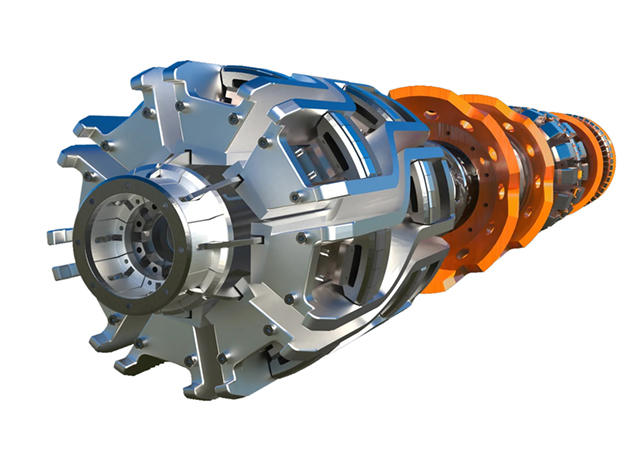
The technology converts waste heat into electrical power at higher efficiencies and lower temperatures than competing approaches by using hydrogen as a working fluid.
The architecture pairs a heat-driven compression process with electrochemical stacks that convert hydrogen pressure into electrical potential.
In this closed-loop process, a single charge of hydrogen circulates continuously without being consumed, making waste heat the sole operational fuel input.
However, the system unites two distinct subsystems with opposing humidity demands: an electrochemical stack that requires humidified hydrogen to maintain optimal membrane function, and metal hydride reactors that suffer severe degradation when exposed to excessive moisture.
To bridge these conflicting requirements, JTEC designed a closed-loop gas management system engineered to remove and recirculate more than 99.99 per cent of introduced moisture.
Achieving operational stability across dynamic batch processes, where pressure, temperature, and flow fluctuate significantly through cycles, requires industrial-grade sensors capable of operating in hydrogen, supporting variable flow, integrating into control systems, and meeting hazardous area specifications.
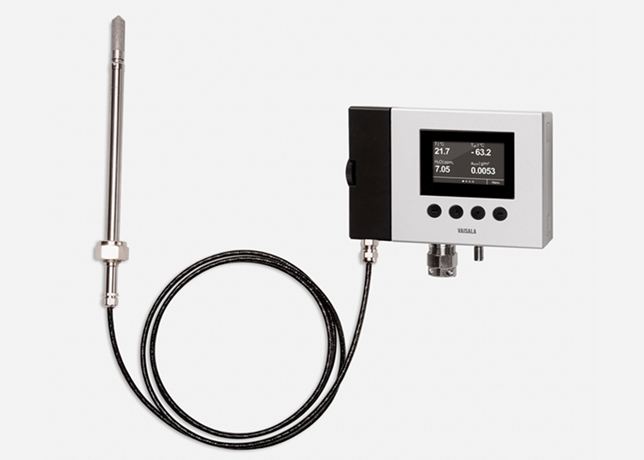
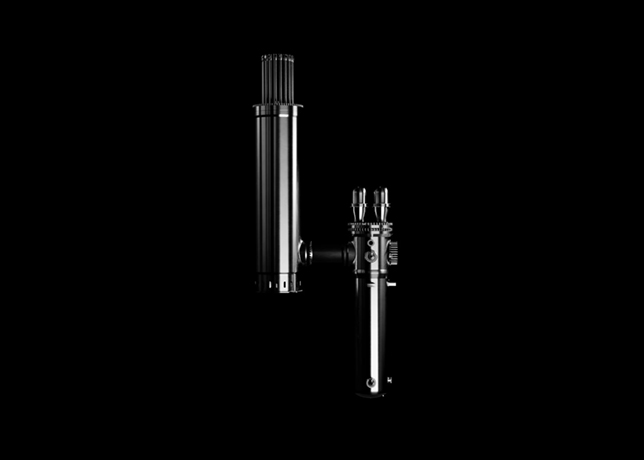
Vaisala DMP370 safe dew point instrument with DMP374 for pressurised_processes
OPERATIONAL CHALLENGES & SENSOR STANDARDISATION
Prior to standardising instrumentation, JTEC utilised conventional relative humidity and dew point sensors during research and development.
These traditional instruments lacked sufficient robustness, particularly during condensation or saturation events.
A saturated probe could force engineers to halt testing, dry down equipment, clean the process loop, and restart experiments.
In one instance, sensor saturation forced an engineer to spend three days attempting to complete a six-hour test.
In commercial production units, where the waste-heat conversion subsystem accounts for more than a third of total system cost, such measurement failures carry severe economic consequences.
Excess moisture exposure leads to oxide layer formation on metal hydrides, limiting hydrogen absorption, reducing reactor performance, and forcing offline maintenance downtime.
To eliminate these risks, JTEC piloted Vaisala dew point instrumentation in 2023 before standardising the technology across both research operations and production system architectures.
The hardware selection was driven by low dew point performance, calibration stability, component availability, integration flexibility, and specialised technical support.
In the production architecture, three specific sensors manage moisture control points.
First, a Vaisala HMP7 relative humidity and temperature probe evaluates gas exiting the electrochemical stack after initial dehumidification to confirm system performance and prevent line condensation.
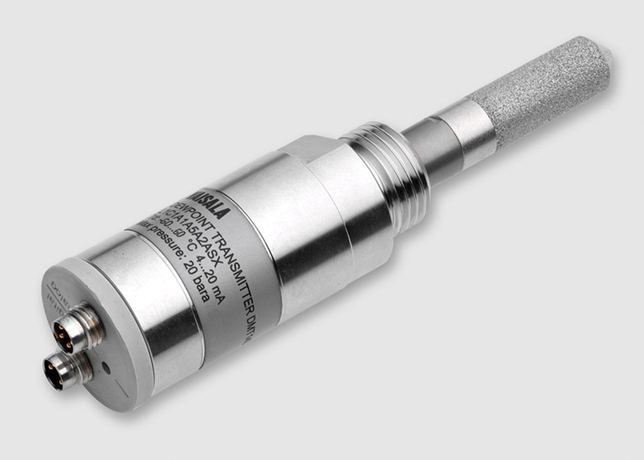
Second, an Ex-rated Vaisala DMP370 sensor monitors low dew point levels following final moisture removal stages, verifying that hydrogen is dried back to exact specification prior to re-entering the metal hydride reactors.
Third, a Vaisala DMT143 dew point transmitter operates within the maintenance manifold, which adjusts gas pressures during startup, shutdown, and maintenance to ensure moisture is not transferred from wet sections into dry hydrogen supply lines.
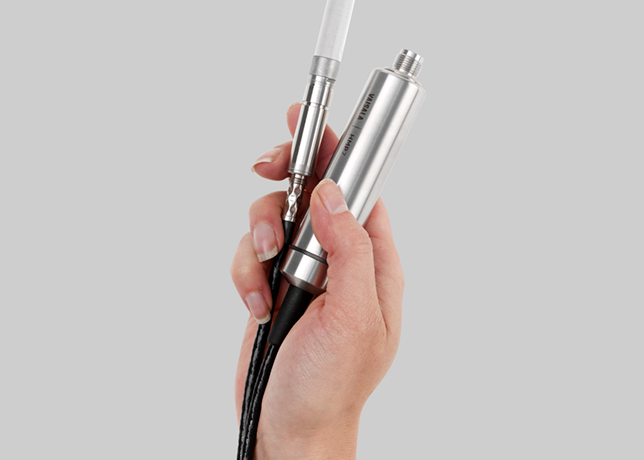
Vaisala relative humidity and temperature probe HMP7
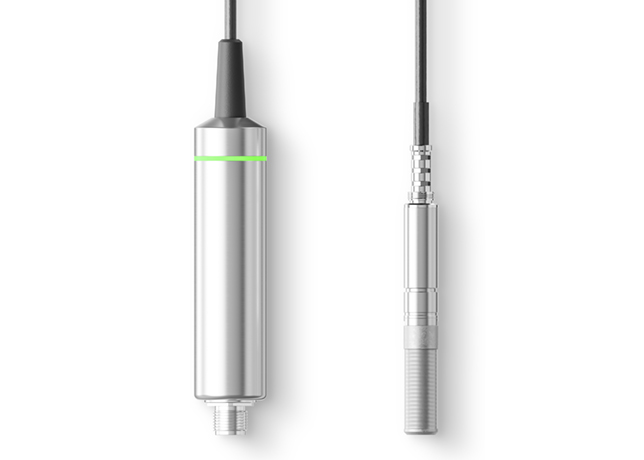
Vaisala relative humidity and temperature probe HMP7
TECHNICAL COLLABORATION & SYSTEM SCALING
Integrating these sensors involved embedding the hardware directly into larger system assemblies and linking them to central control logic.
For low dew point tracking, the Vaisala DMP370 provides continuous, stable readings without calibration interruptions, allowing operators to determine exact switching intervals between dehumidification columns.
Automatic calibration functionality increases measurement confidence, whilst embedded pressure compensation routines ensure accurate readings despite fluctuating operating conditions.
Because humidity measurement in hydrogen at non-atmospheric pressures represents an evolving area of scientific study, JTEC relied on technical guidance from Vaisala’s doctoral-level metrology experts to establish sound pressure compensation models and define measurement certainty limits.
Standardising on Vaisala DMT143, HMP7, and DMP370 sensors has provided JTEC with a uniform technology suite across both R&D operations and commercial production units.
Real-time data visibility allows the system to validate moisture removal performance across the entire gas management loop, protecting reactor investments and maintaining continuous power production.
As JTEC advances its first production units toward field pilot deployment and prepares for future scaling, robust moisture measurement remains vital to confirming operational reliability, supporting hazardous-area compliance, and building market trust in closed-loop waste-heat recovery.