




























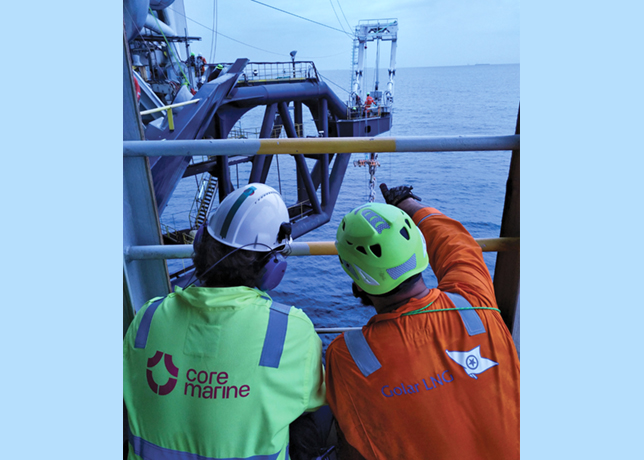
CoreMarine has executed a novel full-load tether-severing methodology to disconnect the Hilli Episeyo floating liquefied natural gas (FLNG) vessel offshore Cameroon, safely releasing the asset after eight years of continuous production.
The fast-track engineering campaign enables the vessel’s redeployment to Argentina’s Golfo San Matías by mid-2027, where it will underpin the nation’s emerging natural gas export infrastructure following shipyard upgrades in Singapore.
By severing the soft-yoke mooring tethers under full load rather than deballasting and reversing the original hookup, CoreMarine eliminated extensive subsea intervention, drastically reducing vessel spread requirements, deck equipment, and offshore execution time.
Post-disconnect inspections of the subsea architecture revealed minimal biofouling and material degradation, yielding critical empirical data that validates long-term integrity management frameworks for aging floating gas infrastructure operating in harsh tropical marine environments.
Following this operational milestone, CoreMarine secured the full transport, installation, soft-yoke mooring, and hook-up contracts for both the Hilli Episeyo and the MKII FLNG vessels in South America.
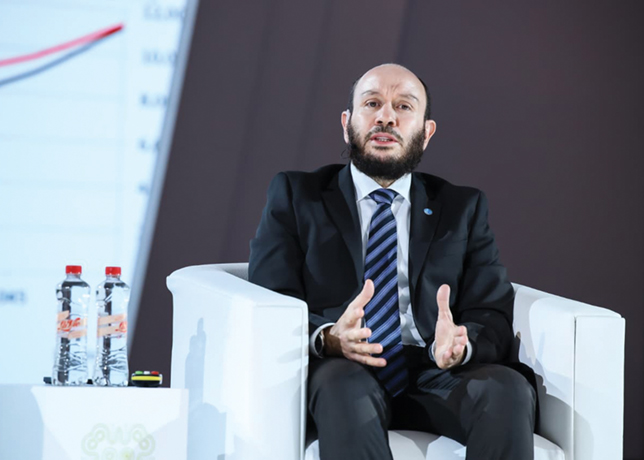
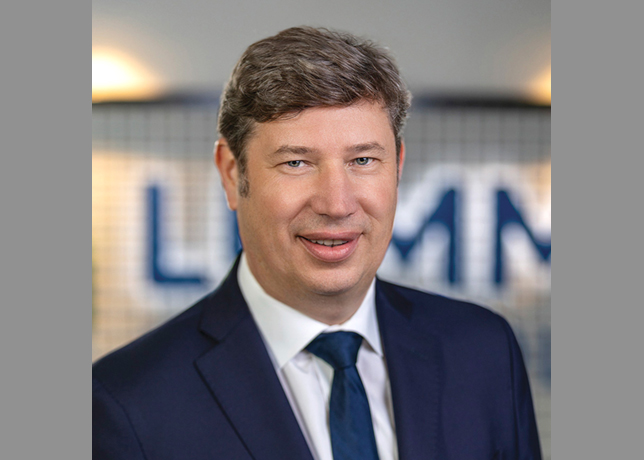
In an exclusive interview with OGN energy magazine, Gerardo Rodriguez, Lead Project Manager of CoreMarine, says: “The technical complexity and fast-track nature of this project highlight Coremarine’s engineering expertise and our ability to deliver demanding offshore solutions within tight timeframes.”
Below are excerpts from the interview:
How did CoreMarine’s novel disconnection methodology specifically mitigate the engineering risks associated with releasing a soft-yoke mooring system submerged in tropical waters for eight years?
CoreMarine developed a disconnection methodology that avoided deballasting the soft yoke and reversing the original hookup.
Instead, the mooring tethers were severed under full load.
This significantly reduced the diving intervention required, allowing for a smaller diving spread and less demanding diving vessel requirements.
It also reduced the station-keeping requirements for the supporting tugs, shortened the time required to release the FLNG and reduced the amount of deck equipment needed offshore.
The main challenge was proving that the tethers could be safely severed under full load and that the resulting load transfer and system response remained within the required limits.
Significant engineering analysis and verification was undertaken to demonstrate this.
The result was a simpler and more cost-efficient offshore operation, reducing the overall spread, interfaces and execution time while maintaining the required level of safety and technical assurance.
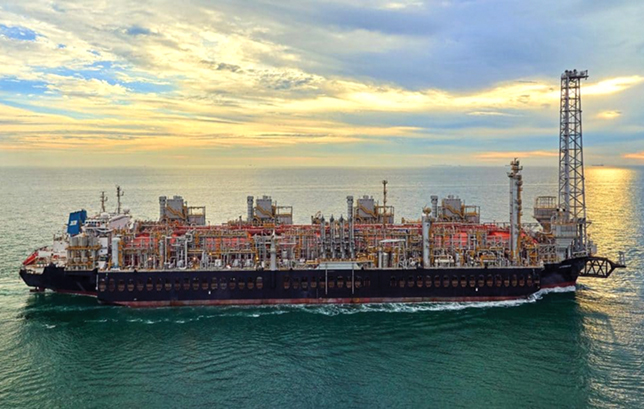
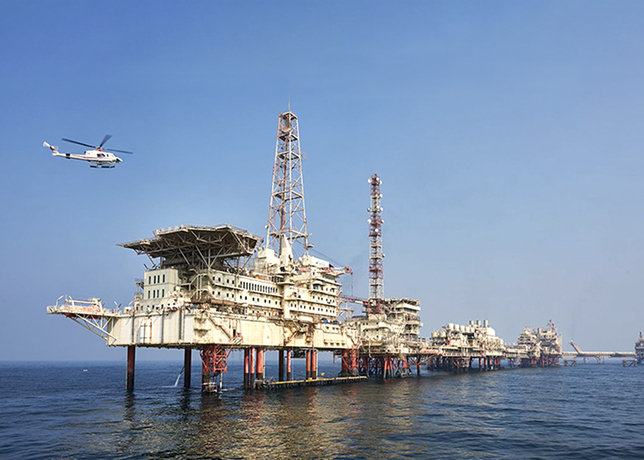
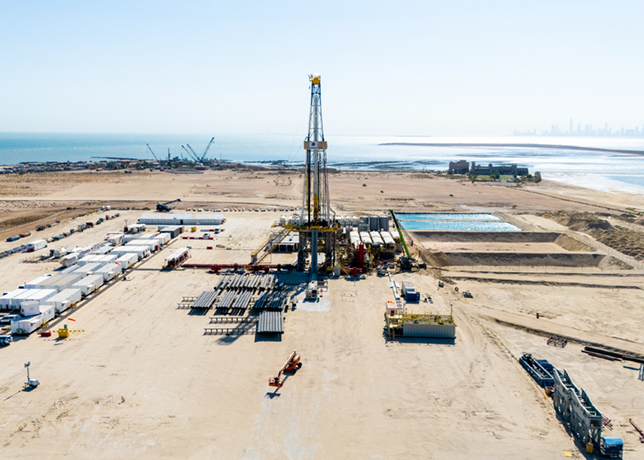
The FLNG vessel offshore Cameroon was safely released after eight years of continuous production
How do the subsea biofouling and material degradation levels observed during the Cameroon disconnection inform long-term integrity management for floating gas infrastructure?
The inspection of the subsea components after approximately eight years offshore Cameroon showed relatively low levels of biofouling and material degradation.
This provided a positive indication of the condition and durability of the subsea systems over an extended period of operation in a tropical marine environment.
The findings reinforce the value of regular inspection and condition-based integrity management, while also providing useful real-world data to support the assessment of component life and maintenance requirements for floating gas infrastructure.
What primary structural modifications and system overhauls will be undertaken during the Singapore shipyard drydock phase to prepare the Hilli Episeyo for South American offshore conditions?
These modifications are being undertaken by Golar but will include adjustments to meet the new mooring systems and riser configuration
What critical metocean and geotechnical contrasts between offshore Cameroon and Argentina’s Golfo San Matías must be accounted for during the soft-yoke reinstallation phases?
We will be installing a new APL subsea yoke system specifically designed for the new site geotechnical and metocean conditions.
How will CoreMarine manage the simultaneous offshore campaign requirements and supply chain constraints of hooking up both the Hilli Episeyo and the MKII FLNG vessels in an emerging region?
The installations are planned one year apart to avoid any clashes and leverage learnings from the first project. We will be using the same subcontractors and equipment where possible to leverage supply chain synergies.
What key technical lessons from the Cameroon project management framework are being embedded directly into the forthcoming transport and installation scope in Argentina?
The Cameroon campaign provided useful lessons for the Argentina project, particularly around interface management, engineering readiness, offshore sequencing, and procurement/logistics.
The experience also highlighted the value of completing engineering and equipment-readiness checks well ahead of the offshore campaign, even on fast-track projects like this one. This allowed issues to be identified and resolved before mobilisation rather than during the offshore operation, where they are usually more costly.