








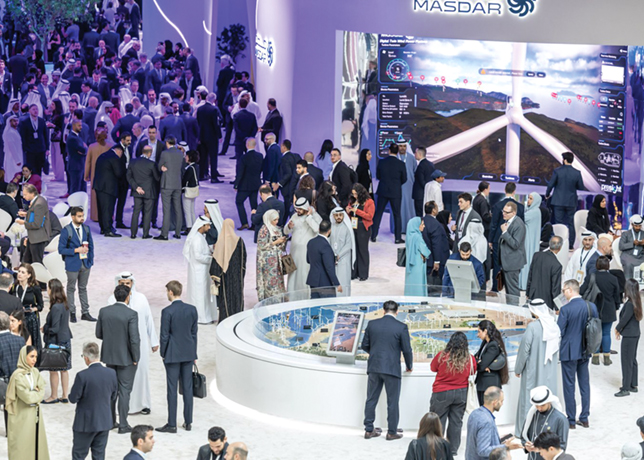
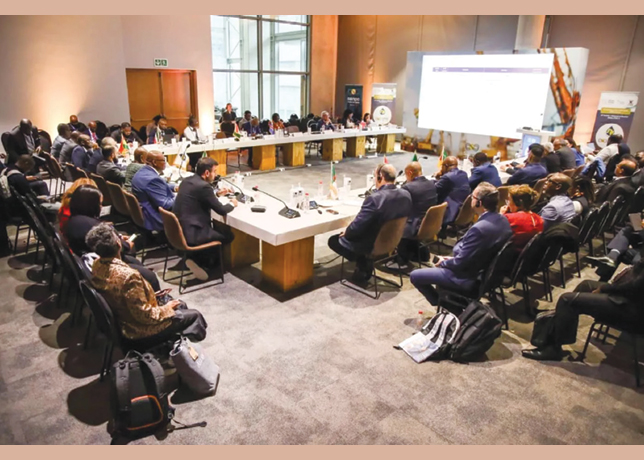








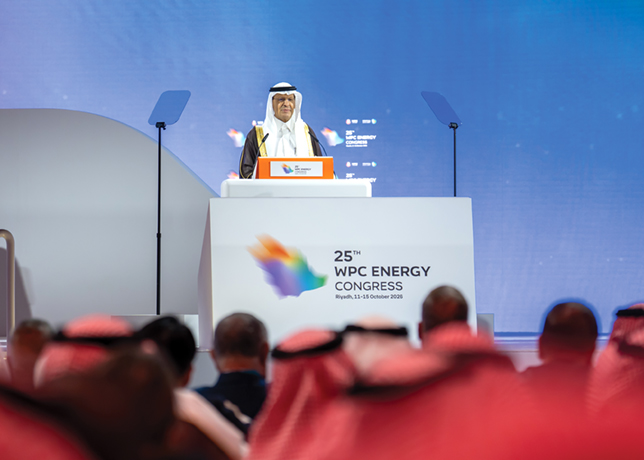
The 25th World Petroleum Congress (WPC) in Riyadh closed its doors having attracted over 33,000 delegates from 135 countries, establishing a new attendance benchmark in the 93-year history of the event.
Themed “Pathways to an Energy Future for All”, the event was hosted in Saudi Arabia for the first time in the Congress’s 93-year history, from October 12-15, at the Riyadh Front Exhibition and Conference Centre.
It coincided with the 17th Clean Energy Ministerial (CEM17) and the 11th Mission Innovation Ministerial (MI-11).
Yet beneath the record-breaking scale and the ceremonial pageantry lies a more pressing industrial reality.
Energy ministers, sovereign wealth leaders, and supermajor executives convening in the Saudi capital delivered a unified warning: Global energy security remains dangerously fragile, and transition ambitions risk stalling entirely unless the international community commits to robust, sustained upstream capital expenditure.
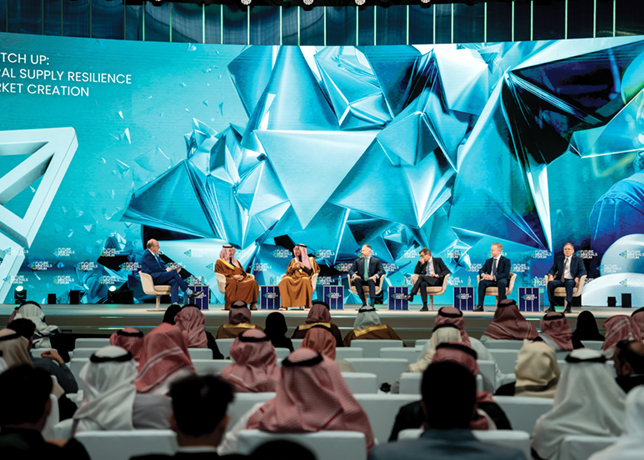
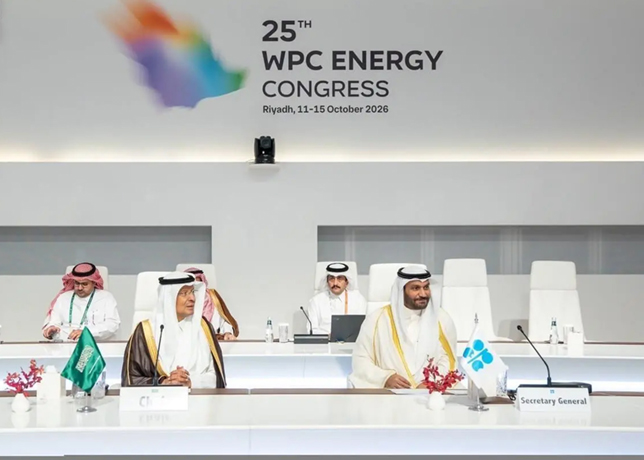
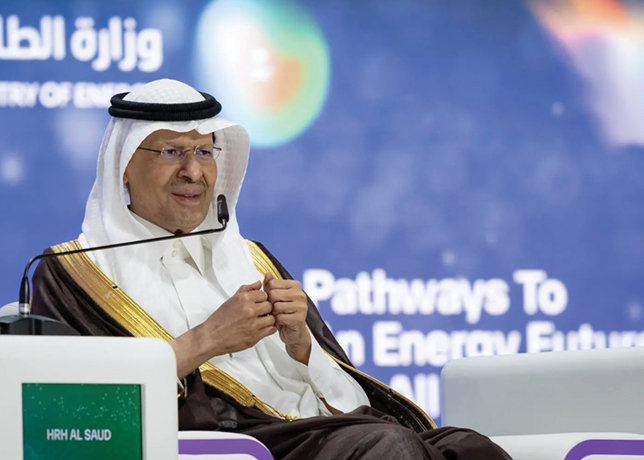
Speaking during a high-level ministerial dialogue on global oil and gas markets, Prince Abdulaziz bin Salman, Saudi Arabia’s Energy Minister, underscored the importance of strengthening energy resilience and maintaining flexibility in responding to market disruptions.
“The essence of how to attend to the crisis is that you have to focus on your resilience and creating options,” he said.
Amid shifting geopolitical currents and surging power demands driven by artificial intelligence, the overarching narrative in Riyadh was not merely about managing the energy transition, but about engineering systemic resilience long before the next major disruption materialises.
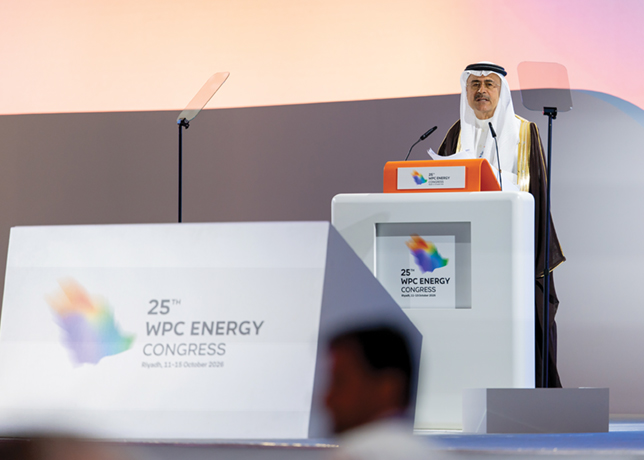
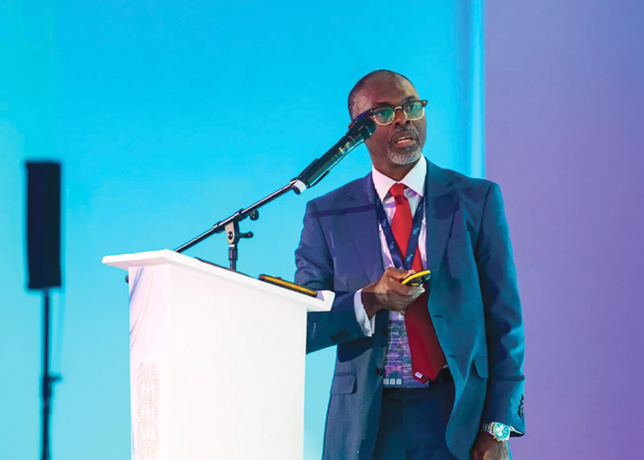
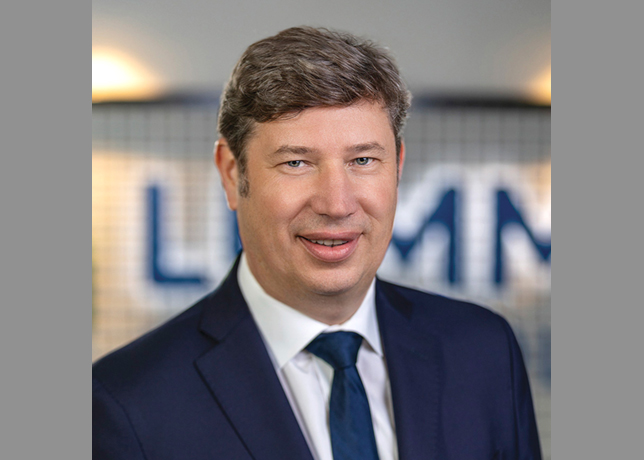
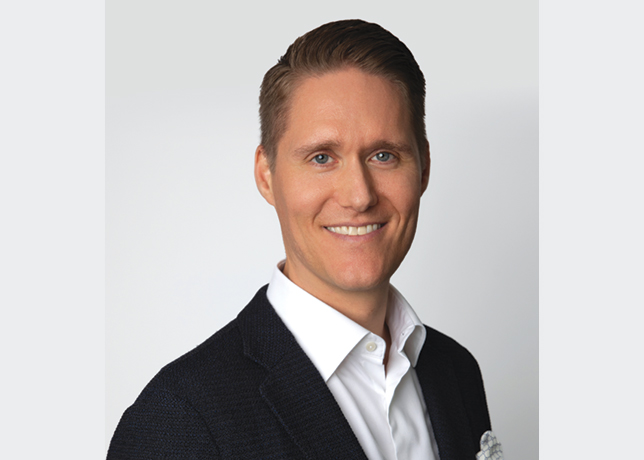
Amin Nasser
ENGINEERING RESILIENCE AGAINST STRUCTURAL DISRUPTION
The strategic tone for the congress was set during the opening addresses, where senior executives emphasised that operational security cannot be improvised during a crisis.
Delivering the opening keynote, Amin Nasser, President and CEO of Aramco, emphasised that resilient energy systems must be developed well before market disruptions occur.
“Resilience that is designed, engineered, and built long before a crisis is therefore crucial,” he said.
He highlighted Aramco’s investments in infrastructure, spare production capacity, alternative export routes, cybersecurity and operational flexibility as essential components of long-term supply security.
Nasser also said Aramco was studying additional crude oil export routes and expanding overseas storage capabilities in coordination with the Ministry of Energy.
“This crisis reinforces the need for practical, resilient pathways,” he added.
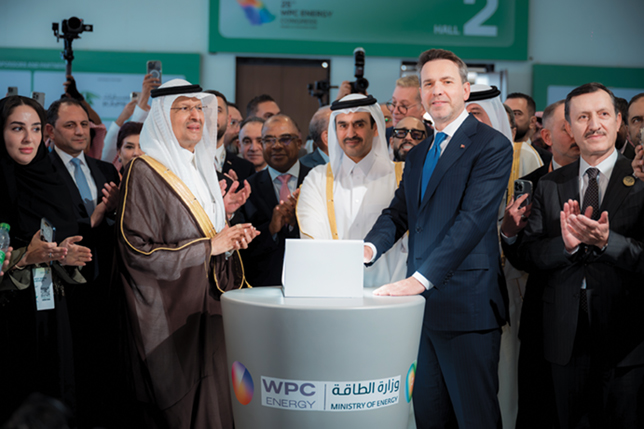
The WPC opening
He further highlighted Aramco’s plans to increase sales-gas production capacity by approximately 80 per cent by 2030 compared with 2021 production levels, alongside Saudi Arabia’s continued development of renewable energy.
This aggressive capacity expansion reflects a broader industry recognition that natural gas and traditional hydrocarbons will continue to underpin baseload reliability as intermittent renewable generation scales up.
Concurrently, the Public Investment Fund (PIF) and its portfolio companies are steering capital into over 30 gigawatts (GW) of renewable projects currently under operation or construction, demonstrating a dual-track strategy that pairs hydrocarbon security with aggressive green infrastructure deployment.
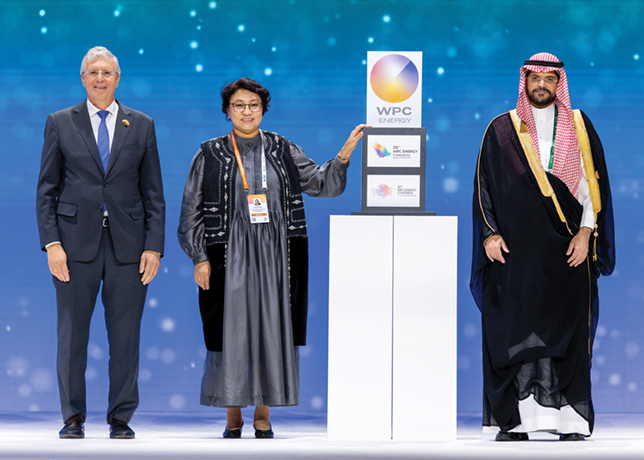
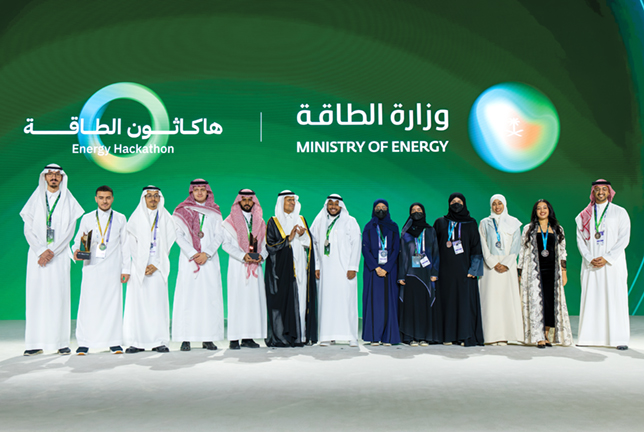
The WPC host handover to Kazakhstan
CROSS-BORDER CORRIDORS & THE GRID-INTELLIGENCE CRUNCH
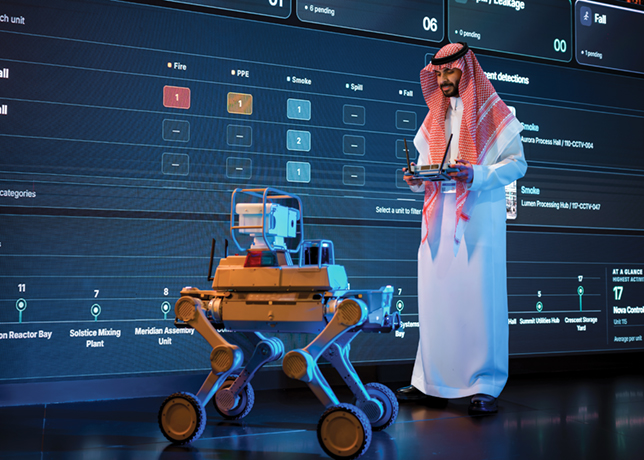
Beyond traditional upstream production, discussions in Riyadh pivoted sharply toward the physical constraints governing modern energy systems, particularly the collision between power grid capacities and soaring artificial intelligence data centre requirements.
In the “Energy and AI as Co-Enablers” session, speakers explored the growing interdependence between energy systems and artificial intelligence (AI).
Mazin Albahkali, CEO, Principal Buyer, said: “Energy infrastructure and data centres cannot move forward independently of one another.”
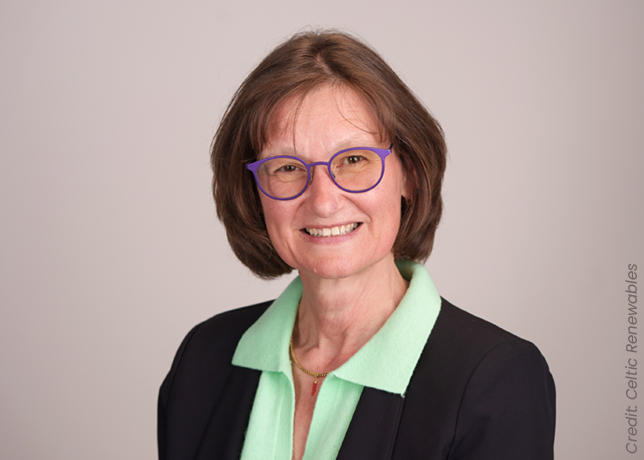
Dr. Margarete Schramboeck, former Minister of Economy and Digital Affairs of Austria and Board Member of Aramco Digital, noted: “The energy sector also needs artificial intelligence.”
This interdependence is forcing a re-evaluation of regional power pooling and transmission architecture.
A prime example of this infrastructural evolution was the signed agreement between ACWA Power and Mongolia’s Sun Steppe Power, which establishes a framework to explore a massive 4.5-GW cross-border renewable energy project supported by 500 megawatt-hours (MWh) of battery storage for export markets.
Similar integration efforts are taking root closer to the host nation, where progress on the Arab Common Electricity Market pilot project involving Saudi Arabia, Egypt, and Jordan highlights how regional grid interconnection is transitioning from policy dialogue into tangible cross-border asset development.
CAPITAL REALITIES THE DOWNSTREAM DECARBONISATION IMPERATIVE
This intricate balancing act between expanding supply and curbing emissions dominated technical and ministerial sessions alike, particularly within the downstream petroleum sector.
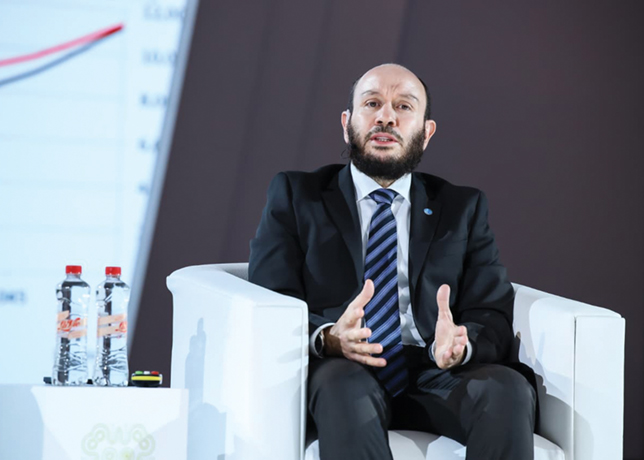
Pedro Miras, President of WPC Energy, reinforced the importance of sustained investment in securing the global energy future.
“There can be no successful energy transition without energy security, and no lasting energy security without sufficient, sustained investment across the energy system,” he said.
Participating virtually, US Secretary of Energy Chris Wright emphasised the strategic importance of reliable energy supplies.
“Energy security is both economic security and national security,” he said.



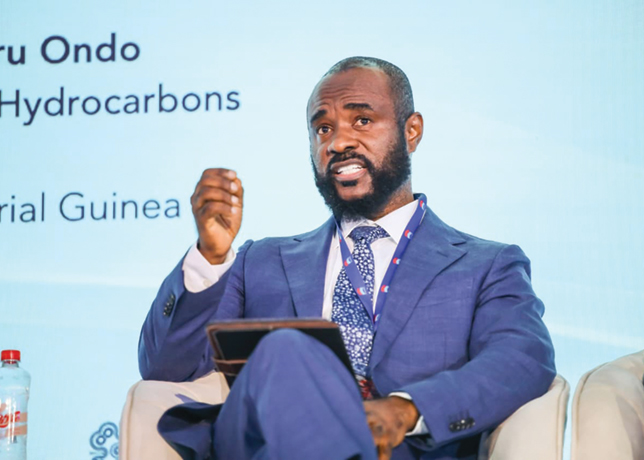
Mohamed Arkab, Algeria’s Minister of State and Minister of Hydrocarbons, added: “Energy security starts with investment, and if there is no investment, then there would be a problem.”
Meanwhile, Haitham Al Ghais, Secretary General of OPEC, highlighted Saudi Arabia’s contribution to global energy security, describing the Kingdom as an example of providing an “insurance policy for energy security”.
During the Organisation of Arab Petroleum Exporting Countries (OAPEC) symposium held alongside the main congress, Secretary General Khalid Al-Otaibi emphasised that downstream industries remain vital for industrial competitiveness and economic value creation across Arab economies.
Achieving this growth while meeting stringent environmental targets requires deploying advanced carbon capture, utilisation, and storage systems alongside artificial intelligence optimisation tools, as highlighted by Khalid Al-Mehaid, Saudi Arabia’s deputy minister of energy for sustainability and climate change.
Ministerial dialogues reinforced that these technological fixes rely entirely on consistent financial backing, ensuring that the industry leaves Riyadh facing a clear mandate to bridge the gap between transition rhetoric and physical execution through immediate capital deployment, robust cross-border cooperation, and uncompromising infrastructural foresight.
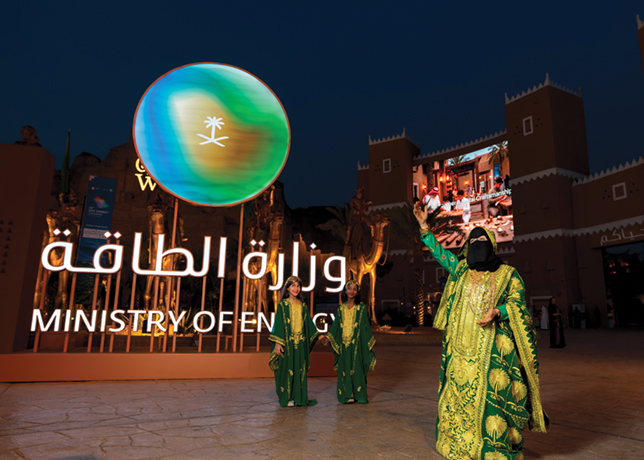
Beyond the conference programme, the ‘Saudi Night’ welcomed international delegates to the Saudi Pavilion at Boulevard World, offering an immersive introduction to the Kingdom’s cultural heritage.
Five regional zones showcased traditional performances, crafts, workshops and regional cuisine, celebrating Saudi Arabia’s cultural diversity and hospitality.
NEXT STOP FOR WPC: ASTANA
As the congress concluded, the formal handover established that Astana, Kazakhstan will host the 26th WPC Energy Congress from June 11 to 15, 2028, marking the first time the event will be held in Central Asia.