













































The Organisation of the Petroleum Exporting Countries (Opec) and non-Opec countries reaffirmed their commitment to oil market stability, calling for secure maritime routes to ensure uninterrupted energy supplies.
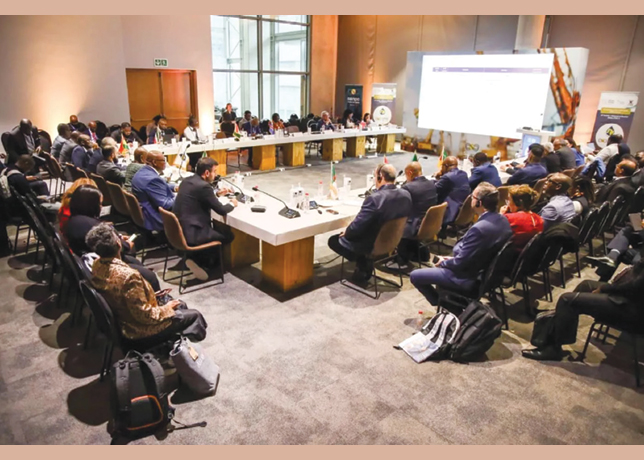
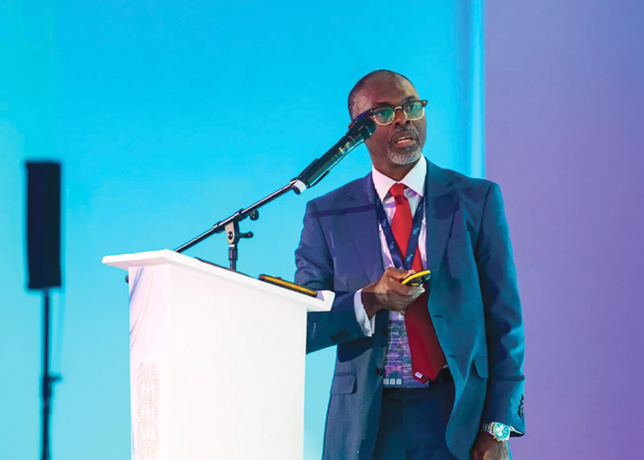
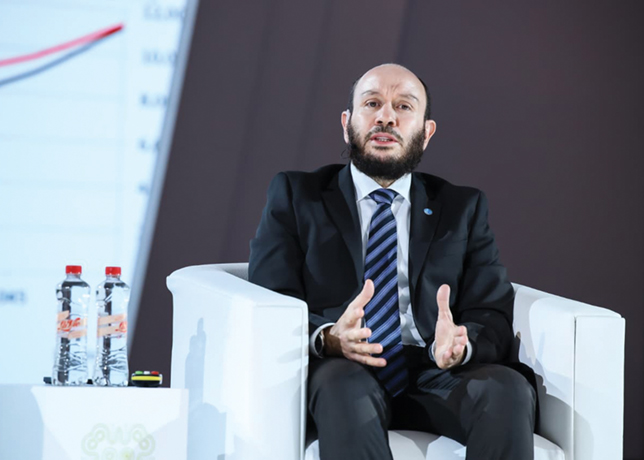
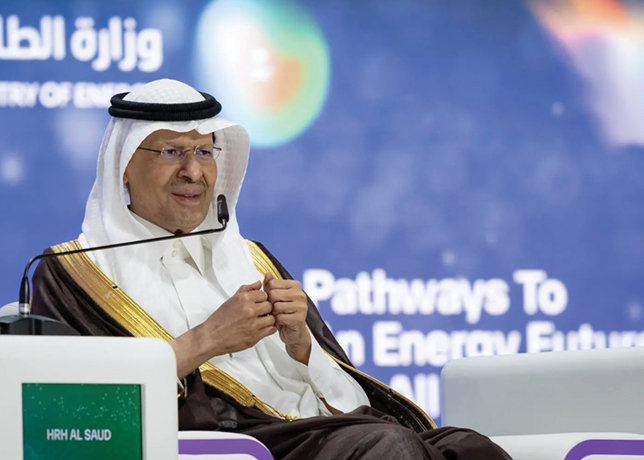
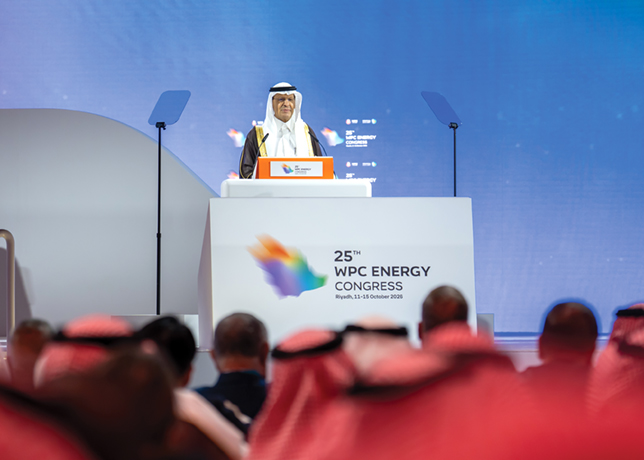
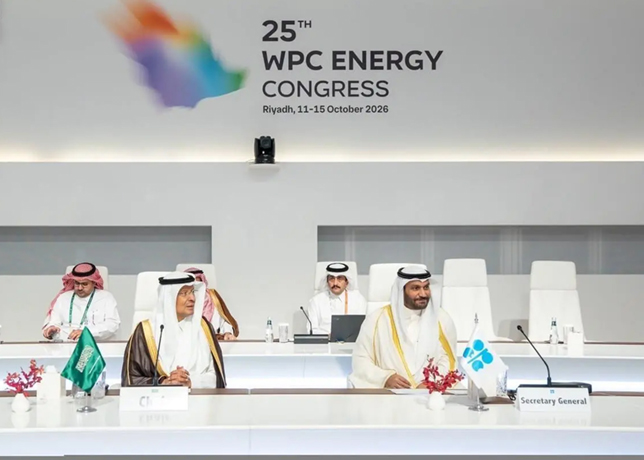
Meeting in Riyadh on October 12, alongside the 17th International Energy Forum ministerial meeting and the 25th WPC, ministers reviewed market conditions and agreed to continue consultations through established Opec+ mechanisms, including the Joint Ministerial Monitoring Committee (JMMC) and ministerial meetings.
They reaffirmed decisions made at the 41st Opec and non-Opec Ministerial Meeting on June 7, 2026, aimed at sustaining market stability.
Ministers warned that disruptions to energy flows had pushed shipping and insurance costs to unprecedented levels, exceeding one-third of commodity value.
Rising costs are delaying crude oil and petroleum product deliveries, increasing inflationary pressures and burdening producing and consuming countries.
They pledged to monitor developments and engage with governments, industry stakeholders and international organisations, including the International Energy Forum (IEF) and International Energy Agency (IEA), to improve shipping conditions.
Separately, Opec lowered its forecast for global oil demand growth in 2026 to 400,000 barrels per day (bpd), down from 1.4 million bpd estimated at the beginning of the year.
Haitham Al Ghais, OPEC Secretary-General, said the revision reflects developments during 2026.
He expects deferred consumption to support demand growth in 2027 as postponed purchases resume.
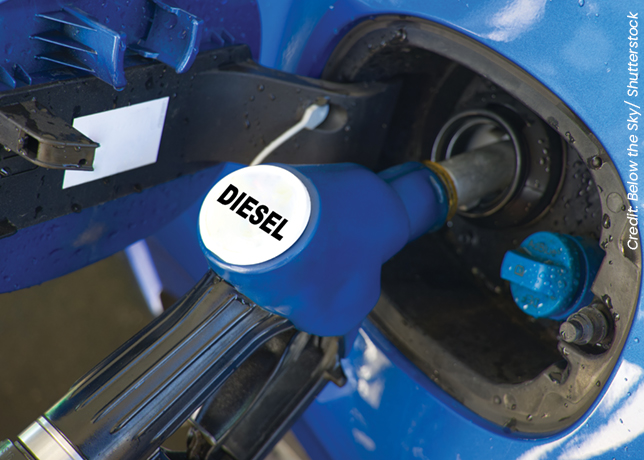
Market expectations are also being shaped by anticipated increases in Russian fuel supplies following US President Donald Trump’s announcement of an agreement to supply Russian diesel to American and global markets.
Reports of a potential Russia-Ukraine agreement to halt reciprocal attacks on energy facilities have further influenced market expectations and supply outlooks.