





















 Image by: AntonioSolano/ iStock
Investing in climate action and air pollution reduction together could generate around US$15 in economic benefits for every US$1 invested, according to a new report by the UN Environment Programme (UNEP) and the Climate and Clean Air Coalition (CCAC).
Released on the International Day of Clean Air
for blue skies, Hidden Assets: The Economic and Health Case
for Climate and Clean Air Action is the first comprehensive
global assessment of the economic benefits of tackling climate
change and air pollution through integrated action.
The report estimates that implementing
25 identified measures across key sectors could deliver annual
economic benefits equivalent to 2.8% of global GDP by 2035, 4.5%
by 2050 and 11.4% by 2100. Even excluding non-market welfare
benefits, the measures could generate around US$4 for every US$1
invested.
UNEP Executive Director Inger Andersen said: “For too
long, we have treated climate action as a cost to be managed
and air pollution as the unfortunate outcome of development.
This report shows the opposite: clean air is a key driver
of development, health, food and energy security, and climate
stability – an asset we must invest in.”
The report warns that every year of delayed
action could result in more than US$1.5 trillion in forgone
benefits annually, equivalent to about 0.5% of global GDP.
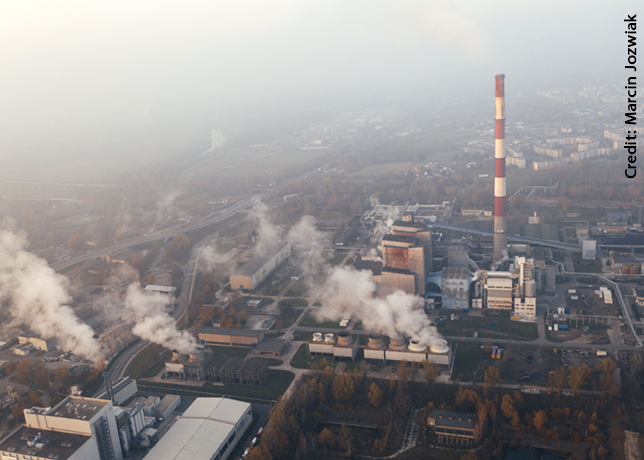
Air pollution represents a major economic and
health burden. In 2025, exposure to human-caused outdoor air
pollution, including PM2.5 and ozone, was linked to
an estimated 6.4 million premature deaths worldwide, while
household air pollution accounted for another 2 million deaths,
including around 300,000 children.
The 25 measures cover energy and fossil fuel systems, industry, transport, agriculture and food, residential cooking and heating, and waste management.
They include
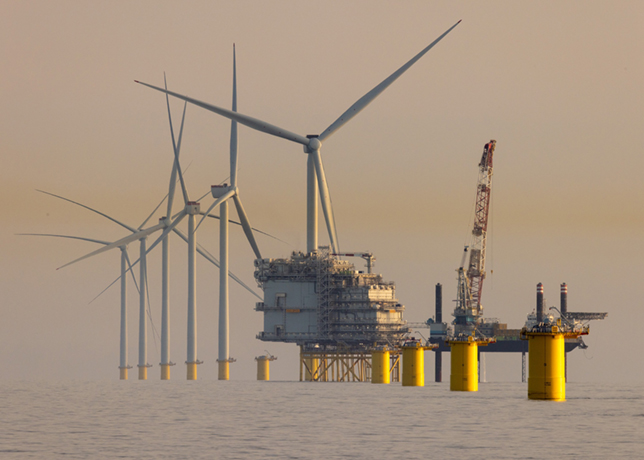
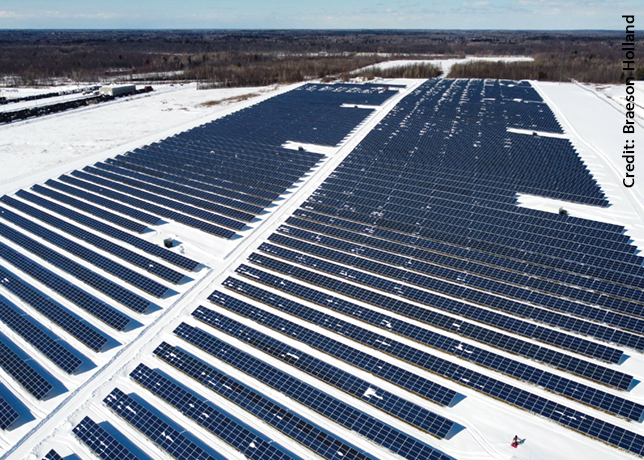
expanding renewable energy and energy efficiency, cleaner cooking
and heating, stricter vehicle standards, electric vehicles, reducing
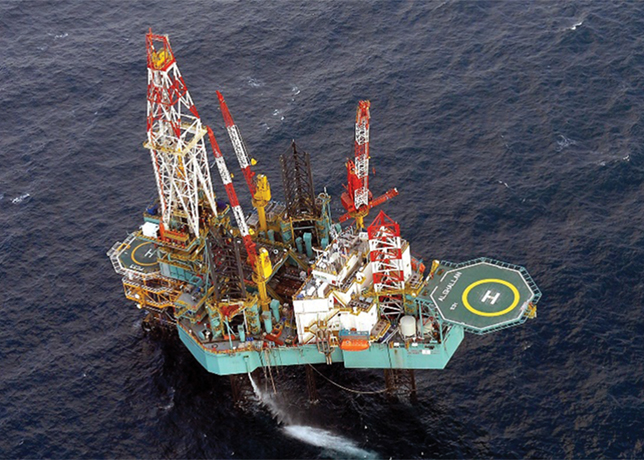
methane leaks and flaring, improved agricultural
practices, better waste management and phasing
down hydrofluorocarbons.
Full implementation could prevent an estimated 144
million air-pollution-related premature deaths by 2050, while reducing
millions of cases of chronic diseases.
The measures could also halve global carbon dioxide emissions by 2050, cut methane emissions by 60% and reduce major air pollutants by around 70%.
They could avoid approximately 0.34°C
of warming by 2050 and 1.4°C by 2100 compared with
the baseline scenario.
The report identifies fragmented decision-making, weak
enforcement and poor government coordination as major
barriers to implementation. Addressing these challenges could
accelerate deployment and unlock up to US$10 trillion in
additional health benefits by 2040.
It calls for integrated climate, air-quality, health and economic planning, stronger institutions and enforcement, and better alignment of public and private finance. -TradeArabia News Service