























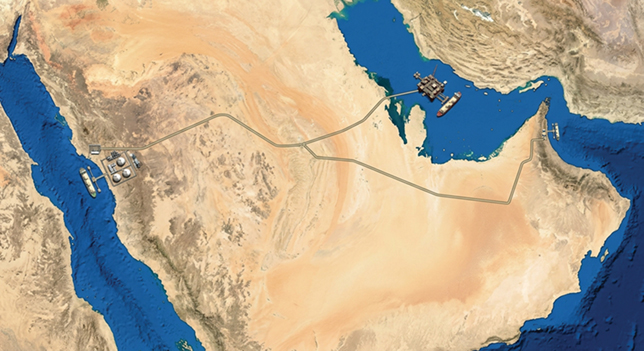
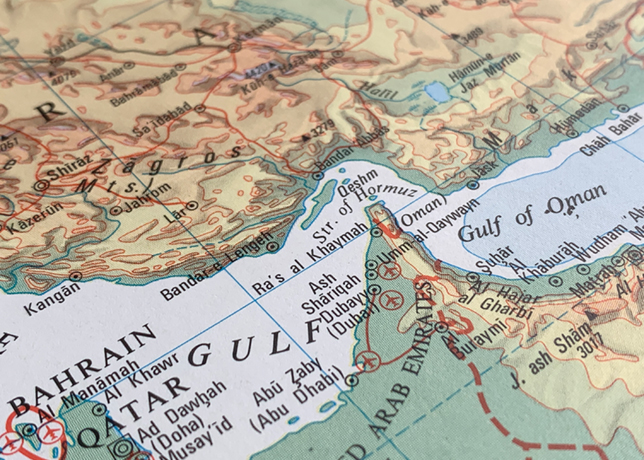
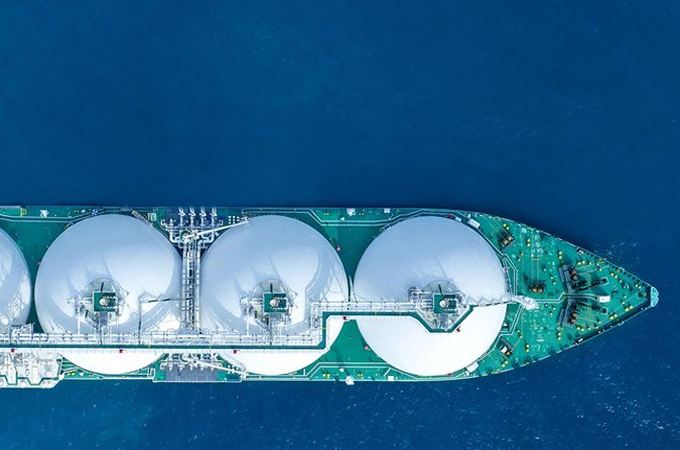
LNG buyers are preparing to significantly reshape procurement strategies in response to disruption in the Strait of Hormuz, with greater supply diversification and stronger contractual protections emerging as key priorities, according to a new McKinsey survey.
The findings are based on a pulse survey conducted in April
2026 among 30 LNG buyers representing oil and gas companies, integrated energy
firms, trading houses, and power and gas utilities across 14 countries.
Together, the markets surveyed account for around 80 per
cent of global LNG demand.
Around 80 per cent of respondents expect their LNG
procurement strategies to change because of the disruption, with roughly half
anticipating incremental adjustments and the remainder expecting more
structural changes.
Buyers in Asia indicated a greater likelihood of significant
changes compared with their European counterparts.
One respondent said, “There is a shift from cost minimisation
to prioritising security of supply.”
Geographic diversification emerged as the most widely
planned response, cited by 93 per cent of respondents.
All respondents in China and other Asian markets, and 80 per
cent of those in Europe, Japan and Korea, said they plan to increase the number
of suppliers and diversify sourcing geographically over the next two to three
years.
Flexibility, portfolio optimisation and stronger contractual
protections are also expected to gain importance.
More than half of respondents, or 52 per cent, anticipate
strengthening contractual protections, with force majeure provisions identified
as the leading priority.
“We will revisit the terms and conditions of triggers of
force majeure,” one respondent said, highlighting the growing focus on
contractual safeguards.
Companies are also investing in physical resilience.
Some 66
per cent of respondents said businesses are increasing investment in measures
including storage infrastructure, shipping, upstream equity, floating storage
and regasification units, regasification capacity and interconnectors.
Despite the heightened volatility, LNG buyers remain
relatively confident in their capabilities.
However, only 28 per cent globally consider their trading
capabilities fully sufficient for the current level of volatility, while 25 per
cent say the same of their risk management capabilities.
McKinsey said the findings point to a lasting shift in LNG procurement, with companies balancing cost considerations against security of supply, flexibility and resilience. -OGN/TradeArabia News Service