

























































Oil prices held around $108 a barrel on Wednesday, near a four-month high, as markets grappled with mounting concerns over global energy supplies following the shutdown of Saudi Arabia's East-West oil pipeline and continuing attacks on key oil and shipping routes in the Middle East.
Brent crude was trading around the $108 level after settling at $108.75 a barrel on Tuesday, its highest close since May 19. US West Texas Intermediate also remained above $105 after surging more than 4% in the previous session.
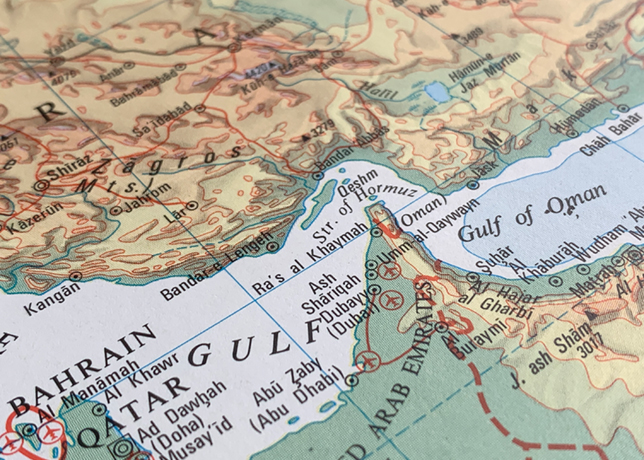
The latest price move reflects growing concern that the disruption is beginning to remove the buffers that have allowed global oil markets to absorb the loss of normal flows through the Strait of Hormuz.
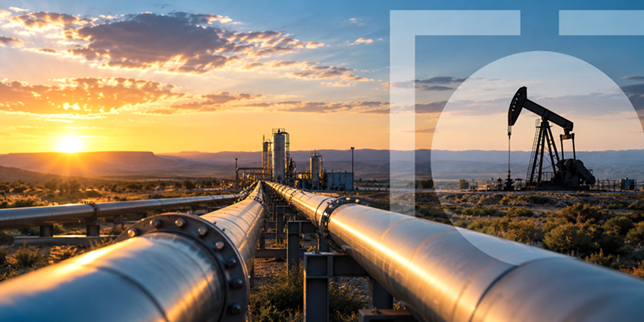
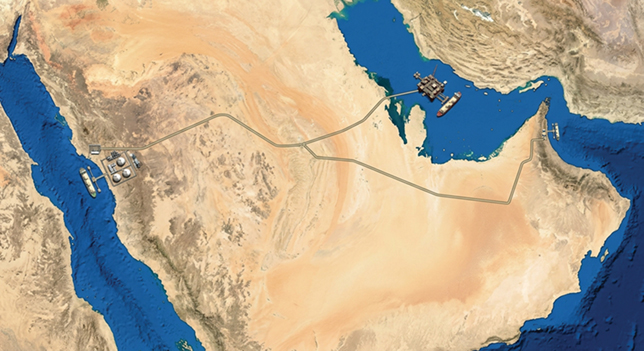
Saudi Arabia's East-West pipeline is particularly important because it provides an alternative route for moving crude from the kingdom's eastern oilfields to the Red Sea, bypassing Hormuz. The pipeline has been taken offline following an attack, while Saudi Arabia has also suspended crude loadings at its Red Sea export hub of Yanbu and cancelled some oil cargoes to European customers.
The outage has therefore created a new vulnerability in the global oil system at a time when shipping through Hormuz is already severely disrupted.
The pipeline can transport millions of barrels of crude a day, making its continued closure potentially significant for international supplies if repairs take longer than expected. Estimates of the repair period have varied considerably, from several days to several weeks, underscoring the uncertainty facing traders.
That uncertainty is now central to the oil market.
The concern is not necessarily that the entire pipeline capacity has been permanently lost, but that Saudi Arabia has fewer options for getting crude to international buyers while the main Gulf shipping route remains under pressure.
At the same time, fresh attacks by Iran-aligned Houthi forces have raised concerns over the security of Saudi energy infrastructure and the Red Sea route. The wider disruption is being compounded by problems in Libya, where production at several oilfields has been halted amid local protests.
The result is a market increasingly sensitive to any further disruption.
Oil had already risen sharply before the Saudi pipeline outage, with Brent gaining around $3 on Tuesday alone after reports of the Yanbu disruption and cancelled Saudi cargoes. Both Brent and WTI ended the session at their highest levels in about four months.
The pressure is extending beyond crude.
Higher oil prices are feeding into fuel markets, with diesel prices in the US reaching record levels, while the prospect of prolonged energy inflation is adding to concerns in financial markets. The oil shock is also complicating the outlook for central banks, which must weigh persistent inflationary pressure against weaker economic activity.
For the moment, the market is still functioning and crude is continuing to reach international buyers. But the margin for absorbing another major disruption is becoming increasingly narrow.
The longer the East-West pipeline remains shut, the more the market will have to rely on already constrained alternative routes and existing inventories. That is the central concern behind Brent's move around $108 a barrel.
With Hormuz traffic severely reduced, the East-West pipeline offline and the Red Sea facing renewed security threats, traders are increasingly focused not only on how much oil is being produced, but on how much can actually be moved to the markets that need it.