





















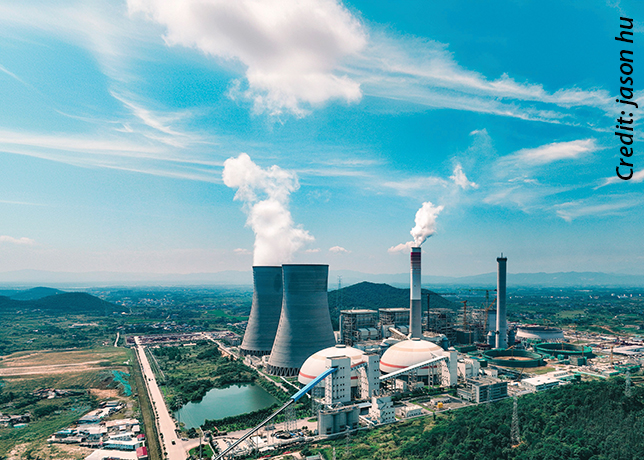





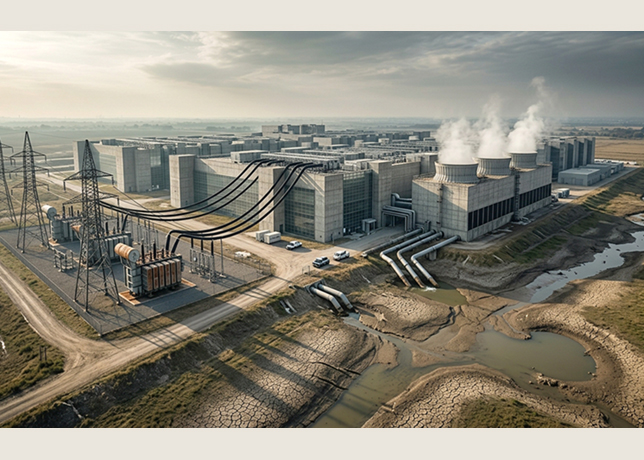









Record-low water levels in the Danube forced thermal power plants across Central Europe to reduce output or shut down in August, highlighting growing challenges for electricity systems facing hotter and drier conditions.
Hungary’s Paks nuclear power plant, which normally supplies
about 45 per cent of the country’s domestic electricity, saw output fall to
just 9 per cent of capacity.
Romania’s Cernavodă nuclear plant was completely shut down
on August 14.
Hungary responded by
asking industrial users to reduce electricity consumption and restricting some
transport services.
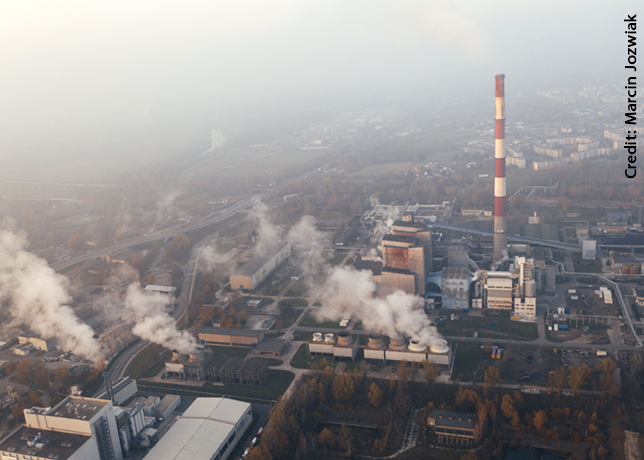
The disruption was not limited to nuclear power. Coal-fired
and gas plants using steam cycles also require cooling systems to condense
steam after electricity generation.
Once-through systems draw water from rivers, lakes or seas,
while cooling towers reduce withdrawals but consume more water through
evaporation.
Dry cooling requires significantly less water but involves
higher costs and can reduce plant output.
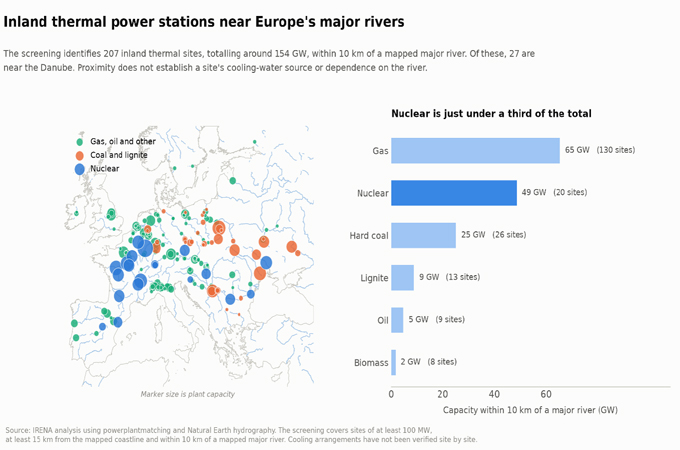
The International Renewable Energy Agency (IRENA) has
identified 207 inland thermal power stations in Europe, with combined capacity
of 154 gigawatts, located within 10 kilometres of a major river.
Nuclear plants account for almost one-third of this
capacity, while 27 facilities are located near the Danube.
Heatwaves can restrict cooling by reducing river levels and
raising water temperatures. Environmental regulations can also limit the amount
of heat plants are permitted to discharge into waterways.
Other vulnerabilities can emerge independently: in France,
jellyfish blocked cooling-water intake screens at a coastal nuclear plant,
forcing three reactors offline.
Hungary’s experience also demonstrated the role of a
diversified power mix.
Between July 19–27 and August 2–10, average Paks output fell
90 per cent, from 1,826MW to 178MW, according to ENTSO-E data.
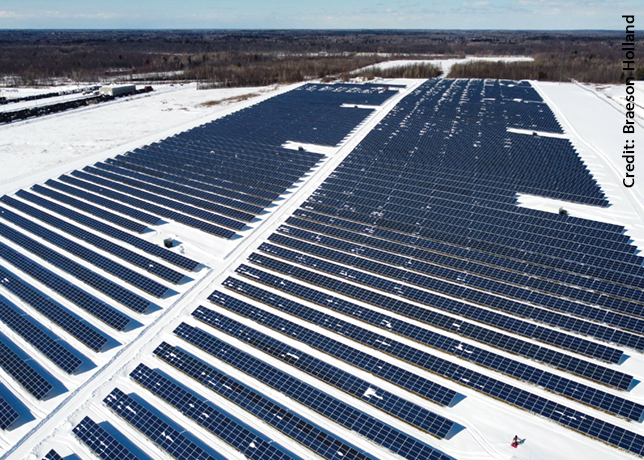
Meanwhile, Hungary’s more than 8GW of solar capacity
produced enough electricity in early August to cover about 81 per cent of
national demand at midday.
As solar output increased, however, the system faced greater
pressure after sunset.
Between 6pm and 10pm, net imports supplied an estimated 60
per cent of demand, compared with 43 per cent before the Paks reduction, while
gas generation increased to about 20 per cent from 6 per cent.
The impact was also reflected in electricity prices. Average
noon day-ahead prices rose by €26 ($30) per megawatt-hour to €60, while 7pm
prices increased by €112 to €282.
Energy storage could help shift surplus midday solar
generation into evening hours, reducing reliance on gas and imports.
Hungary has announced investments in storage and grid
infrastructure, although storage cannot address every seasonal challenge.
The broader European experience points to the importance of
diversification.
Solar generation increased during heatwaves in several major
markets, while hydropower output remained below its five-year average in seven
of the EU’s eight largest hydropower producers in July.
IRENA says resilient power systems require stronger grids, energy storage, distributed generation, interconnected markets and demand flexibility as Europe adapts to increasingly hot and dry conditions. -OGN/TradeArabia News Service