






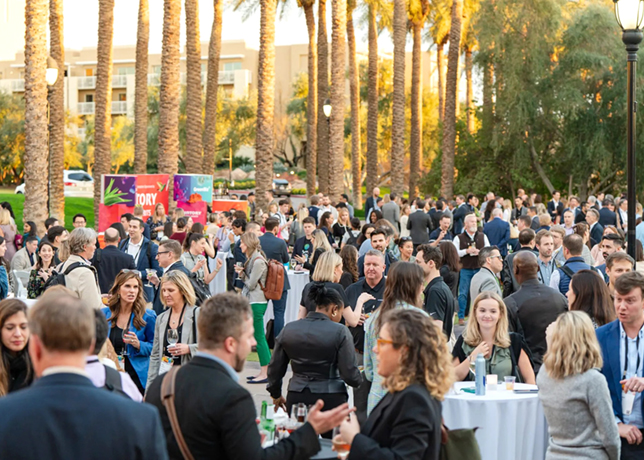
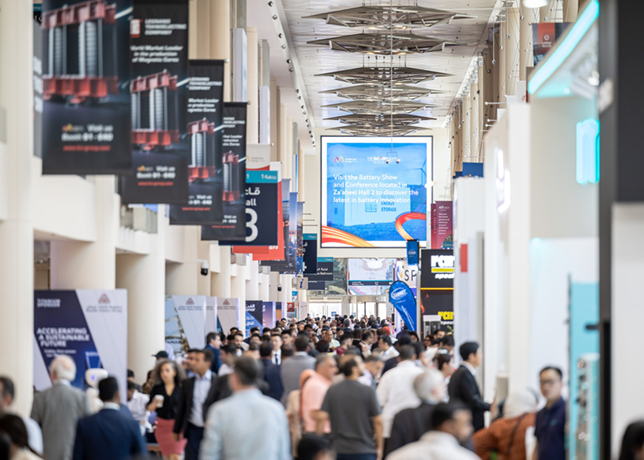
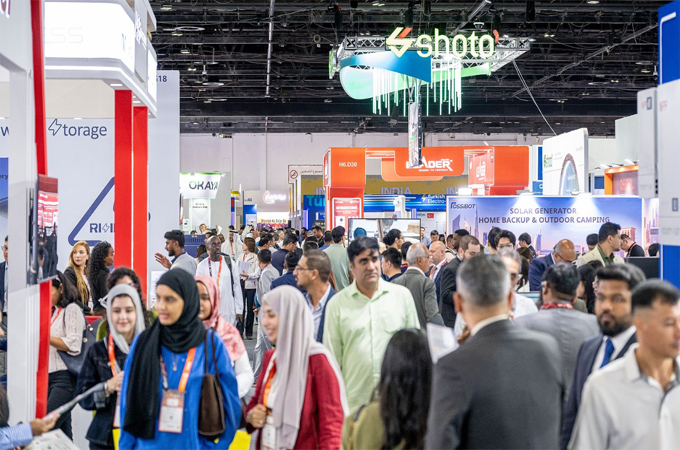
Middle East Energy 2026 has concluded its 50th edition at Dubai World Trade Centre, drawing more than 39,000 energy professionals from over 150 countries and highlighting the region’s growing role in the global energy transition.
More than one-third of attendees travelled from outside the
Middle East, while visitors from the Gulf Cooperation Council (GCC) accounted
for 64% of total attendance, underlining Dubai’s position as a major
international hub for the energy industry.
Held under the patronage of the UAE Ministry of Energy and
Infrastructure, with support from the Dubai Department of Economy and Tourism
(DET), the event brought together companies and decision-makers across the
energy value chain.
Exhibitors showcased solutions spanning power generation,
transmission and distribution, backup power, energy storage and efficiency.
International participation included companies from Asia,
Africa and Europe, reflecting continued interest in the Middle East’s expanding
energy infrastructure market and the opportunities associated with new projects
across the region.
Yaser Humaidan, Minister of Electricity and Water Affairs,
Kingdom of Bahrain, said: “Middle East Energy has always been more than an
exhibition or a conference. It exists to showcase progress on infrastructure
plans, to convert conversations into formal partnerships, and to accelerate the
projects that will define the next generation of energy leadership.”
Ahmed Al Kaabi, Assistant Undersecretary for the
Electricity, Water, and Future Energy Sector at the Ministry of Energy and
Infrastructure, said: “Over five decades, the Middle East Energy exhibition has
solidified its role as an international platform that brings together
decision-makers, energy sector leaders, investors, and technology providers in
the UAE. It paves the way for partnerships and solutions that support the
evolution of the energy sector and keep pace with its growing needs.”
He added: “The exhibition gains increasing importance in
light of the UAE's expansion in clean energy projects, the development of power
grids, the enhancement of energy and water efficiency, and the deployment of
digital technologies and artificial intelligence. These efforts support the
construction of a secure, resilient energy ecosystem capable of keeping pace
with future growth.”
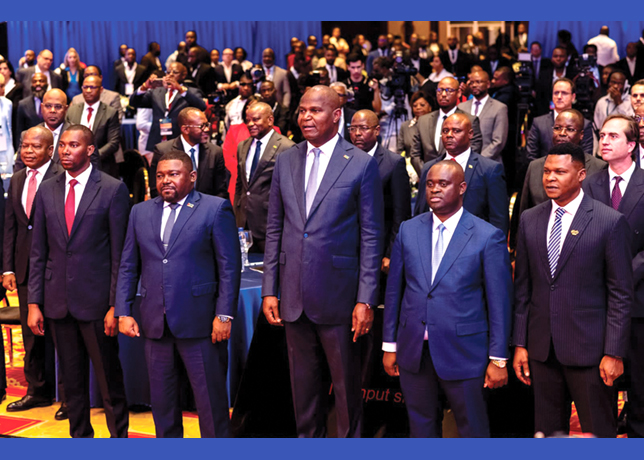
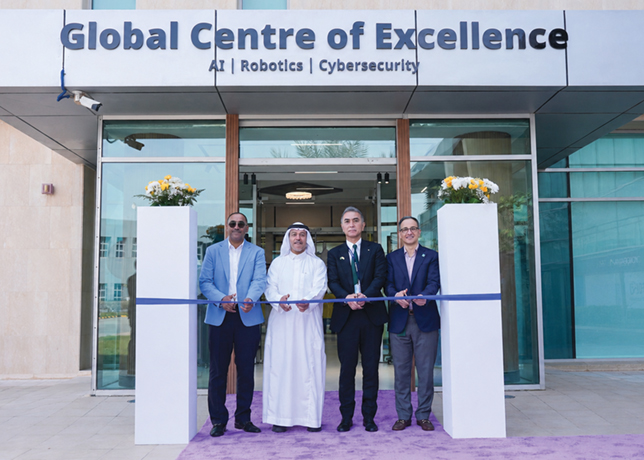
The 50th edition opened with a high-level ceremony led by Sheikh
Ahmed bin Saeed Al Maktoum, who officially opened the event alongside Suhail Al
Mazrouei, Minister of Energy and Infrastructure, and David Lynn, CEO of inD,
before touring the exhibition floor.
The Leadership Summit brought together policymakers,
investors and executives from across the global energy and technology sectors.
Participants included Yaser Humaidan; Bruce Johnson,
Director - Corporate Finance & Treasury at Masdar; Joseph Tegbe, Federal
Minister of Power, Nigeria; Mina Arif, General Manager MEA at Microsoft; and
Francesco La Camera, Director General of the International Renewable Energy
Agency (IRENA).
A key theme throughout the event was the need for closer
cooperation between governments and the private sector.
Speakers and delegates highlighted public-private
partnerships as an important mechanism for developing new power projects and
meeting rapidly rising electricity demand.
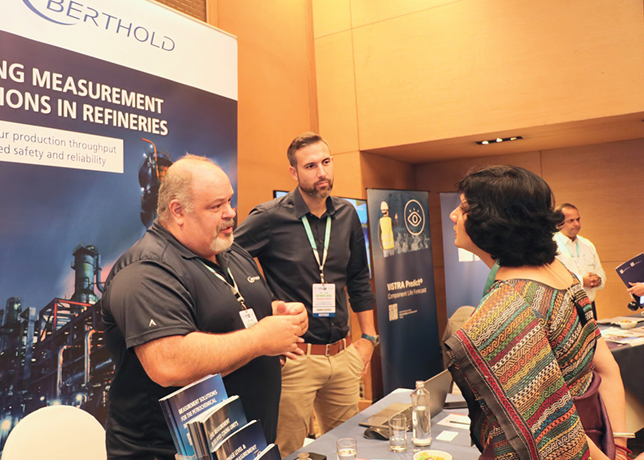
The event also provided a platform for companies across the
interconnected energy value chain to exchange ideas, form partnerships and
connect investment with projects.
Attendees represented $98 billion in live energy projects,
more than double the $45 billion represented at the 2025 edition.
The increase was particularly evident through the Energy
Club, Middle East Energy’s exclusive VIP programme.
It brought together senior decision-makers from
organisations including the World Bank Group, Blackstone, Masdar, ADNOC,
Microsoft, Mitsubishi Power EMEA, Infinity Power, TAQA, KEC International, the
African Development Bank and Rwanda Energy Group.
The growing electricity requirements of artificial
intelligence and data centres were another major focus.
A fireside discussion, titled “Powering the AI Era: Building
Sustainable Data Centres for the Future of Energy”, brought together Khalifa
Almheiri, Acting Chief Operating Officer at Masdar, and Khalid Bin Hadi, CEO of
Siemens Energy UAE, with Sevayash Rahnema, Partner at Pinsent Masons, serving
as chair.
The focus on AI-related power demand will continue at the
2027 edition through the launch of Powering AI, an event experience centred on
the energy infrastructure needed to support the rapid expansion of digital
infrastructure.
The 50th anniversary edition also introduced the inaugural
Dubai Global Leaders Series, held in partnership with the Dubai Department of
Economy and Tourism and inD.
The initiative brought policymakers, investors and
technology leaders together for closed-door discussions on the future of the
region’s energy landscape.
The programme forms part of an exclusive partnership that
will see leadership meetings, roundtables and summits hosted at major inD
events across Dubai.
Another new initiative, Powered By Her, was launched with
the backing of the UAE Ministry of Energy & Infrastructure.
The programme brought together Founding Ambassadors to
discuss opportunities for the next generation of women working in the energy
sector.
Building on momentum from COP30, Middle East Energy also
hosted the Ministry of Energy & Infrastructure’s first Global Energy
Efficiency Alliance (GEEA) Executive Technical Roundtable.
The meeting brought together Sharif Al Olama and 30 CEOs
from the global energy industry to discuss turning energy-efficiency
commitments into practical action.
The roundtable was followed by the signing of a declaration
by Honeywell, Schneider Electric, Hitachi Energy, Siemens Energy and Net0,
which joined the Global Energy Efficiency Alliance.
Energy storage was also a prominent theme at the event as
countries across the Middle East accelerate renewable energy deployment and
seek more flexible power infrastructure.
Trina Storage, a global energy storage solutions provider
and business unit of Trinasolar, said: “Energy storage is becoming increasingly
critical to the Middle East’s evolving energy landscape as countries accelerate
renewable energy deployment and invest in more flexible, resilient power
infrastructure. As deployment accelerates, collaboration between technology
providers, utilities, developers and policymakers will be essential to ensure
projects can be delivered at the scale and speed required. Middle East Energy
provides an important platform for bringing these conversations together and
advancing the partnerships needed to support the next phase of the region’s
energy development.”
Jack Chen, Head of Energy Storage, MEA Region at Trinasolar,
made the comments during the event.
The exhibition also highlighted emerging companies and
technologies through the Innovation Challenge, which brought new solutions
before industry leaders and investors.
Exhibitor Awards recognised companies and technologies
across the exhibition floor.
Mark Ring, Group Director, Energy, inD, said: “Middle East
Energy has always been about bringing together the global energy community to
share ideas, showcase innovation, connect with capital and partners, and drive
progress. As demand for power continues to accelerate, this 50th edition of
Middle East Energy demonstrated the scale of opportunity ahead for the region
and the global companies seeking to participate in its energy transformation.
Fifty years in, the event has built partnerships in every corner of the world,
from established players, global policy makers to start-ups and innovators, who
come to do business here in Dubai. That’s the real measure of this show’s
success, and we’re proud to continue to play our part in helping turn
possibility into power,”
The 2026 edition positioned Middle East Energy as both a
marketplace for energy infrastructure and a forum connecting policy,
investment, technology and commercial opportunities.
The event will return to Dubai from May 11-13, 2027 at Dubai Exhibition Centre. -OGN/TradeArabia News Service