


























Electricity systems are becoming increasingly low-carbon and diverse, but generation costs are also rising, according to a new analysis by the Nuclear Energy Agency (NEA) and Electric Power Research Institute (EPRI).
The report, The Costs of Generating Electricity 2025,
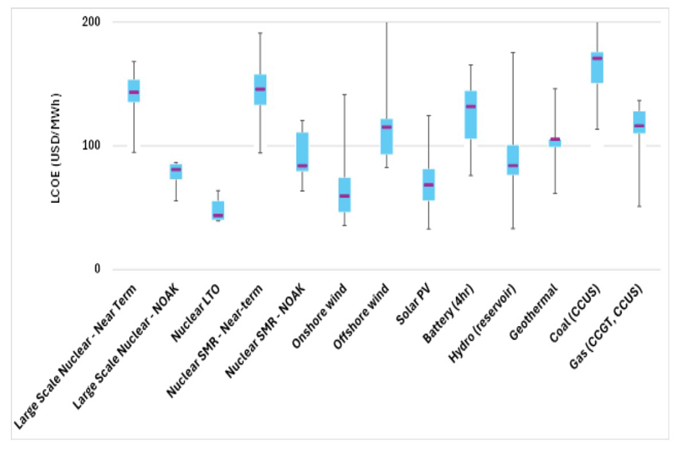
provides internationally comparable data on the levelised cost of electricity
(LCOE) across 21 NEA member countries and 23 technologies. It finds that
electricity generation now costs $100 per MWh or more in most countries,
particularly for low-carbon technologies.
Long-term operation of existing nuclear plants, hydropower,
and onshore wind and solar photovoltaic technologies, when system costs are
excluded, remain among the options below that level.
The analysis combines EPRI’s engineering-based cost database
with NEA expertise on electricity system costs.
It highlights that plant-level generation costs do not
capture wider factors such as reliability, flexibility, network requirements
and integration costs.
“There is no single technology that can meet every country's
energy needs in every circumstance,” said William Magwood, IV, NEA
Director-General. “Countries will need to make policy and investment choices
that reflect their own priorities, resources and electricity systems. The data
and analysis in this report can support those decisions.”
“As energy systems evolve, understanding the costs,
performance characteristics and system implications of different technologies
is important for informed planning,” said Steve Chengelis, EPRI Vice President,
Energy Supply Nuclear Development and Fusion. “This report provides
transparent, internationally comparable data and analysis to help policymakers,
utilities, developers and other stakeholders evaluate options and support
informed energy planning and investment decisions.”
The report also identifies growing interest in technologies
including geothermal, biomass, battery storage, hydrogen-fired gas turbines and
fossil-fuel plants equipped with carbon capture, utilisation and storage
(CCUS), reflecting the challenge of balancing affordability, energy security,
reliability and emissions reduction.
Nuclear power remains a focus, with the analysis covering
large-scale reactors, small modular reactors and long-term operation of
existing plants.
It finds that first-of-a-kind projects can face higher costs
due to supply-chain constraints, workforce shortages and limited recent
construction experience, while costs can decline as standardised designs are
deployed repeatedly.
Renewables remain competitive at plant level.
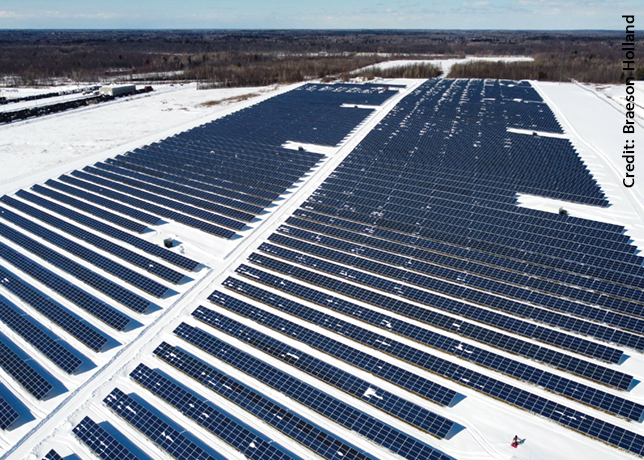
Utility-scale onshore wind and solar PV continue to record
attractive costs in many countries, although the report found no significant
additional cost reductions compared with previous analysis.
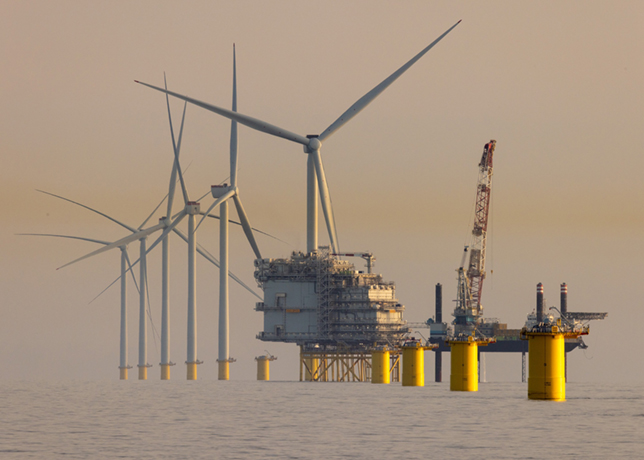
Offshore wind remains relatively expensive, while geothermal
can provide competitive, dispatchable low-carbon electricity where suitable
resources exist.
The report stresses that technologies should be assessed
within the wider electricity system rather than through LCOE alone.
It points to combinations of nuclear and renewables,
supported by battery storage, hydropower, gas generation, potentially with CCUS
or hydrogen, demand response and electricity interconnections, as possible
components of resilient and cost-effective systems.
The optimal technology mix, however, varies according to
each country’s resources, infrastructure, energy security requirements and
electricity system characteristics. -OGN/TradeArabia News Service