






































Oil prices climbed sharply on Monday, with Brent crude rising $2.59 to around $106.90 a barrel, as uncertainty over US-Iran diplomacy renewed concerns about the future of oil shipments through the Strait of Hormuz.
US West Texas Intermediate crude was also higher, having risen 70 cents to $94.03 early Monday.
The rise followed US President Donald Trump’s rejection of Iran’s latest proposal aimed at ending the conflict and reopening the strategic waterway, although Trump subsequently said he expected US negotiators to hold further talks with Tehran this week.
The renewed diplomatic uncertainty has put the focus back on the Strait of Hormuz, through which oil flows have begun recovering after months of severe disruption. Preliminary Kpler data showed crude exports from key Middle Eastern producers rising to 12.8 million barrels per day in September, the highest since the US-Israeli war with Iran began in February.
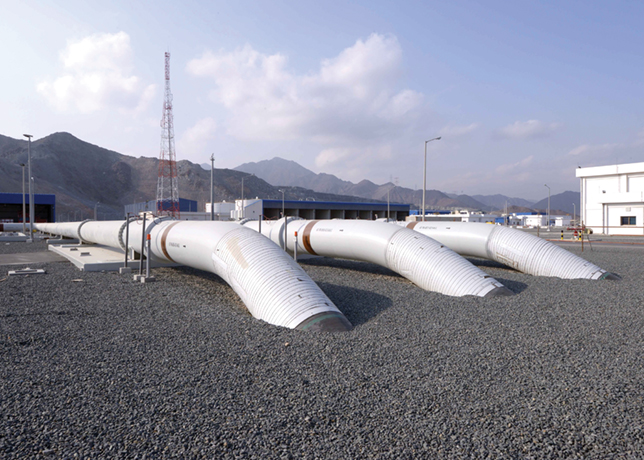
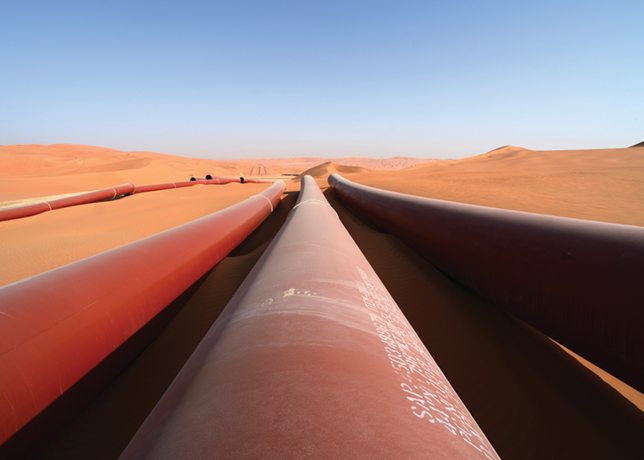
The market had eased earlier this month on hopes that the Strait could be reopened and that Saudi Arabia could restore alternative export routes. Brent fell below $100 last week after Iran signalled that it could reopen the waterway under certain conditions and Saudi Arabia resumed operations on its East-West pipeline.
Those hopes have weakened following Trump's rejection of Tehran's latest proposal. Iran has said that reopening Hormuz is linked to conditions including an end to the US naval blockade and a negotiated diplomatic settlement. Iranian Foreign Minister Abbas Araghchi said on Sunday that Tehran remained ready for diplomacy.
The conflicting signals leave oil markets particularly sensitive to developments around the waterway. Any sustained improvement in US-Iran negotiations could ease the risk premium, while a breakdown in talks or further attacks on regional energy infrastructure could put additional pressure on already disrupted supplies.