









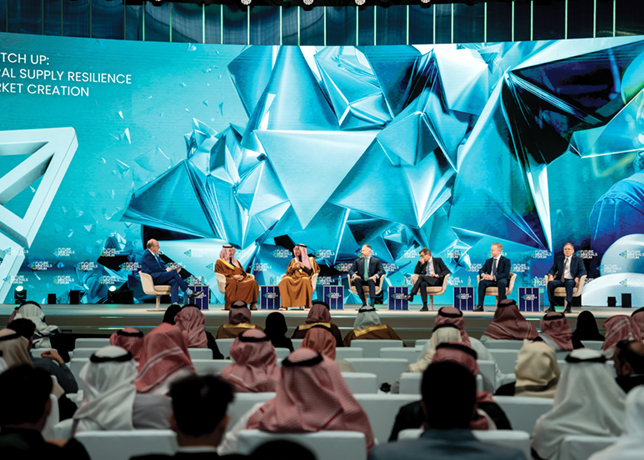
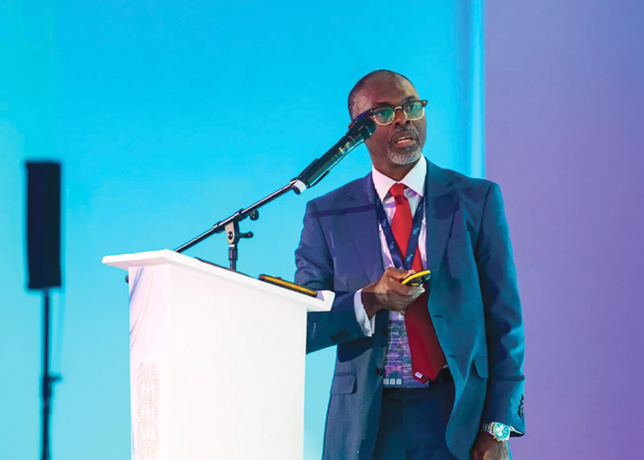
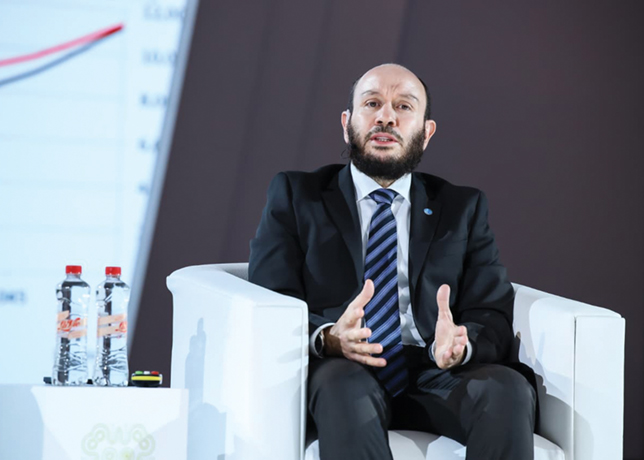








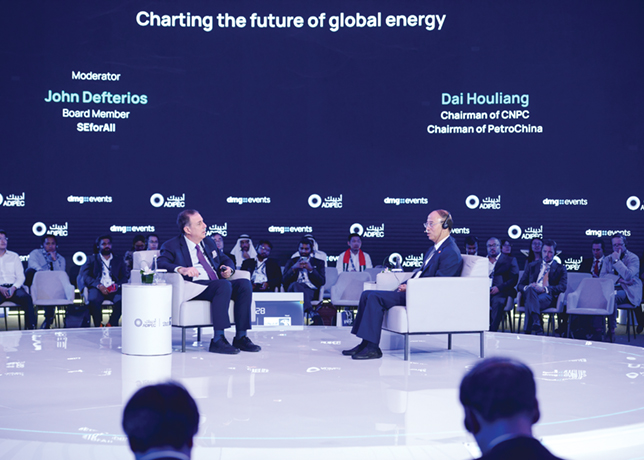
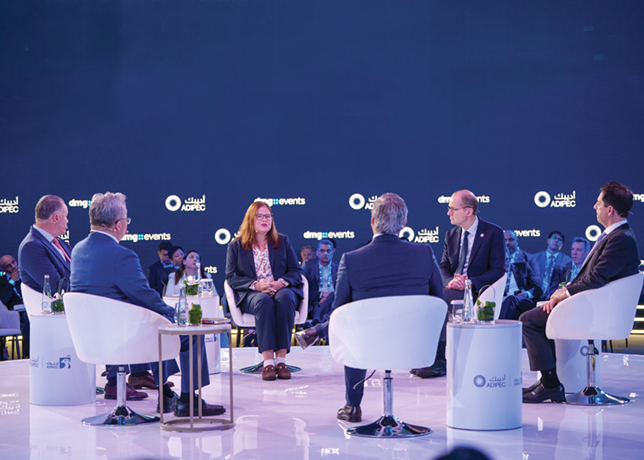
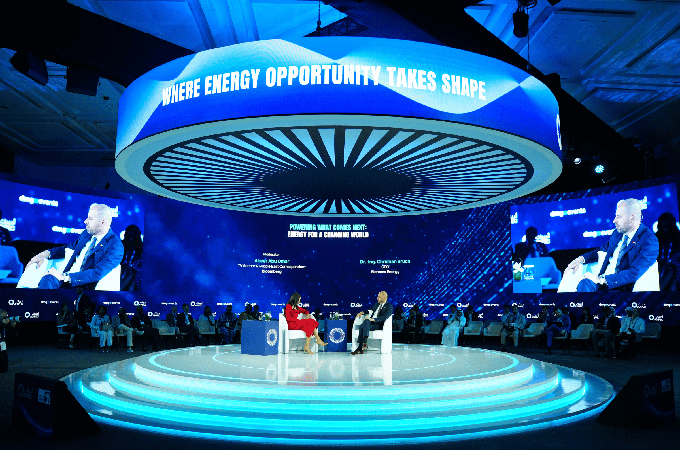
Day two of ADIPEC 2026 focused on strengthening global energy infrastructure, with ministers, CEOs and industry leaders calling for greater investment in grids, transmission networks, storage and supply chains to meet rising demand and improve energy security.
Discussions centred on
the need to modernise energy systems as industrial electrification, expanding
economies and artificial intelligence (AI) drive electricity consumption
higher. Speakers highlighted the importance of international collaboration,
diversified supply chains and resilient infrastructure to ensure reliable
energy delivery amid growing geopolitical and logistical uncertainty.
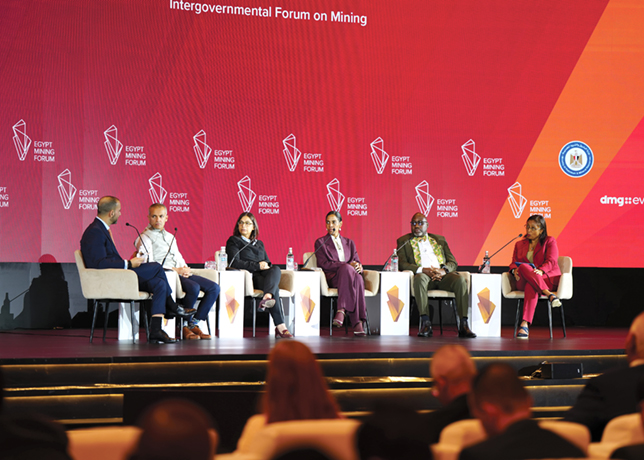
During the ministerial
panel, ‘Beyond borders: can national energy strategies deliver a connected
global system?’, ministers examined how national energy priorities could be
aligned to support a more connected and secure global energy system.
Karim Badawi, Minister
of Petroleum and Mineral Resources of Egypt, said: "The world needs more
energy, and unlocking and delivering this energy can only be done through
collaboration and partnership. No single country or company can do this alone. Collaboration
and partnership are the essence of unlocking these opportunities."
The need to strengthen
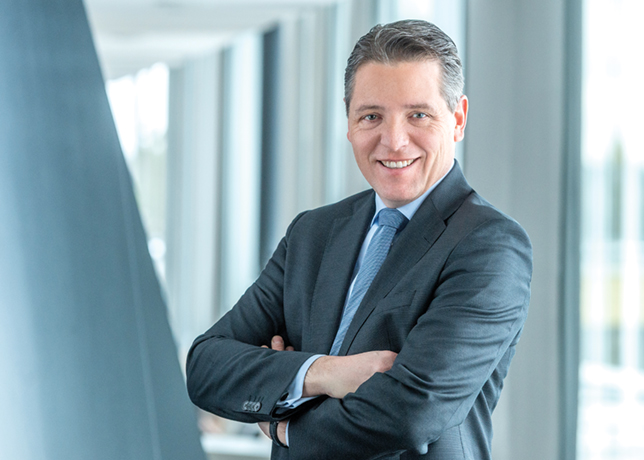
local capabilities and global supply chains was also highlighted by Dr
Christian Bruch, President and CEO of Siemens Energy, during his session,
‘Powering what comes next: energy for a changing world’.
Dr Bruch said: “There
are new criteria emerging in the design of our energy systems. This region will
be the first and leading region in building resilient energy systems. If you
want to learn what the resilient energy infrastructure of the future will look
like, this is where it is going to happen…The key question now is how to ensure
more resilient supply chains in the event of global logistics disruptions. This
means understanding what local capabilities are needed, which global supply
chains can be leveraged, and what kind of storage is required.”
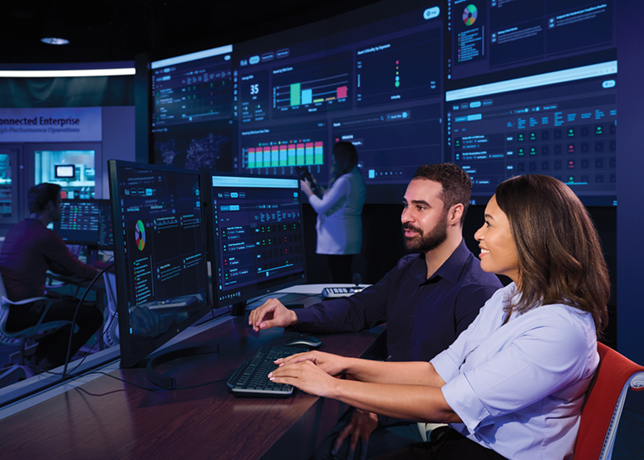
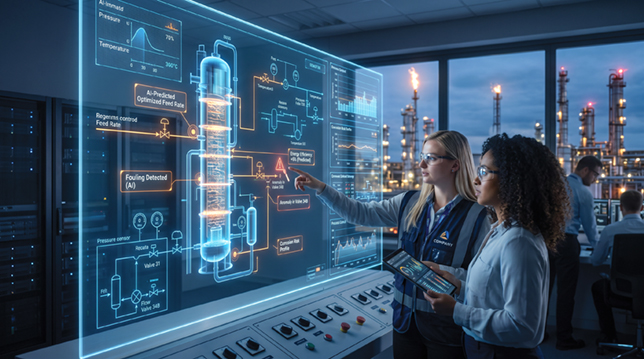
Digitalisation and
energy efficiency featured prominently in discussions on meeting growing
electricity demand. During the panel, ‘The energy productivity opportunity:
unlocking more value from every kilowatt’, Olivier Blum, CEO of Schneider
Electric, highlighted the role of digital technologies and AI in improving
energy consumption and system performance.
Blum said: “We have to
increase electricity generation. We do not really have a choice, as demand
continues to rise. Industries are electrifying, cities are expanding and
electric cars are becoming increasingly common. We need to produce more energy
while also consuming it more efficiently.”
The relationship
between AI and energy infrastructure was further explored during the session,
‘AI-driven energy demand: planning infrastructure for an accelerating growth
curve’. Caspar Herzberg, CEO of AVEVA, said: "It is clear that AI requires
significant amounts of power and that its infrastructure is being deployed very
quickly. Other resources and infrastructure are developing at a slower pace.
However, I see this more as a question of coordination than simply one of
speed.”
Energy security and
supply chain resilience were also central to the CEO panel, ‘Turning disruption
into advantage: resources, power and global growth’. Lorenzo Simonelli,
Chairman and CEO of Baker Hughes, stressed the importance of diversifying
supply sources and identifying vulnerabilities.
He said: "We
should never stop examining our different vulnerabilities and alternatives.
This means looking across the supply chain and logistics, and making sure you
have secondary, tertiary and even fourth sources of supply. You cannot afford
to be dependent on single choke points; you need to be able to navigate and
respond to different circumstances."
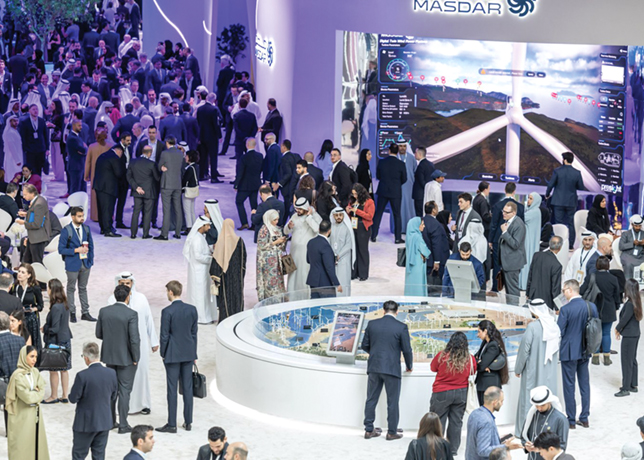
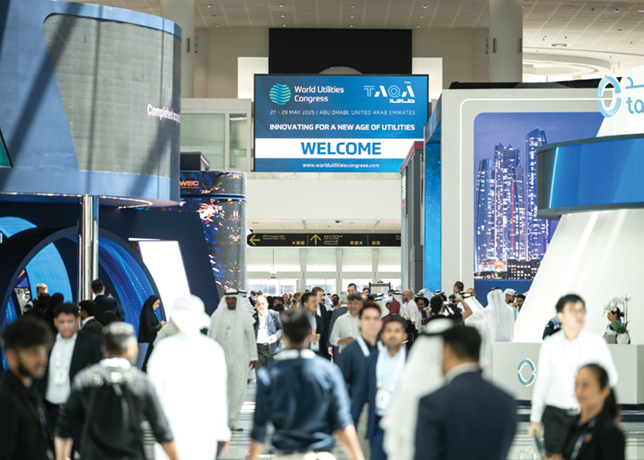
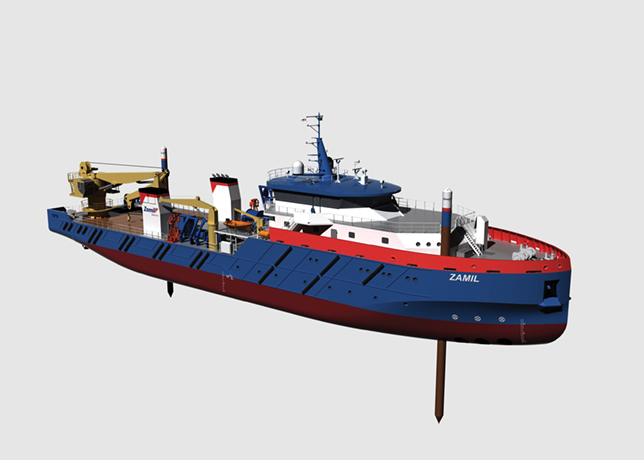
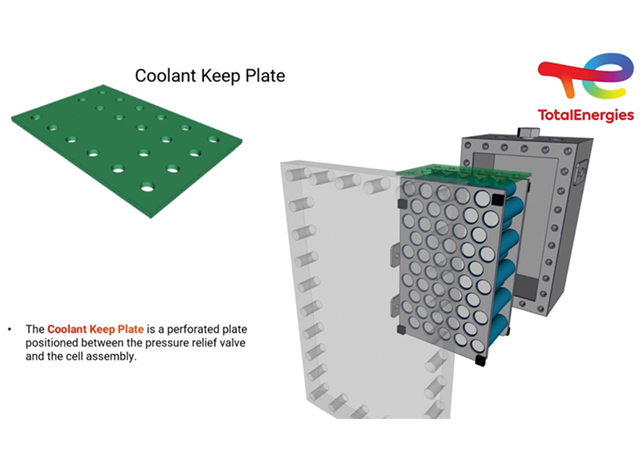
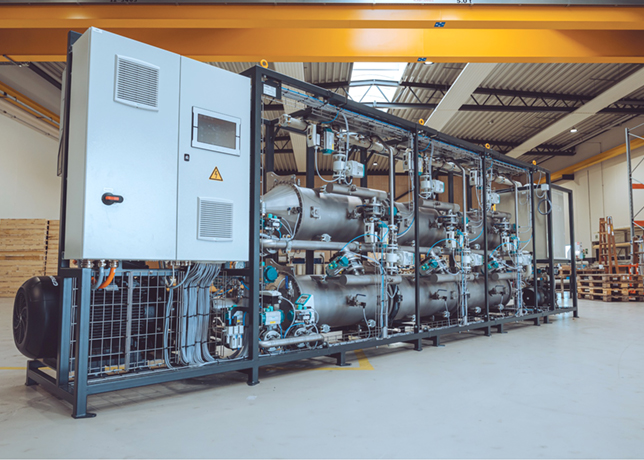
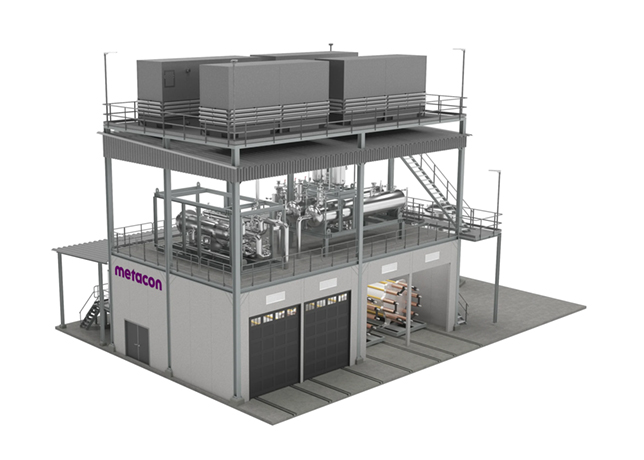
Across the exhibition
halls, companies showcased technologies and capabilities spanning critical
infrastructure, digitalisation, lower-carbon solutions, maritime and logistics.
The event also featured 30 country pavilions highlighting national investment
opportunities and industrial capabilities, alongside four specialised zones
showcasing solutions across the energy value chain.
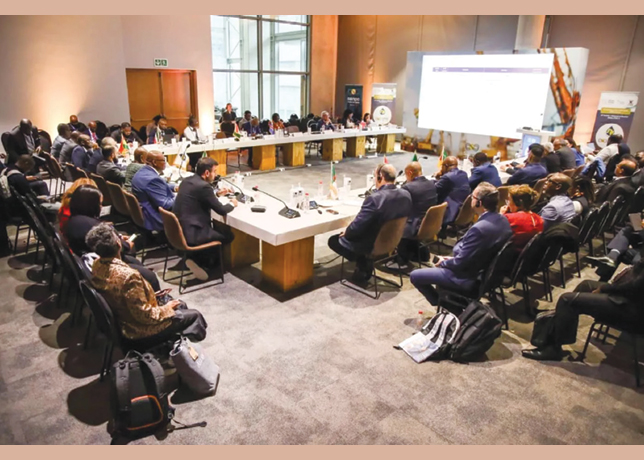
The Strategic
Leadership Roundtables continued at the Global Energy Club, bringing together
ministers, CEOs and senior industry representatives for discussions on
infrastructure development, investment and supply continuity.
Day three will turn
the focus to technologies transforming the energy sector, with discussions
examining how AI, automation and advanced analytics can improve infrastructure
efficiency, intelligence and resilience. -OGN/TradeArabia News Service