


























































Trade policies can help countries cut emissions, boost economic resilience and create new development opportunities, said UN Trade and Development (UNCTAD) in its latest analysis.
By making climate technologies more affordable, supporting economic diversification and strengthening developing countries’ capacity to respond, trade can become a more effective driver of climate action and a just transition.
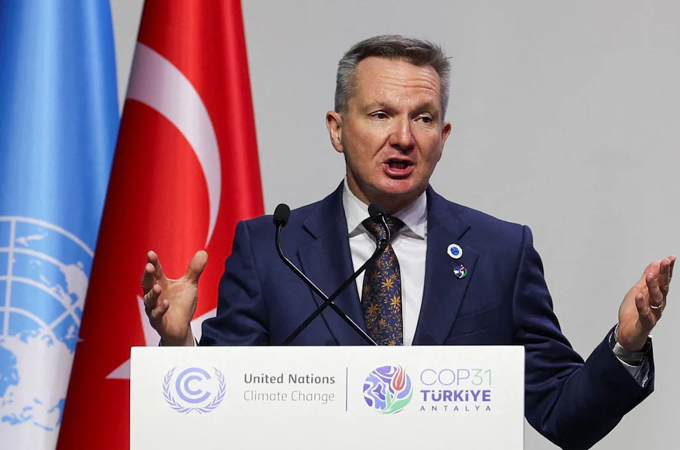
That is the message from UNCTAD in its latest Global Trade Update, released on the occasion of the 2026 UN climate change conference, COP31, which runs until November 20 in Antalya, Türkiye.
Stronger trade co-operation is essential to improving access to climate technologies, particularly in developing countries. From solar panels and batteries to water management systems and climate-resilient agricultural equipment, these technologies are vital for reducing emissions and adapting to climate change, it stated.
Last year, the global exports of goods associated with solar and wind energy value chains, from primary inputs to final products, exceeded $1.8 trillion, growing faster than exports of other manufactured goods.
International trade can lower costs and accelerate technology deployment by facilitating the cross-border movement of goods, services, investment and knowledge. But trade barriers can pose challenges, stated UNCTAD in its report.
Tariffs can raise the cost of accessing climate technologies and constrain opportunities for industrial upgrading, particularly in developing countries.
Non-tariff measures, including technical regulations, product standards and conformity assessment procedures, play an important role in protecting health and the environment.
However, they can also increase costs and delay the deployment of climate technologies when not developed transparently, notified in a timely manner, designed to avoid unnecessary discrimination or accompanied by support to help developing countries comply.
“This places trade cooperation frameworks at the centre of the climate challenge: their effectiveness will facilitate the timely diffusion of climate technologies while preserving legitimate public policy objectives,” the Global Trade Update underscores.
However, only 7% of identified climate-related provisions address the reduction of tariff and non-tariff barriers. Implementation also remains uneven. Of 174 countries surveyed in 2025, only seven reported fully implementing trade facilitation measures for green and climate-relevant goods.
While such climate-related provisions are generally aligned with developing countries’ priorities for resilient food, energy and transport systems, the report cautions that “their effectiveness depends largely on political will, institutional capacity and the availability of financial and technical support” rather than on binding measures.
Trade can also help climate-vulnerable economies diversify exports, reduce dependence on a narrow range of products and create more resilient sources of income and employment, stated UNCTAD in the report.
Trade opportunities in environmentally preferable sectors with climate co-benefits such as biodiversity-based, ocean, and circular economy are already substantial.
The UNCTAD report called for stronger co-operation between trade and environment policymakers at national, regional and multilateral levels to improve policy coherence and support just transitions and shared prosperity.
Trade agreements should move beyond general commitments and support practical implementation, including greater access to climate technologies, investment in infrastructure and stronger productive capacities, it stated.
Strategic investment must complement trade policy efforts, strengthening the skills and productive capacities that developing countries need to deploy climate-relevant technologies and participate in sustainable, resilient and low-carbon value chains, it added.