










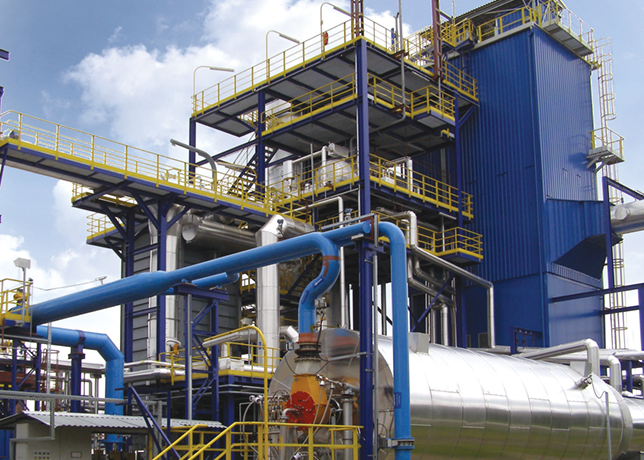
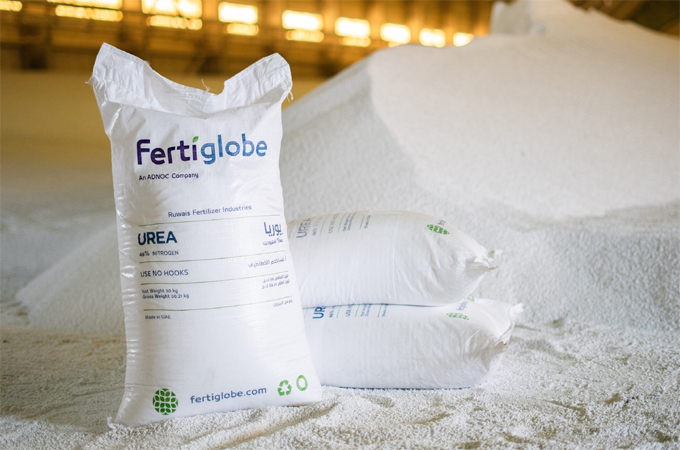
Fertiglobe, a major seaborne urea and ammonia exporter and Mena's nitrogen fertiliser producer, reported a 44% year-on-year increase in revenue to $2.9 billion for the first nine months of 2026, supported by higher ammonia prices and sales volumes, while adjusted EBITDA rose 31% to $944 million.
Adjusted net profit
attributable to shareholders increased 56% to $341 million for the nine months
ended 30 September 2026, reflecting stronger overall performance despite
operational disruptions and higher logistics costs.
For the third quarter
of 2026, revenue increased 19% year-on-year to $905 million. However, adjusted
EBITDA declined 19% to $231 million, while adjusted net profit attributable to
shareholders fell 62% to $51 million.
The quarterly revenue
increase was driven by higher ammonia prices and sales volumes, which more than
offset lower urea prices and the planned turnaround at Egypt Basic Industries
Corporation (EBIC). Higher logistics and operating costs, however, weighed on
profitability.
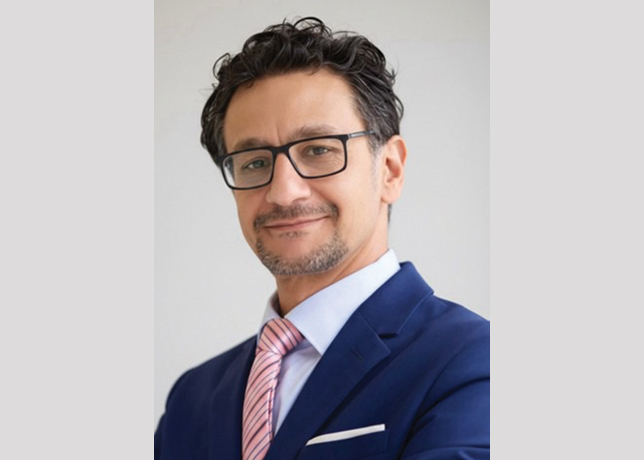
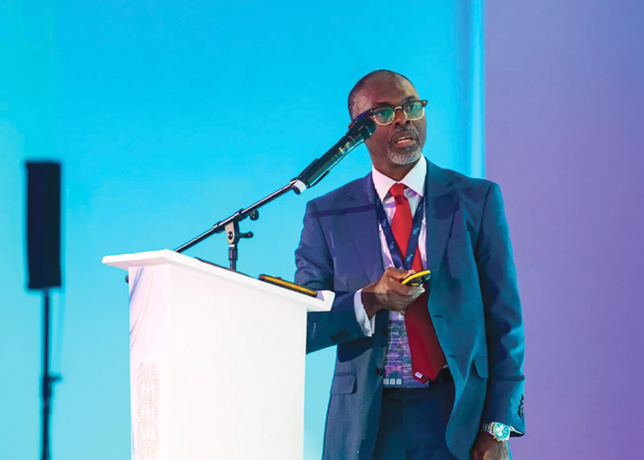
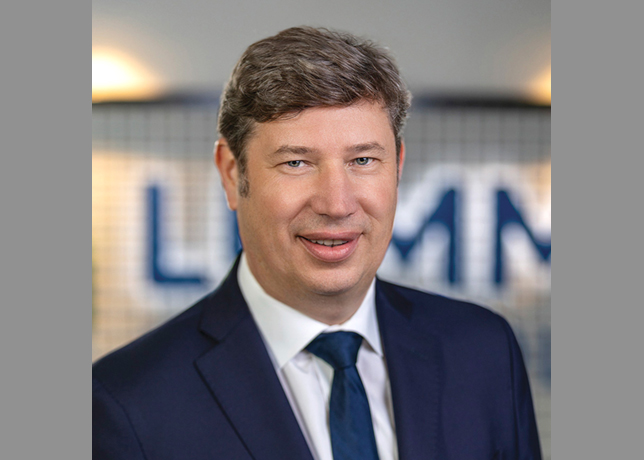
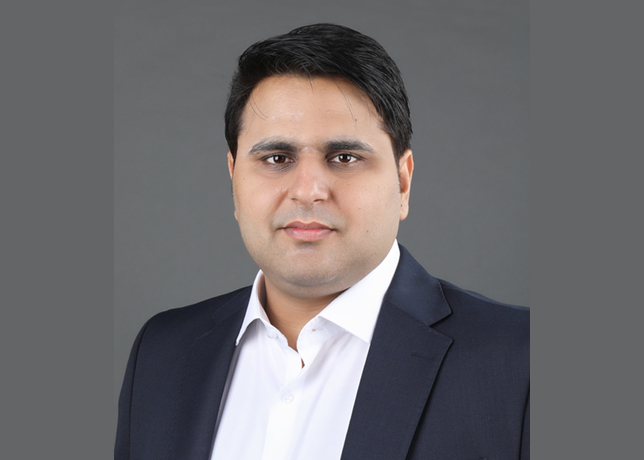
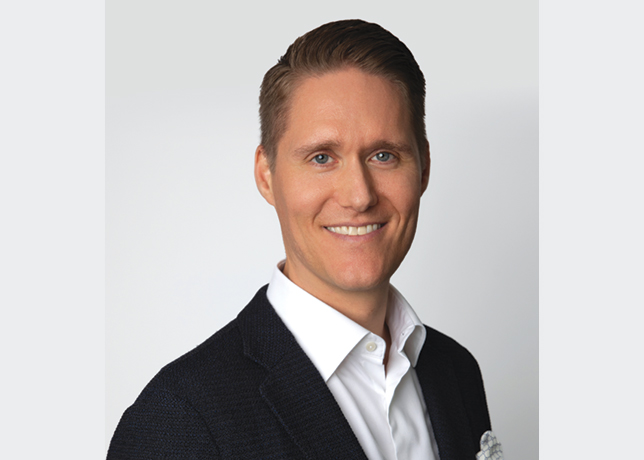
Ahmed El-Hoshy, CEO of Fertiglobe, commented: “Q3 2026 was a quarter of strong operational execution in a challenging environment. Despite continued constraints through the Strait of Hormuz, our commercial and logistics teams restored UAE exports to 95% of production, up from 56% in Q2. We also safely completed a major turnaround at EBIC, increasing the plant's output by around 20% and expected to add $27 million of annual EBITDA3. Together, these achievements demonstrate our ability to navigate disruption while continuing to unlock more value from our existing assets.
Having successfully
implemented our initial $55 million cost optimization target, we are now
launching FIT3, a new program targeting the implementation of a further $30
million of annual non-gas cost savings by year-end 2028. Together with
maintenance capex normalizing from 2027, this will strengthen our
competitiveness and cash generation through the cycle.
We enter Q4 2026 with
an improving market backdrop. With XRG’s support, we will continue to pursue
Grow 2030 opportunities that build on our global ammonia position and target
attractive double-digit returns, sustainable cash generation and long-term shareholder
value.”
Operational
performance and cost optimisation
Fertiglobe's UAE
export rates recovered to 95% of production during Q3, compared with 56% in the
previous quarter, supported by inventory management, logistics planning and a
focused commercial approach. Higher freight and logistics costs nevertheless continued
to affect netbacks.
Own-produced sales
volumes increased 5% year-on-year during the quarter despite the planned
maintenance turnaround, reflecting operational and commercial resilience across
the group.
In Egypt and Algeria,
the Egyptian Fertilizer Company (EFC) and Sorfert maintained strong production
levels, with average urea utilisation rates reaching 99% across both businesses
during the first nine months of the year. The performance reflects progress
under Fertiglobe's Manufacturing Improvement Plan (MIP).
The EBIC turnaround
was completed during Q3 and is expected to increase ammonia production by
approximately 20%, generating an estimated $27 million in annual EBITDA through
improved reliability and energy efficiency.
Following the
completion of another major turnaround in the UAE, 2026 represents the peak of
Fertiglobe's MIP spending, with maintenance capital expenditure expected to
normalise from 2027.
The company has also
launched FIT3, targeting a further $30 million in annual non-gas cost savings
by the end of 2028, following the successful implementation of its initial $55
million cost optimisation target.
Grow 2030 strategy
and investment
Fertiglobe said it has
implemented initiatives representing 50% of its target to increase EBITDA by
approximately 60% by 2030.
Progress is being
driven by the MIP, which is now 70% complete and remains on track to deliver
$81 million in additional EBITDA by the end of 2026 and $110 million-$120
million by the end of 2027.
The group is also
advancing its involvement in the TA’ZIZ Ammonia project. In November 2026, the
project secured a $462 million debt facility, enabling the repayment of $105
million in shareholder funding to Fertiglobe during Q4 2026.
Dividends and
financial position
Fertiglobe has
delivered more than $3 billion in capital returns to shareholders since its
initial public offering (IPO), including a $150 million dividend for the first
half of 2026, paid in October.
Under its 2.5% share
buyback programme, the company has repurchased 1.34% of its outstanding shares
for $74 million. It remains committed to its dividend policy and expects to
announce its second-half 2026 dividend alongside its full-year results.
Consolidated net debt
stood at $306 million at 30 September 2026, equivalent to 0.2 times
last-twelve-month adjusted EBITDA. After adjustments for retained cash at
Sorfert, accrued gas costs and non-controlling interests, proportionate net
debt amounted to $1.167 billion, equivalent to 1.2 times adjusted EBITDA.
With XRG, ADNOC's
international investment company, as its majority shareholder, Fertiglobe said
its balance sheet and financial framework provide capacity to pursue growth
opportunities while maintaining shareholder returns.
Market outlook
Fertiglobe expects
market conditions to improve, particularly as higher European natural gas
prices affect regional fertiliser production.
In Europe, the recent
increase in TTF gas prices has pushed production costs above prevailing ammonia
and urea market prices. More than 35% of European ammonia capacity is currently
unavailable, tightening regional supply and supporting higher ammonia prices.
Urea prices have
increased approximately 30% from their summer 2026 lows, supported by elevated
feedstock costs, the start of the Northern Hemisphere buying season and
improved farmer affordability compared with peak levels during the war.
The company expects to build on its operational improvements, cost-saving initiatives and global ammonia position to support earnings growth and long-term shareholder value. -OGN/TradeArabia News Service