










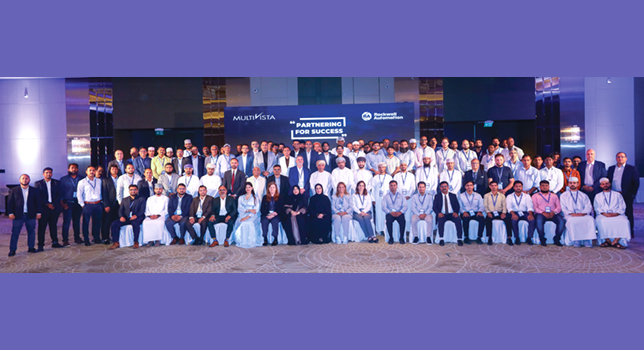

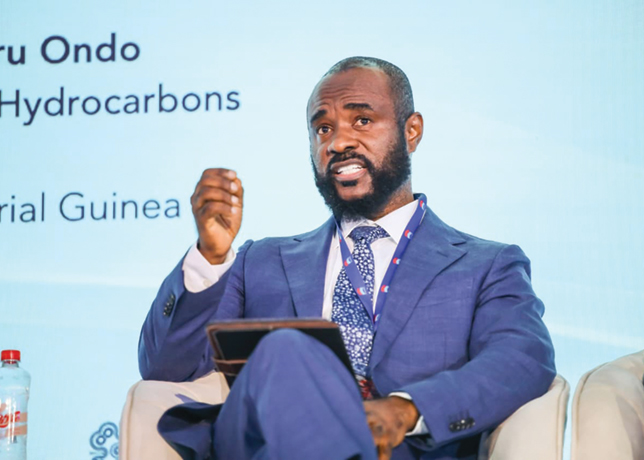
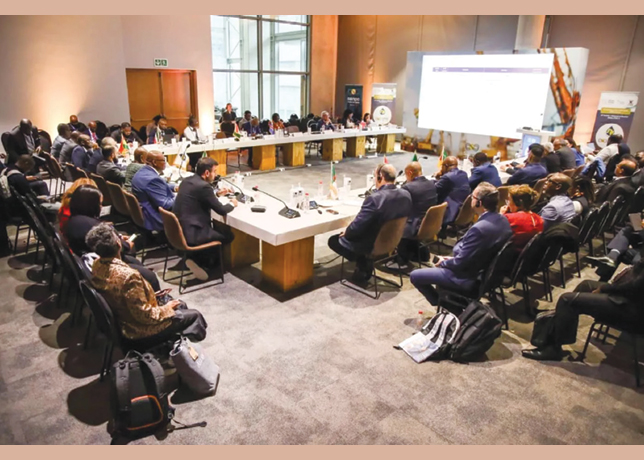
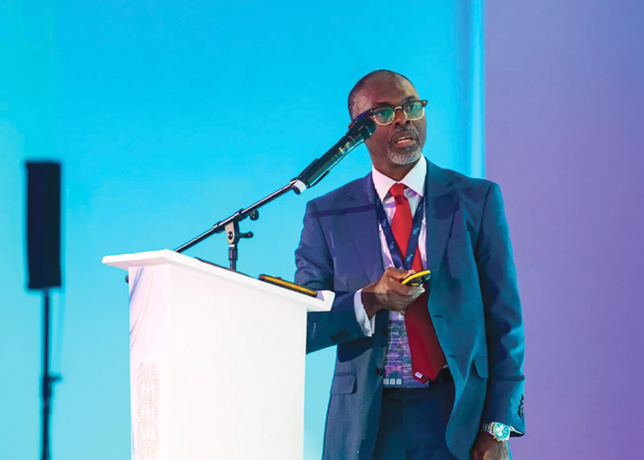
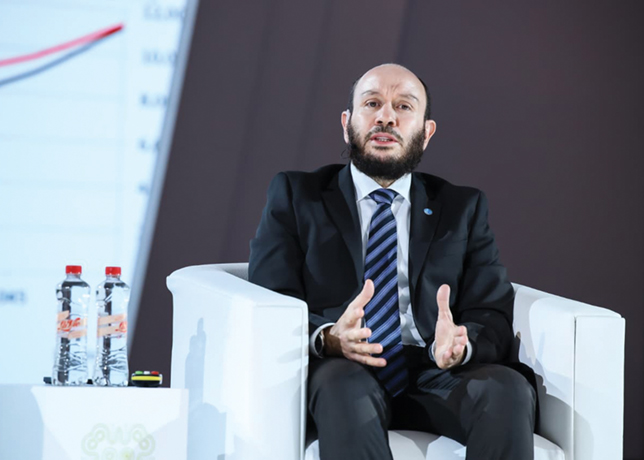





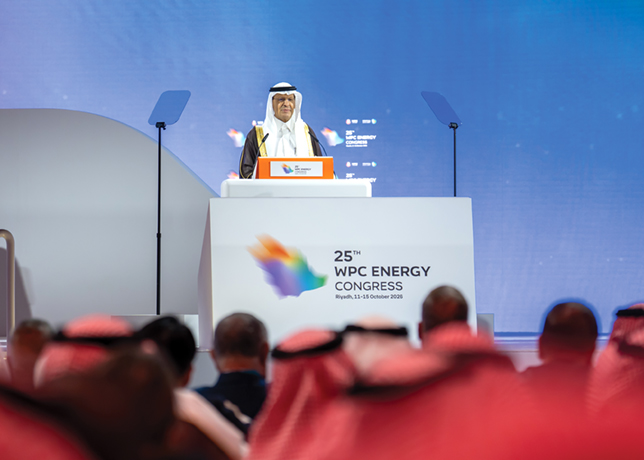










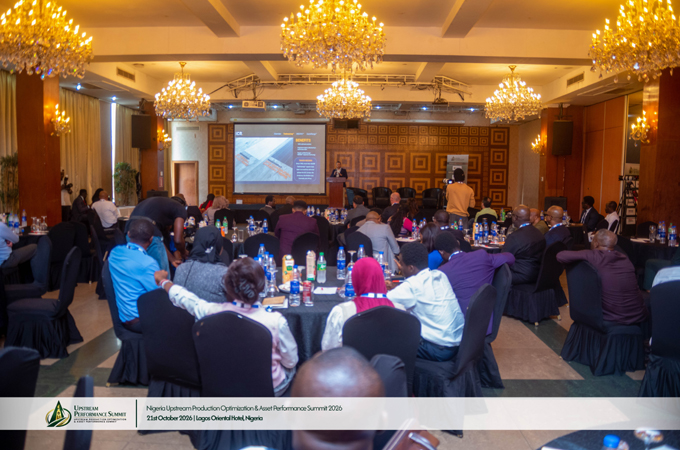
The Nigeria Upstream Production Optimisation & Asset Performance Summit (UPS Nigeria 2026) was held in Lagos on October 21, 2026, bringing together industry professionals, operators, regulators and technology providers to examine practical solutions for improving production reliability across Nigeria’s upstream oil and gas sector.
Held under the theme “From Reservoir to Export: Unlocking
Reliable Barrels Across Nigeria’s Upstream Production System,” the
invitation-only technical conference focused on identifying operational
constraints and evaluating interventions to support safer, more sustainable
production.
The one-day programme examined the entire production chain,
from reservoirs and wells to flowlines, subsea infrastructure, processing
facilities and export systems. Discussions highlighted the importance of
ensuring that improvements at individual assets translate into consistent,
exportable production, supported by effective maintenance, facility capacity
and reliable evacuation infrastructure.
Regulatory considerations featured prominently, including a
session titled “From Approval to Production: What Must Move Faster?”, listed
for Engr. Enorense Amadasu, Executive Commissioner, Development and Production,
at the Nigerian Upstream Petroleum Regulatory Commission. The discussion
addressed regulatory intervention pathways, execution timelines and the need to
balance faster project delivery with technical assurance.
Four panel discussions formed the core of the technical
programme, addressing production challenges across different stages of the
upstream value chain.
The first panel, “Follow the Barrel: Where Is Nigeria’s
Production Being Held Back?”, examined constraints affecting production across
interconnected assets. This was followed by “Silent Wells, Lost Barrels:
Bringing Declining and Shut-In Wells Back Stronger”, which explored
opportunities to restore production through well candidate selection,
intervention planning, integrity assurance and continuous performance
monitoring.
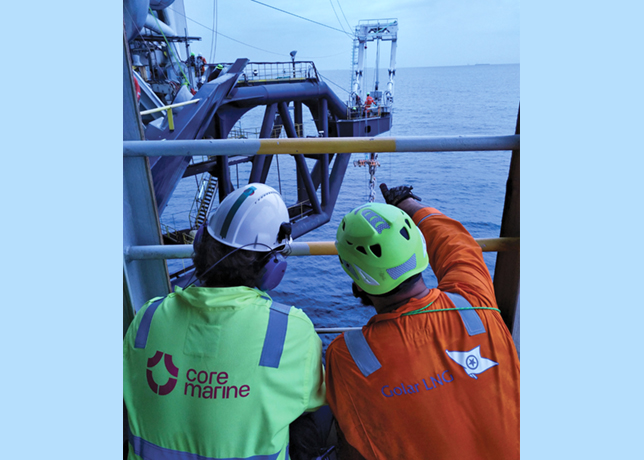
Deepwater operations were another major focus, with the
session “Beneath the Atlantic: Can Nigeria’s Subsea-to-FPSO Engine Deliver
More?” examining the performance of subsea wells, flowlines, risers, control
systems and floating production, storage and offloading (FPSO) facilities.
The final panel, “After the Wellhead: Where Does the Barrel
Get Trapped Before Export?”, focused on processing facilities, pipelines and
export infrastructure, highlighting the importance of coordinating investments
across interconnected production assets.
The discussions were moderated by representatives from
Renaissance Africa Energy Company, Shell and Axxela Limited. Other
participating organisations included Heirs Energies, Midwestern Oil & Gas,
Aradel Holdings, Elcrest Exploration and Production, ND Western, Neconde Energy
and Green Energy International. Their contributions covered reservoir
engineering, production optimisation, facilities management, maintenance and
asset integrity.
Technology and asset performance in focus
Technical presentations explored technologies and
maintenance strategies aimed at addressing production restrictions and
improving operational efficiency.
Emerson presented integrated wellhead automation and
advanced flow measurement solutions, while Prezicon, part of Altrad Nigeria,
addressed corrosion-under-insulation monitoring and online desanding. Sparrows
Africa discussed crane upgrades, highlighting the importance of equipment
reliability and safe intervention operations.
Other contributions included sustainable decommissioning and
asset recovery by Brix & Towers, flow assurance by Shell, and well,
reservoir and facilities management for tail-end production by Renaissance. ICR
Integrity addressed cold work repair, while Neconde Energy and Green Energy
International presented perspectives on integrated upstream value creation and
remotely operated fields.
Flow assurance and asset integrity were recurring themes
throughout the summit. Hydrates, wax, scale, sand and corrosion can restrict
production even when reservoir potential and installed infrastructure capacity
remain available.
Discussions therefore examined preventive monitoring,
condition-based maintenance, equipment repairs and infrastructure life
extension. Brownfield investments were also considered in terms of their
production impact, technical risks, operational disruption and long-term value.
Reliable flow measurement and improved production data were
highlighted as important tools for identifying losses across the production
chain. Integrating information from reservoirs, wells, processing facilities
and export systems can help operators prioritise interventions, improve
production allocation and evaluate operating performance.
The programme also examined the role of digital technologies
in improving connected operations. Remote surveillance, automation and
predictive tools were discussed alongside the need for reliable communications,
cybersecurity and clear human accountability. Emphasis was placed on using
accurate operational information to support timely decisions and identify
abnormal conditions earlier.
Next edition scheduled for March 2027
Overall, UPS Nigeria 2026 provided a platform for examining
how well recovery, asset reliability, infrastructure performance and export
capacity collectively influence upstream production.
The summit's practical focus highlighted the importance of
coordinated investment, effective maintenance and technology deployment in
addressing production bottlenecks and sustaining output across Nigeria's oil
and gas industry.
The next edition of UPS Nigeria is scheduled for 4 March 2027, with plans to further develop discussions around well intervention, subsea and FPSO reliability, brownfield debottlenecking and accountable automation. -OGN/TradeArabia News Service