









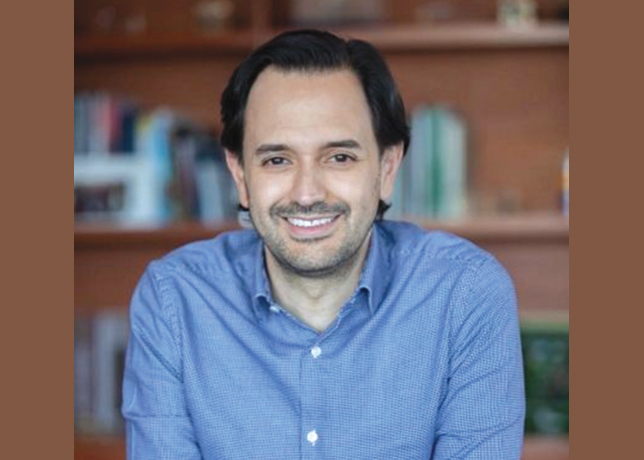








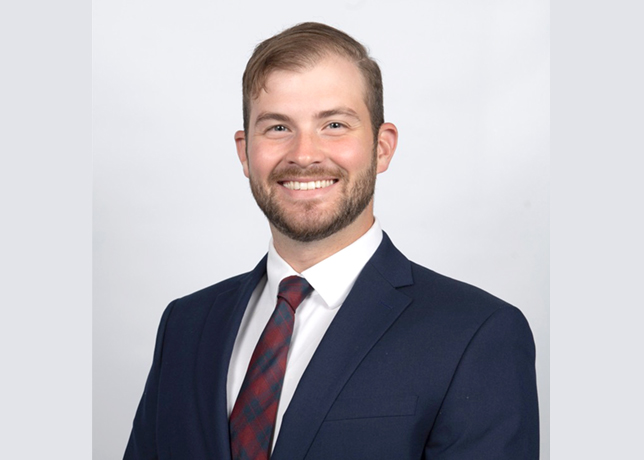



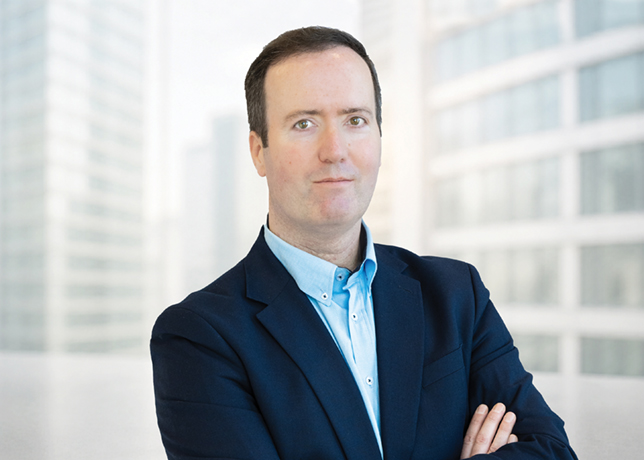

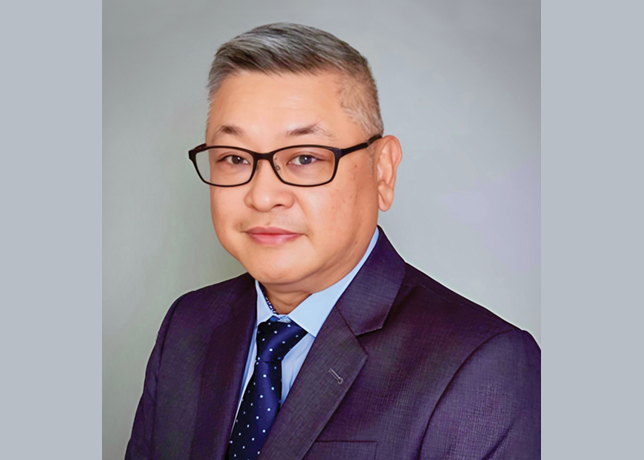
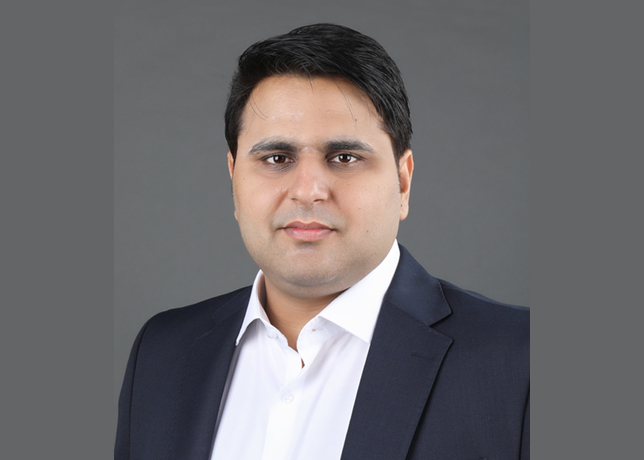

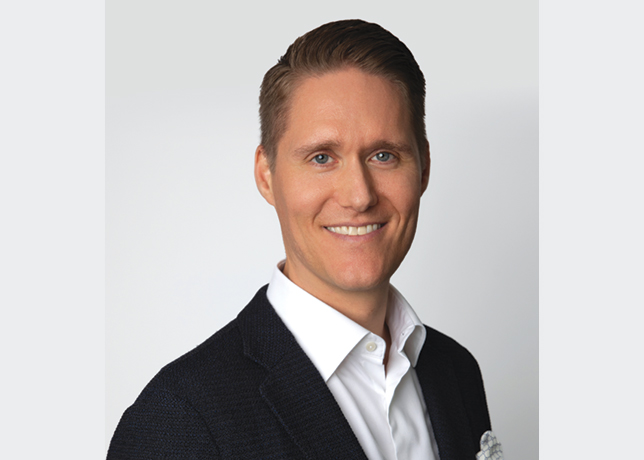
 Said Bakhache
UAE’s real GDP growth is projected at 0.2% in 2026 before rising to 7.3% in 2027, assuming the regional disruptions are lifted, said an IMF staff team after completing 2026 Article IV Mission to UAE.
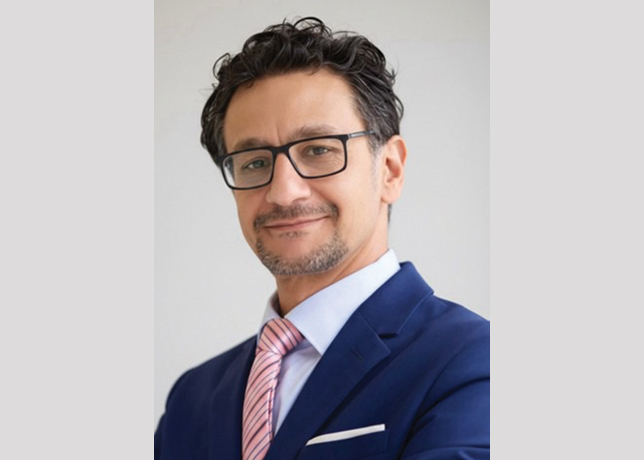
Non-hydrocarbon growth is projected at -0.5% in 2026 and 5.4% in 2027, while hydrocarbon growth is expected at 2.3% in 2026 and 13.3% in 2027. Inflation is projected to average about 5% in 2026 before easing to about 3% in 2027 and converging toward 2% over the medium term as supply pressures and base effects unwind, team led by Said Bakhache noted.
At the conclusion of the mission, Bakhache said: “The UAE economy has shown strong resilience to the regional conflict, supported by substantial public sector and external buffers, the country’s robust infrastructure, a well-capitalised banking system, and the authorities’ swift and targeted policy response.” Activity has begun to recover, and growth is projected to strengthen in 2027, although the outlook remains subject to significant regional uncertainty, he said.
Fiscal and external surpluses are expected to narrow in 2026, with low government debt, substantial sovereign financial assets, and ample international reserves continuing to provide important buffers.
Strong capital and liquidity positions
The financial system remains resilient, supported by strong capital and liquidity positions. Policies should remain agile, with timely and temporary measures to support affected sectors.
As disruptions from the regional conflict ease, policy priorities should gradually shift toward supporting durable resilience and sustainable growth. Continued efforts to enhance financial sector oversight, deepen trade integration, strengthen logistics and human capital, and promote safe AI adoption would support productivity, sustainable non-hydrocarbon growth, and economic diversification.
Significant uncertainty in outlook
“The outlook remains subject to significant uncertainty. Escalation of regional tensions and disruptions to trade, tourism, and supply chains could delay the recovery and add to inflationary pressures. Global financial volatility and cybersecurity risks also warrant continued attention. On the upside, faster normalisation of regional conflict and stronger investment and productivity gains, including from AI, could support higher growth,” he said.
“As disruptions from the regional conflict ease, policy priorities should gradually shift from cushioning their immediate impact toward strengthening medium-term resilience and supporting sustainable growth.
“The temporary fiscal easing in 2026, together with support from government-related entities, is appropriate given the scale and supply-side nature of the shock and the UAE’s substantial fiscal buffers. Fiscal support should remain transparent, targeted, and carefully calibrated to avoid adding to demand and price pressures. Stronger federal-emirate coordination on fiscal policies, broader public-sector monitoring, and greater public-sector transparency would enhance policy effectiveness and strengthen the assessment and management of fiscal risks, including risks that could arise from contingent liabilities particularly those related to GREs and public-private partnerships. Beyond 2027, fiscal policy should be guided by existing medium-term fiscal frameworks, safeguarding fiscal buffers, ensuring adequate savings for future generations, and prioritising investments that support diversification and resilience. In this regard, building on recent improvements, enhancement of the tax system and administration would support non-hydrocarbon revenue diversification while preserving the UAE’s competitive business environment.
Dirham Monetary Framework
“The UAE financial system remains resilient, underpinned by substantial capital and liquidity buffers, while asset quality has continued to improve. Against the backdrop of elevated inflation and strong credit growth, continued close monitoring of liquidity and funding conditions, asset quality, and sectoral exposures remain important. Liquidity management should continue to support orderly market functioning and financial stability, while temporary support measures should be reviewed and phased out as conditions normalise. Continued development of the Dirham Monetary Framework, deeper interbank and capital markets, and effective liquidity backstops and crisis-management arrangements would strengthen monetary transmission and financial resilience.
“Evolving developments in real estate and financial innovation warrant sustained supervisory vigilance and regulatory coordination to further safeguard stability. Real estate activity has moderated from earlier peaks, with conditions varying across emirates and market segments, warranting continued monitoring of real estate and construction exposures. Continued regulatory adaptation and attention to cybersecurity, emerging financial technologies, nonbank financial institutions, and cross-jurisdictional linkages will support effective oversight.
Greater trade integration and diversification of trade routes
“Greater trade integration and diversification of trade routes and partners can strengthen resilience to future disruptions. The authorities’ efforts to expand trade partnerships through Comprehensive Economic Partnership Agreements, develop alternative trade corridors, and strengthen supply-chain resilience are welcome. Complementary reforms in human capital, digital government, and logistics would support productivity, export diversification, and integration into regional and global value chains. As AI adoption broadens, robust governance, data protection, cybersecurity, and investment in skills and training will be important to realise productivity gains while managing associated risks.
“Staff welcomes the authorities’ strong efforts and significant progress in improving the compilation of balance-of-payments and GDP data, alongside continued improvements in Government Finance Statistics. Further enhancing data coverage and timeliness would strengthen transparency and policy analysis,” he added.—TradeArabia News Service