























































Extreme weather events are posing growing risks to global oil and natural gas shipping, threatening critical port infrastructure, major maritime trade routes and the reliability of international energy supplies, according to a new report by the International Energy Agency (IEA).
The report highlights the increasing vulnerability of global
fuel supply chains as international maritime trade expands, warning that
tropical cyclones, flooding, extreme heat and drought could cause significant
disruptions to energy transportation in the coming decades.
The importance of maritime transport to global energy
markets is considerable. In 2024, approximately 40 per cent of global crude oil
supply, 30 per cent of petroleum products and 15 per cent of natural gas supply
were transported by sea for at least part of their journey to consumers.
The IEA projects that international shipping activity for
oil and natural gas will increase by more than 15 per cent by 2035 under its
Stated Policies Scenario, with liquefied natural gas (LNG) transportation
expected to experience particularly strong growth.
Global maritime fuel trade has already expanded
significantly, with crude oil shipping volumes increasing by around 15 per cent
since 2000, while LNG shipping volumes have quadrupled over the same period.
Ports face increasing weather-related disruptions
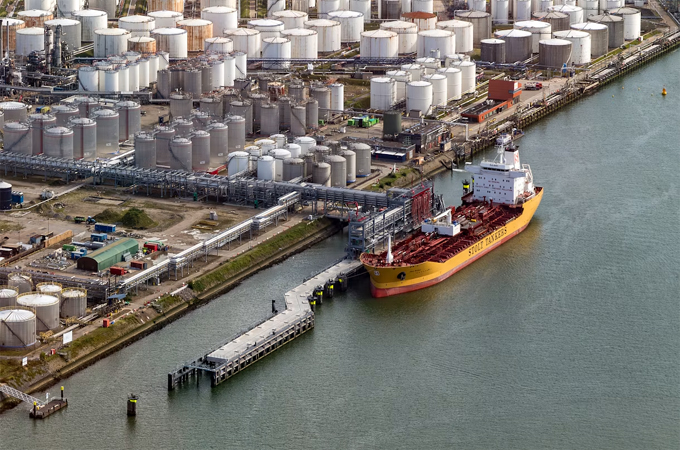
The analysis identifies tanker-handling ports as
particularly exposed to extreme weather hazards, including tropical cyclones, river
and coastal flooding, and extreme temperatures.
Exposure varies significantly across regions. Virtually all
tanker-handling ports in Japan, South Korea and China face exposure to a
tropical cyclone at least once every 500 years on average. Meanwhile, more than
100 ports in Europe, representing 24 per cent of the total assessed, are
exposed to river or coastal flooding.
On average, tanker-handling ports experience approximately
1.5 days of operational downtime annually because of extreme weather. However, major
weather events can cause significantly longer interruptions, with operations
potentially suspended for weeks or even months.
Such disruptions can affect fuel loading and unloading,
delay shipments and create wider supply chain challenges for energy-importing
countries.
Strategic shipping routes face growing risks
The report also identifies vulnerabilities along major
international maritime trade routes, particularly at strategic chokepoints
where alternative passages are limited.
Extreme weather can disrupt shipping through important
waterways, including the Luzon Strait and the Turkish Straits. When these
routes become inaccessible, vessels may be forced to take longer alternative
passages, increasing transportation costs, fuel consumption and emissions.
In some cases, where alternative routes are unavailable,
disruptions could temporarily halt fuel shipments altogether.
Inland waterways also face growing challenges.
Drought-induced low water levels can restrict navigation and reduce the amount
of fuel vessels are able to carry.
On Germany's River Rhine, navigation at Kaub was
economically unviable for approximately one month per year on average between
2015 and 2026. Under a high-warming climate scenario, this period could nearly
double by the end of the century, highlighting the potential long-term impact
of changing weather patterns on Europe's fuel transportation infrastructure.
Small island economies particularly vulnerable
Small island economies face some of the most significant
risks because of their dependence on imported fossil fuels and limited
alternative supply routes.
According to the IEA analysis, more than 85 per cent of
selected fuel-importing small island economies rely on imported fossil fuels
for at least three-quarters of their electricity generation.
Fuel storage capacity presents an additional challenge. More
than 15 per cent of the islands assessed hold less than 90 days of fuel
supplies, while six have reserves covering as little as three weeks.
This leaves these economies particularly exposed to shipping
interruptions, extreme weather and delays in fuel deliveries, potentially
threatening electricity generation and essential services.
IEA calls for stronger energy infrastructure resilience
To address these vulnerabilities, the report recommends
integrating extreme weather risks into national energy security strategies and
strengthening the resilience of international fuel supply chains.
Key measures include diversifying energy sources and
suppliers, reinforcing port infrastructure, improving early warning systems and
strengthening preparedness for weather-related disruptions.
The IEA also highlights the importance of international
cooperation and information sharing, particularly among countries dependent on
major maritime shipping routes and vulnerable island economies.
As global oil and natural gas trade continues to depend heavily on maritime transportation, the report stresses that investment in resilient ports, shipping infrastructure and supply networks will be essential to maintaining reliable energy supplies amid increasing extreme weather risks. -OGN/TradeArabia News Service