
























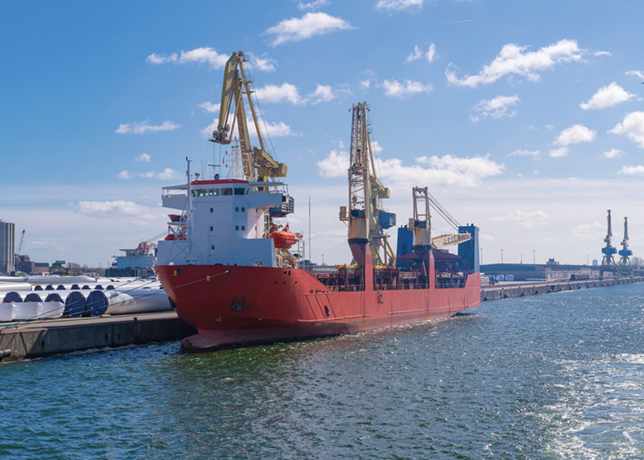









Malaysia’s MISC, the world's largest carrier of liquefied natural gas, is expected to report a sharp drop in fourth-quarter profit from a year earlier, when earnings were boosted by ship sales.
Industry analysts said weaker freight rates for petroleum tankers were also hurting MISC’s profits, as shipping capacity grew faster than demand.
Malaysia’s fourth-biggest listed firm, valued at nearly $9 billion, is forecast to post net profit of about 600 million ringgit ($167 million) for the three months ended March 31, according to estimates.
That would compare with 2.2 billion ringgit a year earlier, a result that included a gain of 1.45 billion ringgit from the sale of 28 bulk vessels and two chemical tankers.
MISC is 62-per cent owned by state oil and gas firm Petronas.
“Tanker rates were softer through the fourth quarter, so we’re expecting profits to be lower than the third quarter,” said an analyst with a local brokerage.
The shipper earned 775.71 million ringgit in net profit in its third quarter to December 31, 2005.
Analysts said tanker charter rates during MISC’s financial year to end-March were down 18 percent from a year earlier, with a recovery in rates still some way off.
“I think the soft rates will persist,” said Gan Kim Khoon, head of research for AmResearch, adding that petroleum tanker rates might not turn upward until 2008.
AmResearch rates the stock as a “hold”. It trades near 11.5 times prospective earnings, a discount to the market.
Tanker rates jumped to record highs in 2004 as a surge in oil trading and demand strained available fleet supply, but they have since retreated despite the still-booming markets for commodities such as oil and copper.
In 2005, the world’s fleet grew by about 7 percent as around 30 million deadweight tonnes in new tankers were built, data from the International Association of Independent Tanker Owners show.
In January 2006, new petroleum tankers equivalent to around 26.5 percent of the current global fleet of 4,186 were on ship-makers' order books.
