


























The global polymers industry remained under pressure throughout 2025 as structural oversupply, weaker demand growth and tariff-driven disruptions continued to weigh on pricing and market activity.
Against this backdrop, SABIC pursued a strategy centred on product differentiation, deeper value-chain engagement and targeted innovation, strengthening its position across infrastructure, electronics, automotive, healthcare and renewable energy applications.
The company focused on advancing initiatives that reinforced market presence while addressing customer requirements for durability, sustainability, operational efficiency and regulatory compliance.
Its portfolio spans polyethylene, polypropylene, polycarbonate, elastomers, polyethylene terephthalate, polystyrene and polyvinyl chloride, alongside specialised materials including Ultem, Siltem, Extem, LNP and Noryl product families.
INFRASTRUCTURE APPLICATIONS DRIVE DIFFERENTIATED GROWTH
Building and construction remained a key focus area as SABIC expanded specialised polymer solutions designed to improve operational performance and support large-scale infrastructure projects.
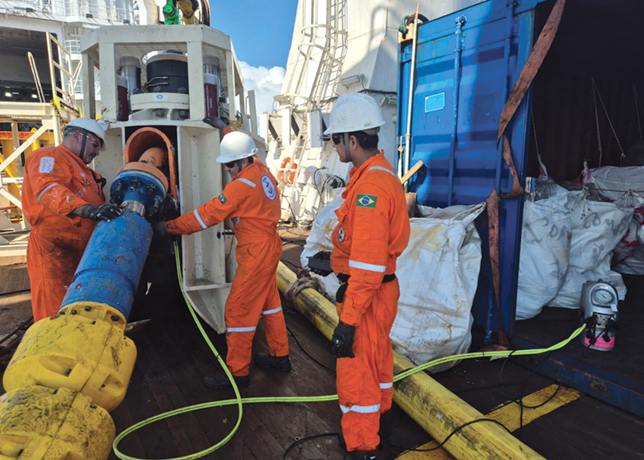
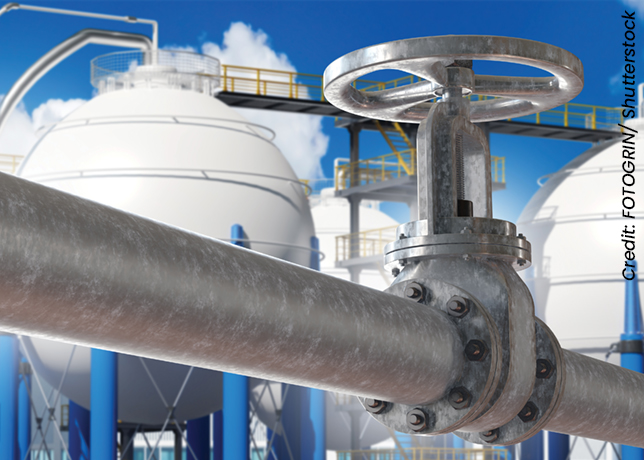
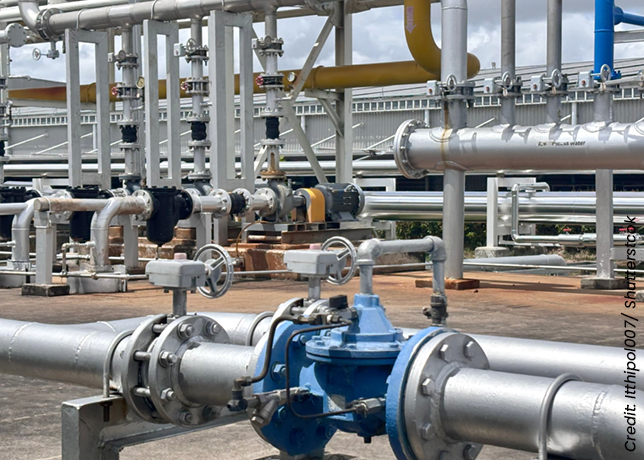
A significant milestone was achieved through the installation of SABIC’s polyethylene PE100 reinforced thermoplastic pipe solution beneath the South China Sea.
Covering 16 km at a depth of 110 m, the project validated the material’s performance under operating conditions while demonstrating advantages in handling, corrosion resistance and installation efficiency compared with conventional steel pipelines.
The company also strengthened its position in telecommunications and gas infrastructure through microduct material solutions based on polyethylene high-density polyethylene (HDPE) formulations and participation in national plastic pipe standards development.
Collaboration with major Chinese gas companies to update gas pipe standards supported wider adoption in regulated infrastructure projects, reflecting the importance of technical standards and regulatory alignment in accelerating market acceptance.
Local manufacturing and supply-chain resilience featured prominently in SABIC’s construction strategy.
The launch of the KSB200 carbon black grade for colouring concrete blocks and kerbstones provided a locally produced alternative to imported iron oxide, while the introduction of polyethylene HDPE GF1737 for geomembrane applications targeted landfill, construction, chemical waste and agricultural sectors with a solution designed for high performance and processing efficiency.
SABIC commercialised PO Compound SABIC P1600A, an anti-abrasive polyolefin compound developed for mining slurry pipelines operating under extreme wear conditions.
The material delivers abrasion resistance, impact strength and durability intended to extend service life while reducing maintenance requirements and operational downtime.
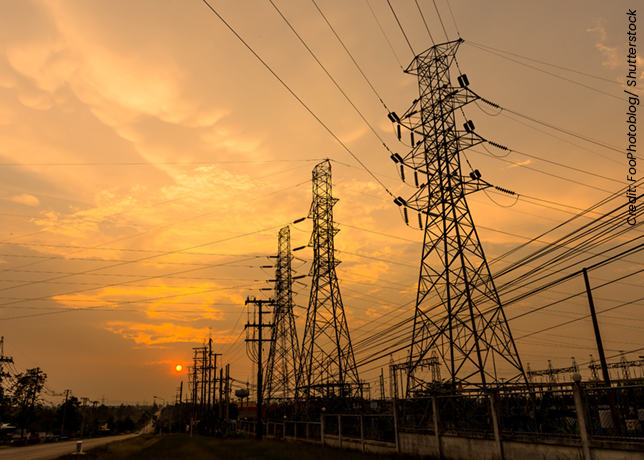
The company also expanded its infrastructure portfolio with PE-RT II solutions for high-voltage cable applications, addressing growing demand for durable materials capable of supporting reliable power transmission and grid expansion.
ELECTRONICS, AUTOMOTIVE MARKETS RESHAPE DEVELOPMENT PRIORITIES
The electrical and electronics sector emerged as an important growth platform, supported by demand for flame-retardant materials, smart metering technologies and rapidly expanding data infrastructure.
SABIC reported strong performance from its flame-retardant thermoplastics portfolio, including halogen-free Lexan resins for audio speakers and customised solutions for power distribution units.
The rollout of smart metering systems generated additional demand for specialised materials.
SABIC responded by introducing high-performance Lexan polycarbonate blends, a Cycolac resin grade meeting 650 deg C glow-wire requirements and its first polypropylene compound developed for a major electronics customer.
Sustainability considerations were incorporated through bio-based Lexan 124R RW resin and the company’s first post-consumer recycled flame-retardant Lexan resin.
Artificial intelligence (AI)-related infrastructure created further opportunities.
For augmented reality glasses, SABIC developed Valox polyester solutions combining lightweight characteristics with mechanical strength to support ergonomic and durable designs.
Within data centres, the specialties business targeted thermal management, connectivity and miniaturisation challenges using Ultem, Siltem and Extem resin technologies.
These materials provide heat resistance, dimensional stability and compatibility with high-temperature manufacturing processes required for advanced electronics and high-speed data transfer systems.
Automotive developments reflected the sector’s continuing transition towards electrification and advanced design requirements.
SABIC expanded its portfolio with new lighting materials, including Lexan HF3510LB resin-based light-bar solutions, PMMA grades for rear lamp lenses and translucent polypropylene materials for ambient lighting applications.
Collaboration with automotive and electric vehicle manufacturers also played a strategic role.
The company developed a low-bake painting solution allowing plastic bumpers and metal vehicle bodies to be coated within a single process, improving manufacturing efficiency.
In China, joint projects with vehicle manufacturers led to new EV rear-panel solutions incorporating polycarbonate/polyurethane two-shot moulding technology and enhanced light diffusion characteristics, representing the first commercial deployment of PUR-RIM technology for exterior automotive components.
Electrification requirements also drove innovation in charging infrastructure.
SABIC introduced Noryl GTX LMX310 resin for large asymmetrical EV components such as charging flaps and developed the LNP ELCRES NPCXL9030L copolymer resin, certified under UL746G standards and designed to provide chemical resistance and durability in outdoor charging environments.
CIRCULARITY & TRANSITION BOOST LONG-TERM POSITIONING
Within healthcare, SABIC expanded production capabilities in Saudi Arabia to localise supply of medical-grade polypropylene, polyethylene and ABS materials.
Advanced materials for medical devices, tubing and connected healthcare applications complemented this localisation strategy.
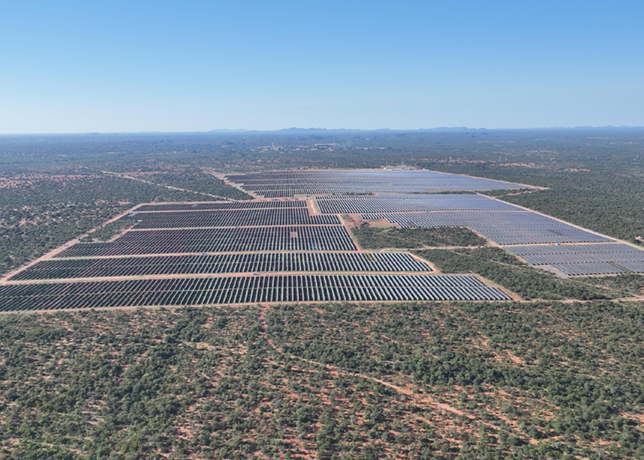
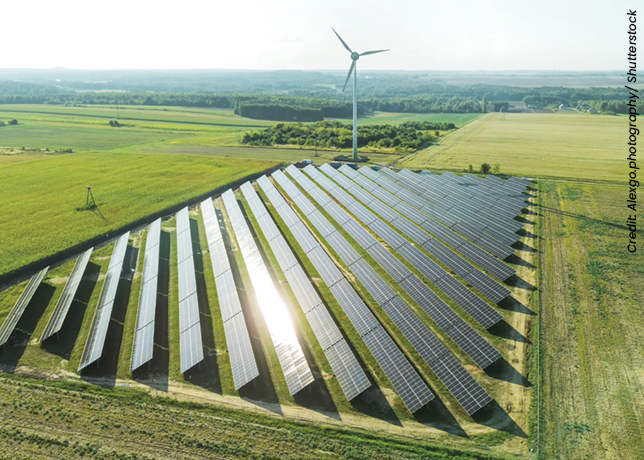
The company’s renewable energy portfolio addressed solar generation and energy storage requirements through specialised materials designed to improve durability and system performance.
New FORTIFY PV POE encapsulant grades based on Nexlene technology were introduced to mitigate potential induced degradation in solar modules, supporting reliability and reducing lifecycle costs.
HDPE ICP4507 was developed for floating photovoltaic installations, providing environmental stress crack resistance, impact resistance and durability suitable for nearshore and offshore applications.
Circularity initiatives continued through the TRUCIRCLE portfolio, which encompasses certified circular products, bio-renewable materials and mechanically recycled products supported by certification systems including ISCC+ chain-of-custody verification.
Partnerships spanning healthcare, packaging, mobility and consumer goods demonstrated efforts to integrate circular feedstocks and recycled content into commercial applications while maintaining performance requirements across diverse end markets.