









By Abdulaziz Khattak
GCC energy companies are redefining workforce resilience as a strategic operational priority as geopolitical uncertainty places greater pressure on critical energy systems and personnel.
Prolonged instability is exposing how stress, fatigue and uncertainty can influence safety, decision-making and business continuity across the region’s oil, gas and infrastructure sectors.
International SOS says organisations are moving beyond traditional crisis planning by embedding psychological preparedness into duty-of-care frameworks alongside physical security measures.
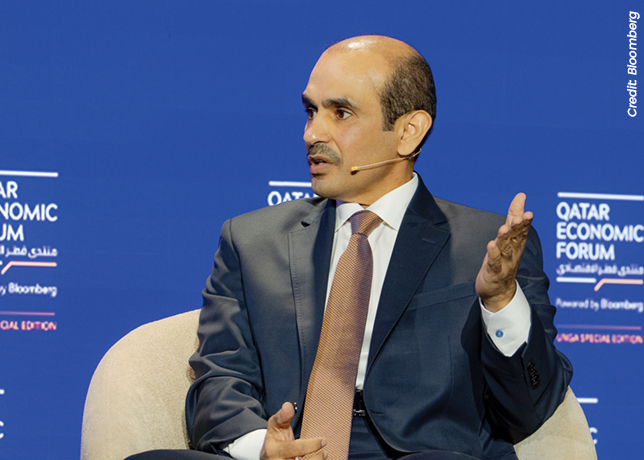
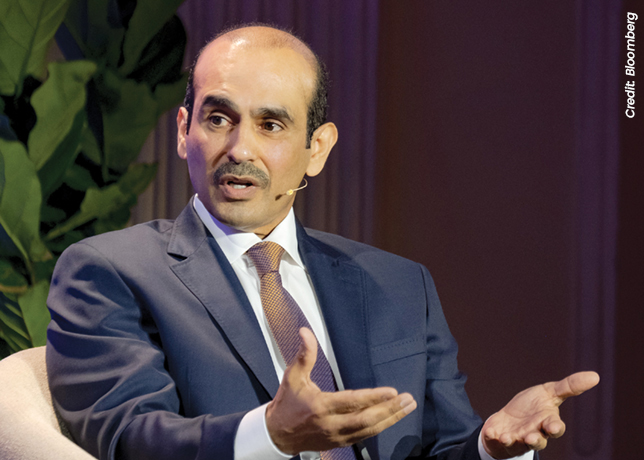
In an exclusive interview with OGN energy magazine, Gillan McNay, Security Director Assistance - Middle East, International SOS, says: “Human performance directly underpins safe production and crisis response.”
The shift reflects growing recognition that employee wellbeing, leadership resilience and operational readiness are interconnected across Gulf energy operations.
McNay highlights that companies must manage information overload, sustained psychological strain and perceived security threats to maintain performance during prolonged volatility.
This approach is becoming essential as investors and regulators increasingly assess human risk.

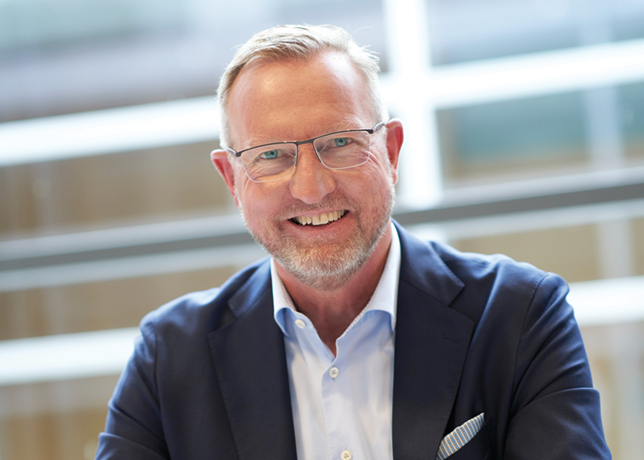
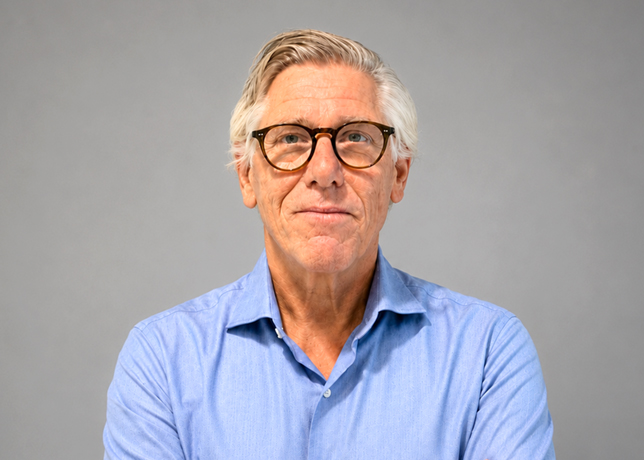
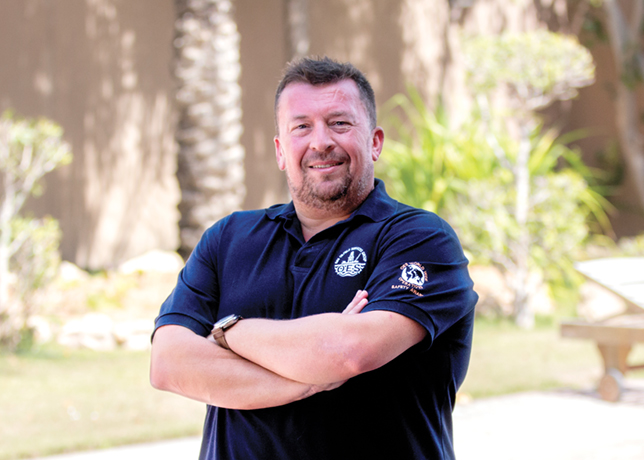
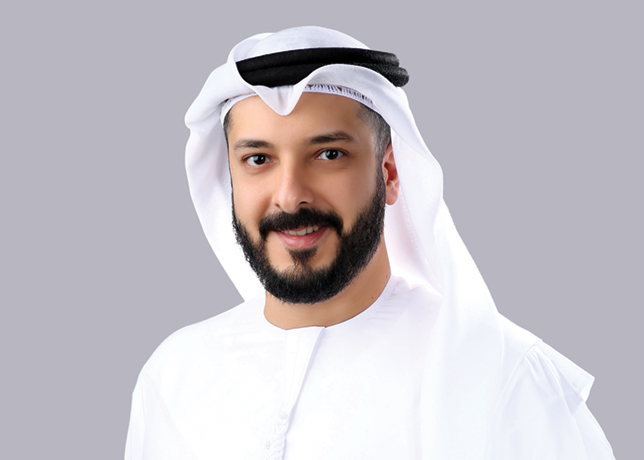
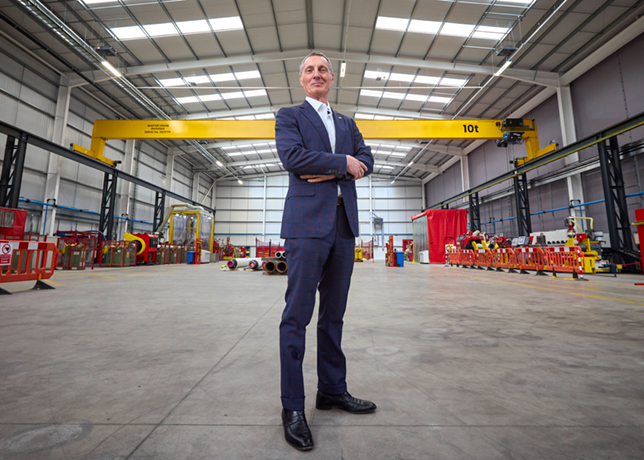
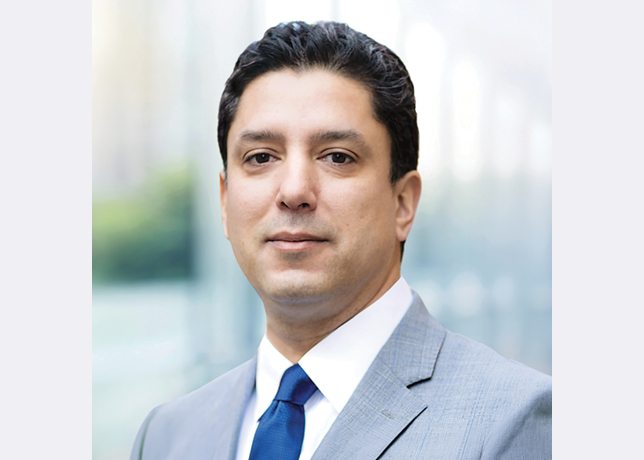
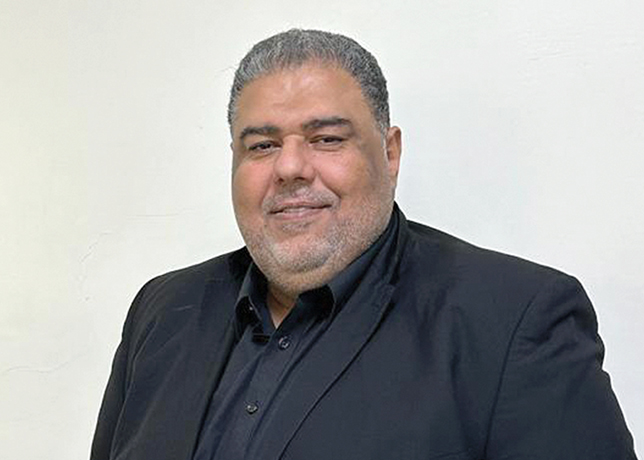
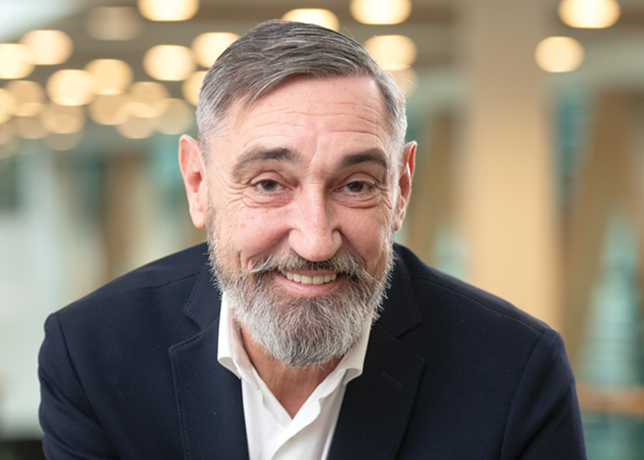
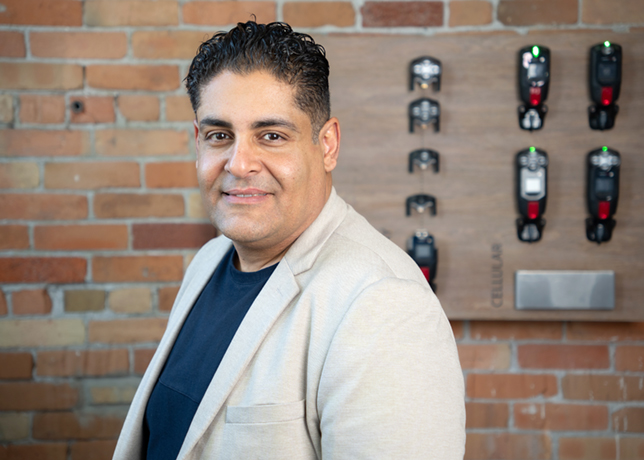
Gillan McNay
Below are excerpts from the interview:
International SOS notes that prolonged uncertainty is affecting employee wellbeing, focus and decision-making. In the context of the ongoing US-Iran tensions and heightened regional instability, how are energy companies redefining workforce resilience as a strategic operational risk rather than simply a human resources issue?
Energy companies are increasingly reframing workforce resilience as a core operational risk because human performance directly underpins safe production and crisis response.
In the context of regional instability, impaired concentration, fatigue and stress-related decision errors can have consequences equivalent to equipment failure.
We are seeing organisations integrate psychological risk into enterprise risk frameworks, linking workforce wellbeing metrics to operational KPIs.
This shift moves responsibility beyond HR to operations, HSE and executive leadership, emphasising that resilient people are as critical as resilient infrastructure in maintaining continuity under geopolitical pressure.
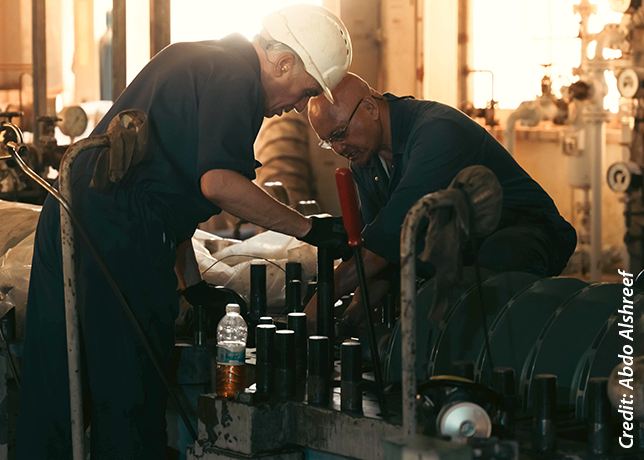
The link between psychological strain and operational risk is both direct and material
Thousands of personnel across the Gulf’s oil, gas, maritime and critical infrastructure sectors operate in high-pressure environments close to geopolitical flashpoints. What lessons have emerged from previous regional conflicts about the long-term psychological impact on frontline and rotational workforces, and where do companies still underestimate the risks?
Previous regional conflicts have shown that cumulative psychological strain, rather than acute trauma, poses the greatest long-term risk, particularly for rotational and frontline workers.
Prolonged exposure to uncertainty, coupled with family separation, contributes to burnout, reduced cognitive performance and attrition.
However, companies often underestimate “silent impacts”, such as chronic anxiety, sleep disruption and decision fatigue, which do not immediately present as clinical issues but degrade performance over time.
There remains a tendency to focus on acute incidents rather than the sustained erosion of resilience across extended operational cycles.
As energy infrastructure becomes increasingly digitised and interconnected, operational continuity depends heavily on human decision-making under stress. How significant is the link between psychological strain and critical operational risks such as cyber vulnerability, maritime disruption, plant safety and crisis-response failures?
The link between psychological strain and operational risk is both direct and material.
Stress impairs attention, slows reaction times and reduces risk perception, all critical in complex energy operations.
In cybersecurity, for example, fatigue increases susceptibility to phishing or procedural lapses; in maritime and plant environments, reduced vigilance can lead to safety incidents or response delays.
During crises, impaired cognition can compromise coordination and escalation decisions.
From an assistance perspective, human performance variability is often the determining factor between effective containment and escalation of operational threats.
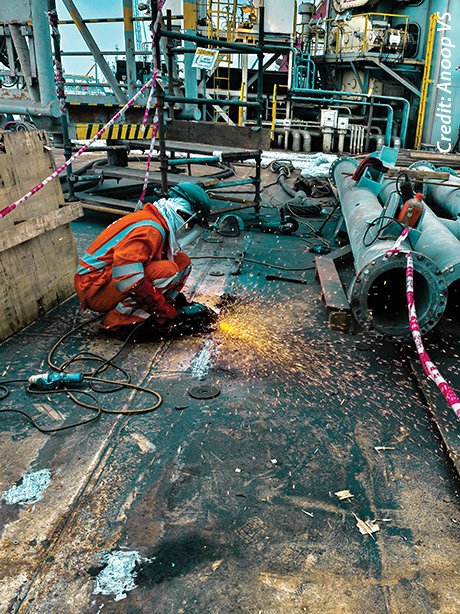
Energy companies are reframing workforce resilience as a core operational riskand material
International SOS highlights “information overload” and constant exposure to conflict-related news as a growing concern. How can energy-sector employers balance the need for real-time security awareness with the risk of amplifying anxiety, fatigue and impaired judgement among employees?
Balancing situational awareness with psychological load requires structured communication strategies.
Leading organisations are curating information, prioritising relevance, accuracy and actionability rather than volume.
Instead of constant alerts, they provide tiered updates with clear guidance on what employees need to do, if anything.
This reduces cognitive overload while maintaining preparedness.
Training employees to interpret risk information and recognise misinformation is equally important.
From a medical perspective, limiting exposure to continuous high-threat narratives can significantly reduce anxiety and preserve focus, particularly in high-risk, decision-dependent environments.
During previous regional crises, many companies focused heavily on physical evacuation and security protocols. Has the industry now reached a point where psychological preparedness and sustained mental-health support must be embedded into corporate duty-of-care frameworks alongside traditional security planning?
Yes, the industry is reaching a clear inflection point; psychological preparedness is now recognised as an essential component of ‘Duty of Care’.
Historically, evacuation and physical security dominated crisis planning, but recent experiences have demonstrated that unresolved psychological stress can persist long after physical safety is restored.
Embedding mental health into crisis frameworks, through pre-deployment training, in-crisis support and post-incident follow-up, is now considered best practice.
It ensures not only recovery but sustained operational capability during extended periods of instability.
International SOS refers to the “double load” of employees managing personal fears while supporting colleagues and families. In sectors such as offshore energy, shipping and petrochemicals, where extended shifts and expatriate workforces are common, what new employer-support models are proving most effective?
Effective models are shifting toward integrated, proactive support systems rather than reactive interventions.
This includes 24/7 access to mental health professionals, teleconsultation services, and embedded peer-support networks onboard vessels or sites.
Companies are also investing in leadership training to help supervisors recognise early signs of distress.
For expatriate and offshore workers, extending support to families is critical, reducing the “double load” effect.
Structured rotation planning, rest cycles and digital wellbeing tools are increasingly used to mitigate fatigue and maintain psychological resilience across prolonged assignments.
Gulf markets are simultaneously managing geopolitical instability, energy-transition pressures and major capital investment cycles. How are these overlapping stresses reshaping executive thinking around workforce retention, productivity and leadership resilience across the sector?
The convergence of geopolitical tension, energy transition and capital investment pressures is driving a more holistic view of workforce sustainability.
Executives increasingly recognise that retention and productivity are closely tied to how well organisations support employees under stress.
Leadership resilience is also under scrutiny, decision-makers themselves are operating under continuous pressure.
As a result, companies are investing more in leadership coaching, resilience training and organisational culture.
Workforce wellbeing is no longer peripheral; it is central to maintaining performance in a highly volatile operating environment.
International SOS emphasises “immediately applicable techniques” and scalable regional delivery. In practice, how can large energy operators measure whether psychological-support programmes genuinely improve operational performance, workforce stability and crisis readiness rather than simply fulfilling compliance requirements?
Measurement is evolving from activity-based metrics to outcome-based indicators.
Organisations are correlating psychological-support initiatives with absenteeism rates, incident frequency, retention data and operational disruptions.
Pre- and post-intervention assessments, such as stress, fatigue and cognitive performance indicators, provide tangible insights.
Additionally, response efficiency during drills and real incidents offers a practical measure of crisis readiness.
From an assistance standpoint, the most effective programs demonstrate clear links between improved wellbeing and reduced operational risk, rather than simply fulfilling governance requirements.
Maritime security risks, shipping-route uncertainty and concerns around critical infrastructure protection have intensified during recent regional tensions. How are energy and logistics companies adapting crisis-management strategies to support employees who may feel exposed to prolonged geopolitical threats despite remaining physically outside conflict zones?
Companies are broadening crisis-management strategies to address perceived risk, not just actual proximity to conflict.
Even when physically distant, employees may feel exposed due to media coverage and uncertainty around escalation.
Organisations are enhancing communication transparency, offering regular briefings, and reinforcing access to support services.
Scenario planning and reassurance around contingency measures, such as evacuation readiness and supply chain continuity, help reduce perceived vulnerability.
Psychological support is integrated into crisis communication, ensuring employees remain confident, informed and able to perform effectively.
Looking ahead, do you believe prolonged geopolitical volatility in the Middle East will permanently change how global investors, operators and governments assess workforce resilience and corporate duty of care within the energy sector, particularly for projects tied to strategic infrastructure and the energy transition?
Prolonged geopolitical volatility is already reshaping expectations around workforce resilience and duty of care.
Investors and regulators are placing greater emphasis on how organisations manage human risk alongside financial and operational exposures.
For strategic infrastructure and energy transition projects, workforce stability is becoming a key determinant of project viability.
We can expect resilience metrics, mental health provisions and crisis preparedness to be scrutinised more closely in due diligence processes.
Ultimately, organisations that proactively invest in workforce resilience will be better positioned to attract capital and sustain long-term operations in a volatile region.