














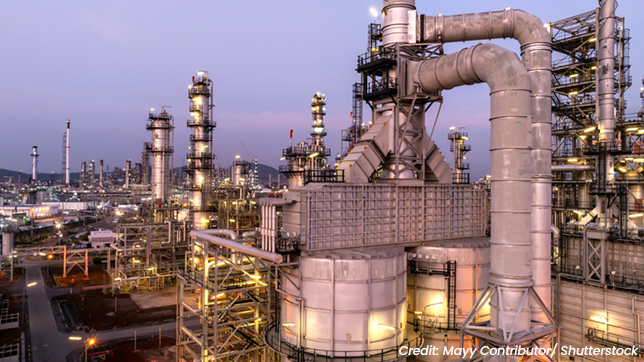
















Aging process facilities are one of the oil and gas industry’s most persistent challenges, and one of its greatest opportunities.
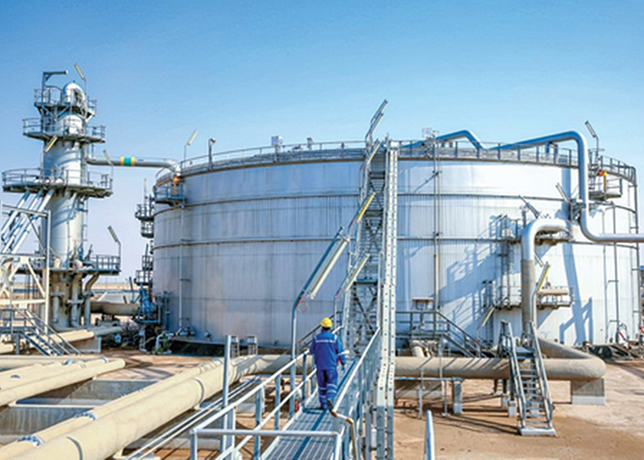
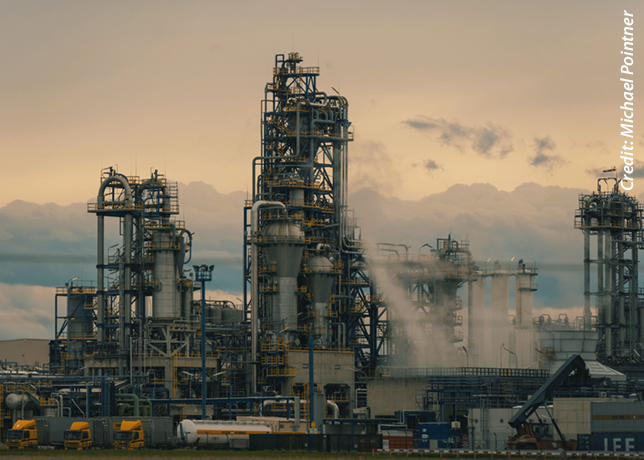
Across refineries, gas plants, petrochemical complexes and other high-hazard operations, many critical assets are now well beyond their original design life.
Some are still producing efficiently, while others are limping along under a growing burden of wear, degradation and operational workarounds.
The difference between the two is usually not age itself, but how the asset is managed.
For operators, the question is no longer whether assets are aging; that is a given.
The real question is whether the organisation is managing those assets in a way that keeps them safe, reliable and economically viable.
In many cases, the answer lies in moving away from reactive maintenance and toward a disciplined, engineering-led lifecycle strategy.
That means using inspection data, operating history, risk analysis and business priorities to decide when to maintain, repair, revamp, derate or retire equipment.
This shift matters because aging assets do not fail in a neat, predictable pattern.
They deteriorate in different ways, including corrosion in pressure systems, fatigue in rotating or cyclic equipment, fouling in exchangers, drift in instrumentation, seal wear in pumps, and gradual structural weakening in supports and pipe racks.
These issues may appear minor at first, but over time they can create recurring production losses, unplanned shutdowns and, more importantly, process safety exposure.

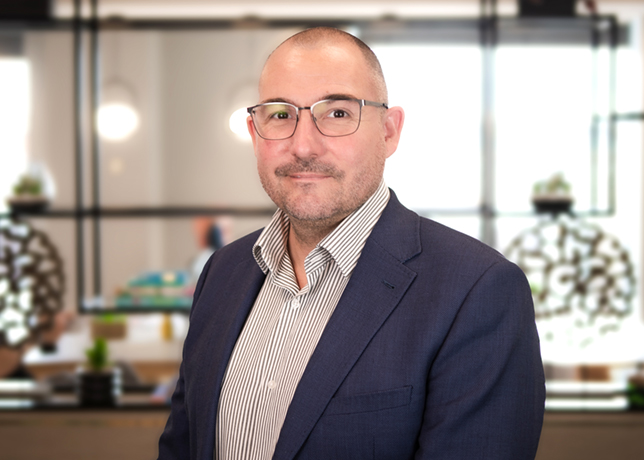
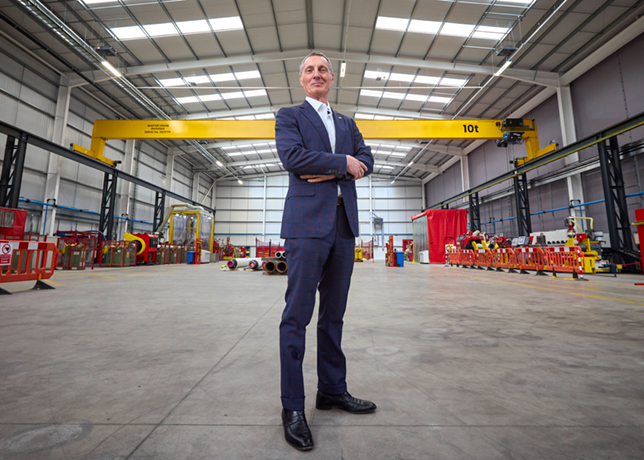
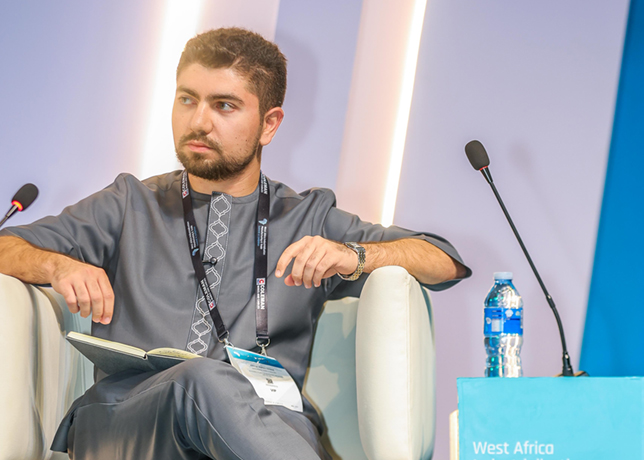
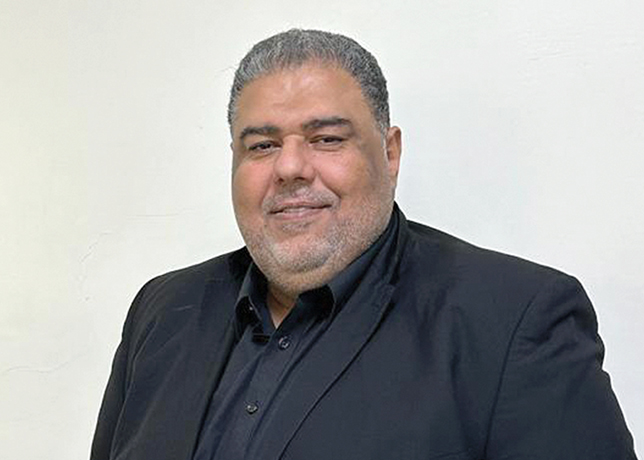
Anupam Sharma
INTEGRITY IS MORE THAN MAINTENANCE
A common mistake is to treat asset integrity as a maintenance problem alone.
In reality, it is a process safety issue, reliability issue and a business issue all at once.
When a plant begins to experience repeated leaks, chronic equipment failures or repeated operating excursions, the problem is rarely just “bad equipment”.
It is usually a signal that the organisation needs to look deeper at the asset’s condition, design limits, operating envelope and maintenance philosophy.
That is why engineering-led integrity management is so important.
It begins with factual questions: What is the actual condition of the asset? What degradation mechanisms are active? What failures are recurring? What is the consequence if nothing changes?
From there, a plant can prioritise interventions based on risk rather than habit.
Some items may only need monitoring, others may need repairs, while a few may need a full revamp or replacement.
This is also where the best plants differentiate themselves.
They do not wait for failure to force a decision, they use inspection findings, reliability trends and risk rankings to get ahead of the problem.
That approach reduces the likelihood of serious incidents and also makes better use of capital.
RELIABILITY & PROCESS SAFETY GO TOGETHER
In older facilities, reliability improvement and process safety improvement are often the same thing viewed from different angles.
Equipment that frequently trips, leaks or underperforms is not only costly; it can also push operators into abnormal conditions, bypasses and temporary fixes.
Those shortcuts may keep production moving in the short term, but they often increase long-term risk.
For this reason, the highest-value reliability work is usually focused on the assets and systems that matter most: Critical rotating equipment, utilities, control and safety instrumentation, relief systems, transfer lines, and process structures that support plant operation.
These are the items where small improvements can create large benefits in uptime, safety and maintenance effort.
A mature integrity programme should, therefore, not be built around generic maintenance routines; it should be built around criticality.
Which assets can hurt the business if they fail? Which ones can create a safety event? Which failures are becoming more frequent?
Once these questions are answered honestly, priorities become much clearer.
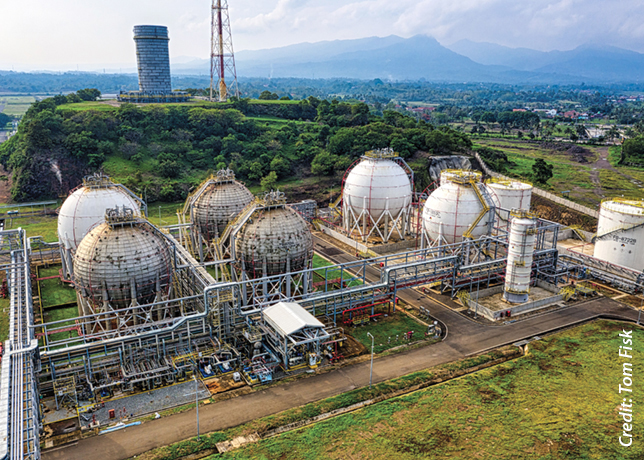
If managed well, mature facilities could still contain substantial value
OPERATIONAL DISRUPTIONS & RESTART RISK
Unplanned interruptions, whether caused by geopolitical events, equipment damage, supply-chain disruption or other external shocks, can create additional stress on aging facilities.
When a plant is partially shut down, idled or forced into an altered operating mode, the asset may experience thermal cycling, pressure transients, corrosion exposure, contamination, deferred maintenance accumulation and changes in turnaround timing.
Restarting under these conditions should, therefore, be treated as a lifecycle integrity challenge, not simply as a procedural step.
For aging facilities, the greatest risk is often not the interruption itself but the way the restart is managed.
A disciplined pre-startup review should confirm the current condition of equipment, identify any outstanding maintenance or inspection items, verify safety system functionality, and ensure that the restart plan reflects the actual state of the plant rather than the original assumptions.
Plants that treat restart as a formal engineering and operational decision are better positioned to avoid latent failures, reduce unplanned downtime and protect the value of the asset during and after disruption.
REVAMPS SHOULD CREATE VALUE, NOT JUST COST
Although in many organisations, “revamp” still sounds like a capital project word, it should be seen as a strategic tool for value creation in aging facilities.
A well-designed revamp can reduce bottlenecks, simplify operation, improve maintainability and lower the frequency of off spec or unstable conditions.
The same is true of debottlenecking, which is often discussed as a capacity exercise, but in practice it can also be a safety and reliability exercise.
Hidden bottlenecks force plants to operate in stretched or unstable modes, and operators may compensate manually, push equipment harder or accept repeated interruptions.
Removing those constraints can improve throughput while also making the process safer and easier to run.
SUSTAINABILITY STARTS WITH USING ASSETS WELL
Sustainable asset management is often discussed in terms of emissions, energy efficiency and carbon intensity.
And although these are important topics, however, sustainability in aging process facilities also has a more practical meaning: Using existing assets wisely, avoiding waste, and extending useful life in a safe and economically rational way.
A plant that repeatedly repairs the same defect is not being sustainable, and neither is a plant that replaces equipment too early because it has no clear lifecycle strategy.
Sustainable asset management means choosing the right intervention at the right time.
It means keeping assets in service longer when that is safe and sensible, and revamping or retiring them when that is not.
For many operators, this is where asset integrity and sustainability meet.
The same disciplined practices that improve safety and reliability also support more sustainable operations.
If the plant can make better decisions on maintenance, repair and life extension, it is likely to use fewer resources over the asset lifecycle.
LEADERSHIP MAKES THE DIFFERENCE
No integrity programme succeeds without strong leadership commitment, particularly when ageing assets demand sustained investment and disciplined decision-making.
Ageing facilities are expensive to manage, making it tempting to defer essential work, although delaying intervention almost always increases operational risk and long-term costs.
Effective organisations align operations, maintenance, inspection, engineering and project execution around a shared understanding of asset condition, reliability and risk.
Such cross-functional coordination is vital because no single function possesses the complete operational, technical and commercial perspective needed for sound decisions.
The challenge is integrating these diverse perspectives early enough to maximise safety, reliability and long-term asset value.
THE BIGGER LESSON
The biggest misconception about aging assets is that they are a burden to be tolerated.
In reality, many mature facilities still contain substantial value, if they are managed well.
They often have extensive operating history, well-understood failure modes and equipment that, while old, can still perform reliably with the right attention.
That is why the conversation should not be about age alone.
It should be about condition, risk and lifecycle strategy.
Plants that make that shift are in a better position to remain safe, reliable and profitable.
They are also better positioned to support sustainability goals by using existing infrastructure more effectively.
Aging assets will remain a defining issue for the industry for years to come.
The companies that succeed will be those that treat integrity as a strategic discipline, revamps as value-creation opportunities, sustainability as part of asset stewardship, and digital tools as enablers of better decisions.
In a sector where performance, safety and economics are tightly linked, that is not just good practice; it is a competitive advantage. n
* Anupam Avinash Sharma is a senior industrial and business development consultant with more than 25 years of experience in the Middle East across energy, chemicals, mining and utilities. His interests include process safety, operational integrity, reliability improvement and lifecycle optimisation of aging assets. He is based in Khobar, Saudi Arabia.