


















By Abdulaziz Khattak
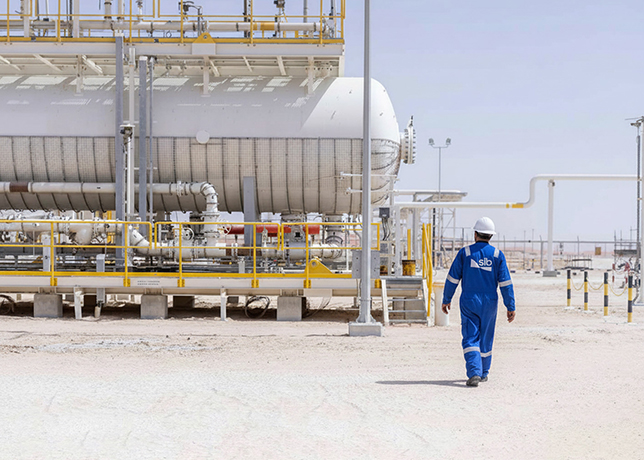
Saudi Arabia might finally be about to realise a nuclear ambition nursed for decades, after the US agreed to offer the Kingdom American reactor technology.
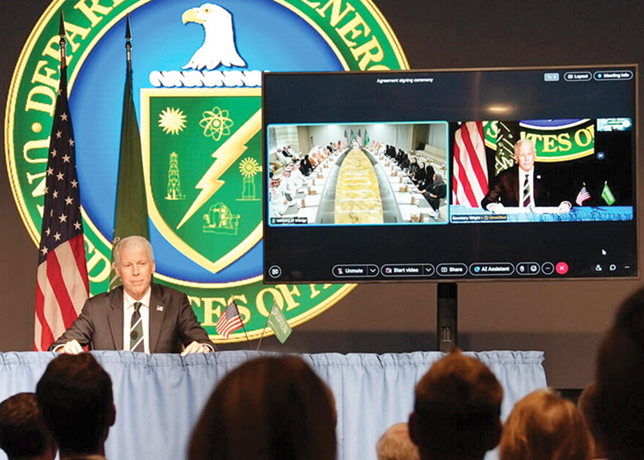
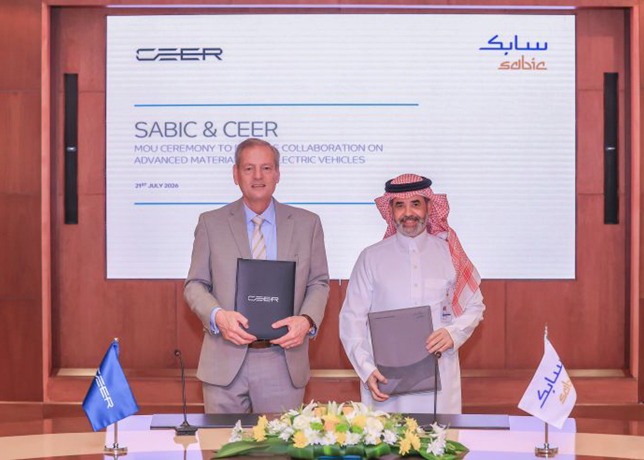
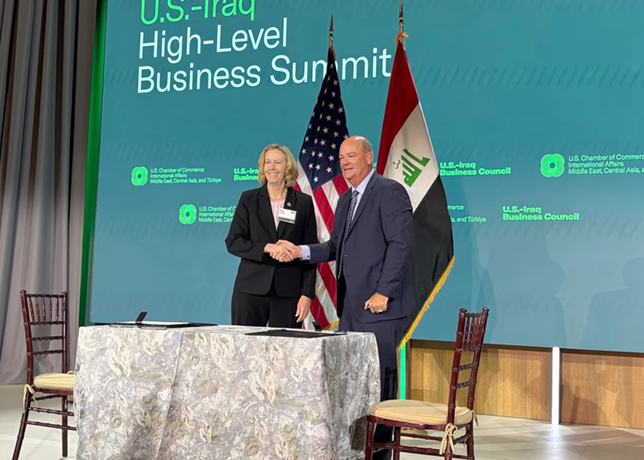
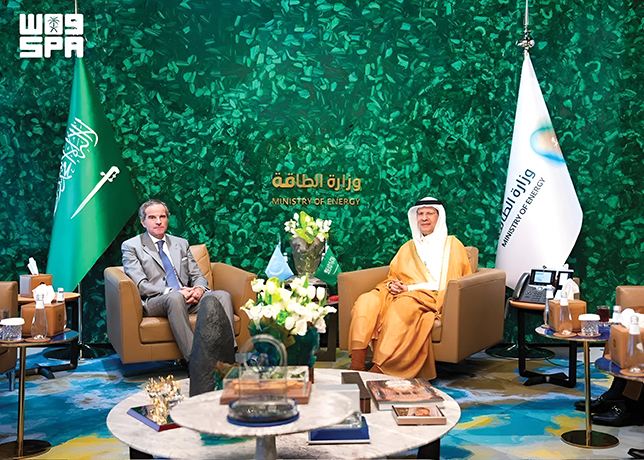
Prince Abdulaziz bin Salman, Saudi Energy Minister, and Chris Wright, US Energy Secretary, signed the civil nuclear cooperation agreement, known formally as a ‘123 Agreement’ alongside a bilateral safeguards accord underpinning a partnership expected to run for three decades and generate tens of billions of dollars for the American industry.
Under Section 123 of the Atomic Energy Act 1954, Riyadh must place all facilities under International Atomic Energy Agency (IAEA) safeguards, guarantee no diversion towards weapons, and secure Washington’s consent before retransferring materials or pursuing enrichment.
Officials, such as Mike Waltz, US envoy to the UN, insist the programme is strictly civilian.
“There is no enrichment envisioned,” he said, although a joint two-year study will assess whether an enrichment facility is later warranted.
Riyadh’s motivation is domestic, and is in line with the diversification drive of Mohammed bin Salman, Saudi Arabia’s Crown Prince.
Nuclear power would free oil currently burned for electricity, boosting export volumes and supporting new sectors including artificial intelligence (AI) and manufacturing.
For Saudi Arabia, access to nuclear technology enhances regional prestige and strengthens its economic and strategic position.
It could also support the domestic economy by fueling new sectors from AI to industrial manufacturing.
On the other hand, the US sees commercial value in the deal.
The US Department of Energy has already committed some $80 billion to revive the domestic nuclear sector, including roughly $18 billion in loans to Westinghouse for its AP1000 reactor line.
The construction of a single AP1000 takes close to a decade, and servicing contracts would bind the two nations commercially for a generation, while excluding Chinese and Russian suppliers from the Kingdom’s nuclear build-out and reinforcing America’s strategic footprint in the Gulf.
Donald Trump, the US President, has made implementation conditional on Riyadh joining the Abraham Accords, the normalisation framework with Israel first brokered in 2020.
Saudi Arabia has consistently declined to sign without a credible pathway to Palestinian statehood.
The agreement now awaits transmission to Congress, which retains a review period before it can enter into force.