








































Methane emissions from the global energy sector remained near record highs in 2025, despite growing international commitments to reduce emissions, according to the latest report by the International Energy Agency.
The IEA’s Global Methane Tracker 2026 found no significant global decline in methane emissions from fossil fuels, highlighting a major gap between climate pledges and implementation.
The report, launched during a high-level methane summit in Paris hosted under France’s G7 Presidency, drew on satellite data and measurement campaigns to assess global emissions trends.
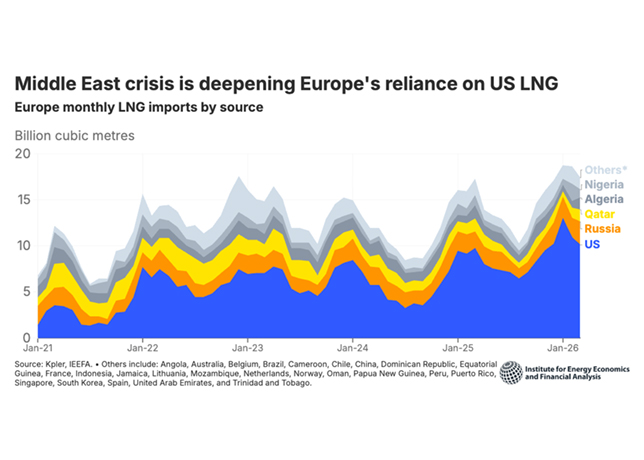
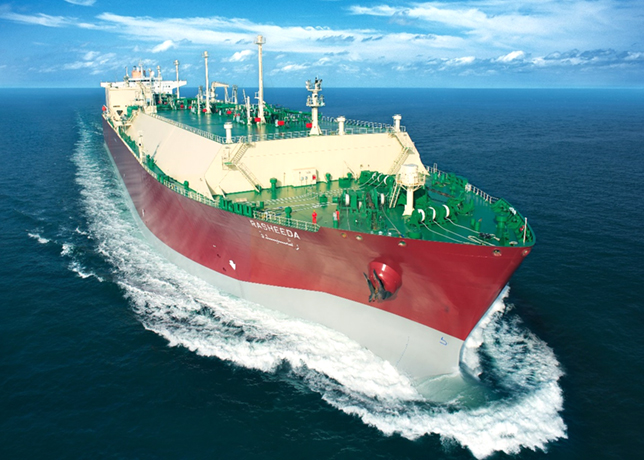
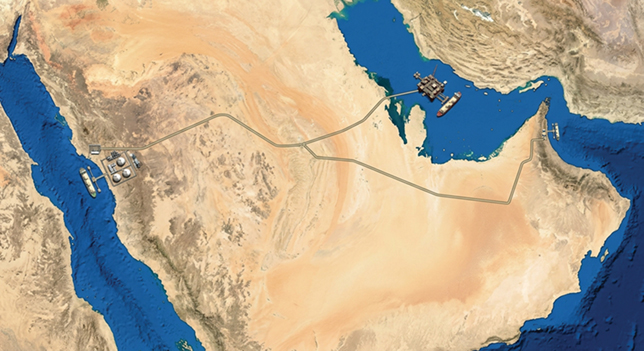
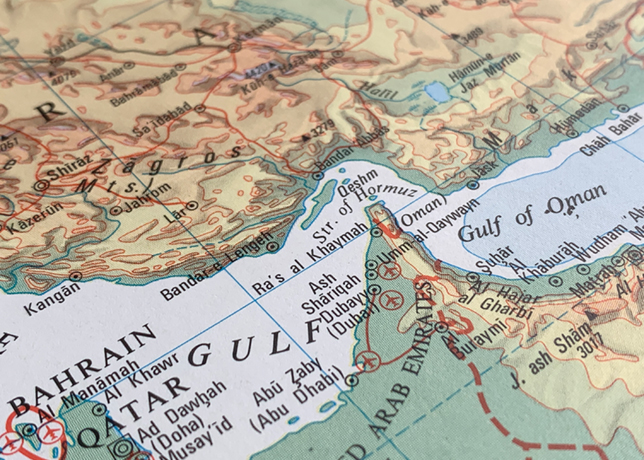
The agency said tackling methane leaks could significantly strengthen global energy security, particularly amid ongoing disruptions in the Middle East and reduced LNG supplies linked to tensions around the Strait of Hormuz.
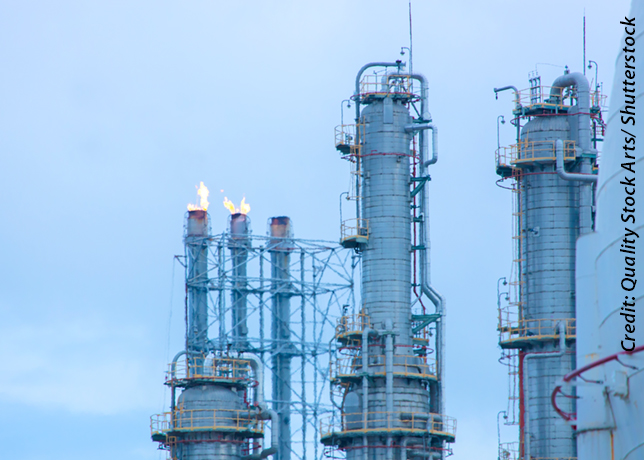
According to the report, rapid deployment of methane abatement measures could make nearly 15 billion cubic metres of gas immediately available to markets, while long term reductions and an end to routine gas flaring could unlock up to 200 bcm annually.
The report estimated that around 70 per cent of methane emissions from fossil fuels could be reduced using existing technologies, with more than 35 million tonnes avoidable at no net cost under 2025 energy prices.
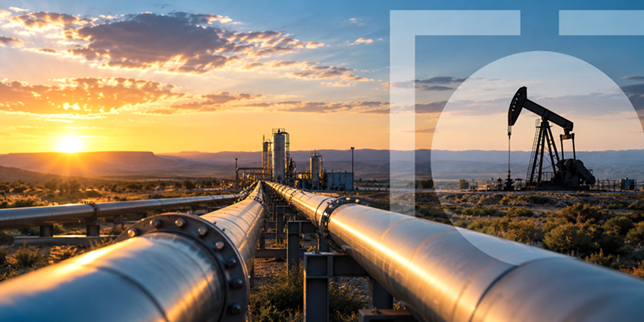
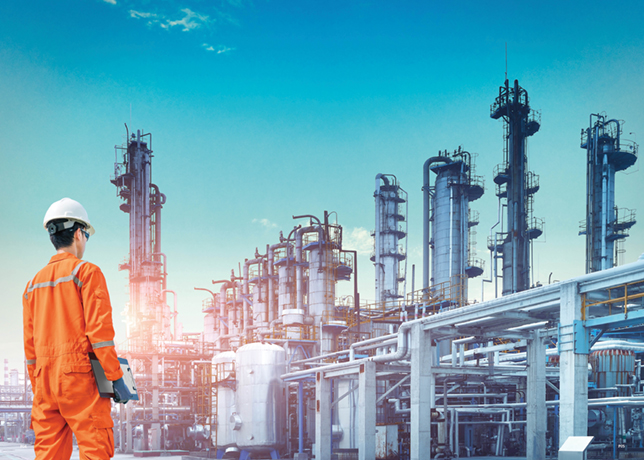
The IEA also noted that upstream oil and gas operations account for around 80 per cent of sector methane emissions.
Canada and the European Union have introduced stronger regulations, while countries including Brazil, Ghana and Kazakhstan are developing similar measures.