



















































Corrosion in oil and gas production systems cannot be viewed as a single, isolated mechanism; it results from multiple interacting factors that together define how damage develops at the pipeline surface over time.
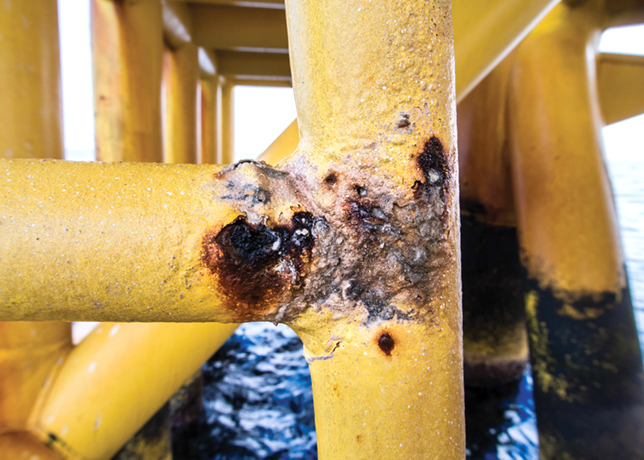
Rather than being uniform, corrosion is highly localised. Different mechanisms such as general surface corrosion, pitting, and attack at welds can occur simultaneously within the same pipeline or piece of equipment.
These variations are driven by complex production conditions, including the combined flow of oil, gas, and water, as well as the presence of dissolved ions, carbon dioxide (CO2) and other potentially acidic gases.
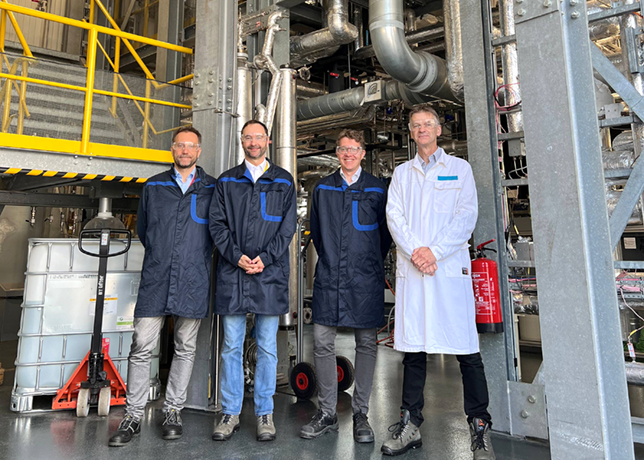
Linking insights from the laboratory and field performance, Clariant Oil Services experts demonstrate corrosion is primarily controlled by conditions at the immediate metal surface, rather than by the bulk composition of the fluids in the system.
In gas production systems where water is intermittently present, even small amounts of water can accumulate locally and create corrosion hot spots.
At the same time, high flow velocities can disrupt or strip away protective chemical films, exposing fresh metal surfaces and accelerating corrosive attack.
These dynamics make corrosion a continuously evolving surface process, strongly influenced by flow regime, wetting behaviour, and local chemistry rather than a static or uniform reaction across the system.
Corrosion inhibition can take many forms but one of the most common is to form a protective chemical film on the metal surface, with performance depending on its ability to withstand operational stress.
In multiphase or high-water systems, this film is continuously challenged by dilution, shear forces, and surface disruption.
Effective inhibitors must rapidly reach the metal surface and maintain protection under these conditions, particularly in localised corrosion such as pitting or weld attack.
This challenge is further intensified by mineral scale formation, which creates isolated surface environments, restricts chemical access, and increases the risk of under-deposit corrosion.
Increasingly, these performance demands are being met alongside sustainability goals, with new inhibitors developed from renewable, low-toxicity feedstocks that are more biodegradable and freer from conventional components such as sulphates and ethoxylates, while still delivering strong corrosion protection.
Laboratory validation and field performance together ensure inhibitor systems are designed for real operating conditions, accounting for both general and localised corrosion mechanisms.
As production environments grow more complex, corrosion management is shifting toward integrated chemical solutions designed around real system behaviour, with a focus on surface-level mechanisms and protective film stability under continuous stress.