
































The Middle East and North Africa (Mena) region faces a highly complex energy transition landscape characterised by structural fractures, deep geographic imbalances, and extremely uneven progress across national territories.
According to the Energy Transition Index 2026 report, published by the World Economic Forum in collaboration with Accenture, the global transition has broadly flatlined despite record international clean energy investment reaching $3.3 trillion.
Overall regional security scores dropped by 2.2 per cent to 65.85, representing a stark systemic vulnerability that was brutally exposed by the disruption to energy flows through the Strait of Hormuz.
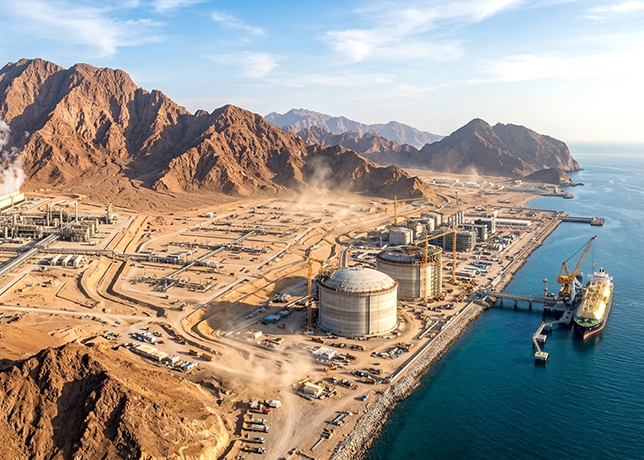
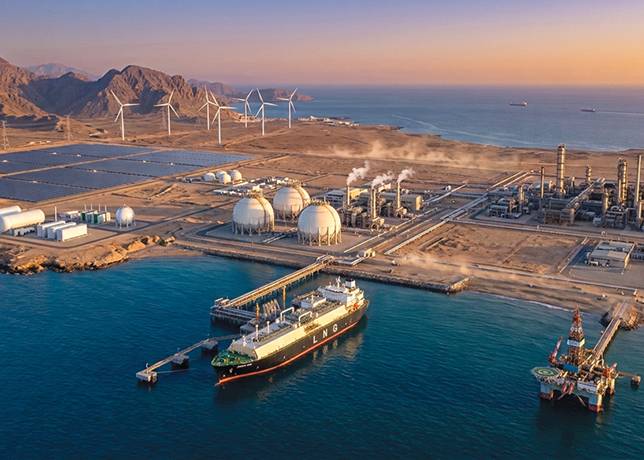
This critical maritime chokepoint handles approximately 20 million barrels of oil per day, representing 25 per cent of the entire global seaborne oil trade, and 19 per cent of the global liquefied natural gas (LNG) trade.
The sudden bottleneck sent shockwaves through energy markets, demonstrating the extreme fragility of current supply chains and forcing import-dependent nations to rethink their long-term strategies.
GCC’s DISPARATE TRAJECTORIES
Project execution in the GCC is led prominently by Saudi Arabia, where the overall country score increased by 1.5 per cent to reach 57.4.
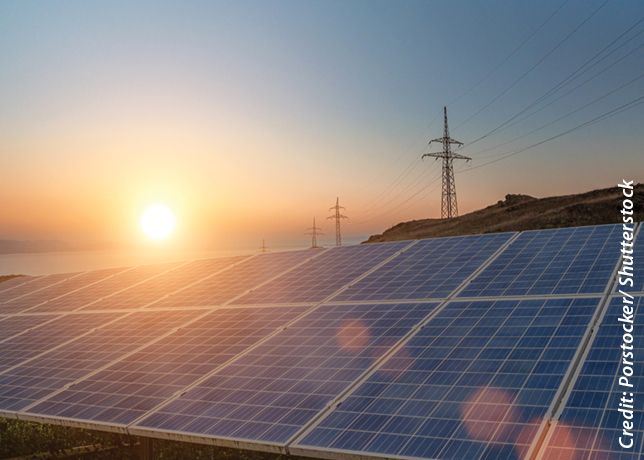
Riyadh aggressively accelerated its clean energy transition enablers, expanding future readiness by 5.3 per cent as massive renewable energy investments surged from $6.6 billion in 2024 to $11.9 billion in 2025.
Some 20.6 gigawatts (GW) worth of projects were tendered under the National Renewable Energy Programme, achieving world-leading low solar tariffs alongside major commitments to large-scale battery storage infrastructure.
Other GCC states maintain moderate but stable positions on the index, with the UAE scoring 59.1, Qatar at 56.6, Oman at 54.0, and Bahrain registering at 50.6.
Conversely, Kuwait recorded a sharp 10 per cent decline in energy efficiency due to domestic consumption and highly subsidised pricing policies.
POLICY EXECUTION GAPS
The underlying decision drivers behind these increasingly disparate regional trends stem directly from deep macroeconomic pressures, strict institutional constraints, and vastly varying fiscal capacities.
While Mena’s wealthy oil-exporting nations possess the necessary capital to navigate complex economic restructuring, non-oil economies face severe fiscal limitations.
For nations such as Tunisia, Jordan, Lebanon and Egypt, acute fiscal stress and immediate, pressing energy security concerns have significantly delayed critical policy implementations and weakened regulatory consistency, rather than entirely reversing their long-term ambitions.
Furthermore, there was a sharp drops across the region in regulation and political commitment, which fell by 3.8 per cent, while infrastructure declined by 2.4 per cent.
Looking ahead, the regional transition will be increasingly dictated by how successfully these diverse countries manage to balance legacy fossil fuel architectures with clean infrastructure investments, all while mitigating severe, unpredictable supply chain and geopolitical risks.
As fragmentation intensifies, regional leaders are urgently compelled to prioritise supply chain resilience and aggressively expand carbon management frameworks, especially considering that 80 per cent of all seaborne crude passing through these regional routes is destined for rapidly expanding Asian markets.
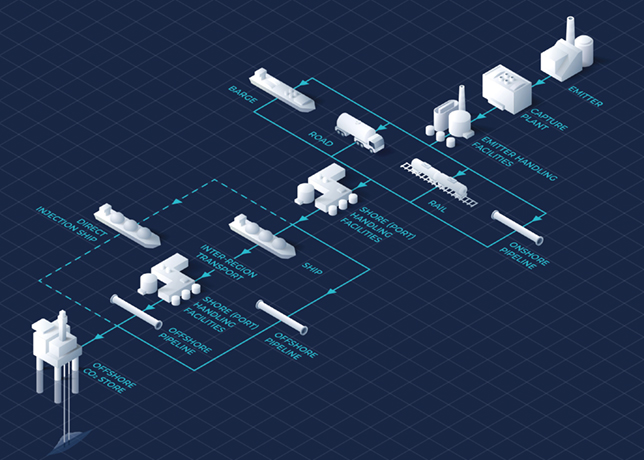
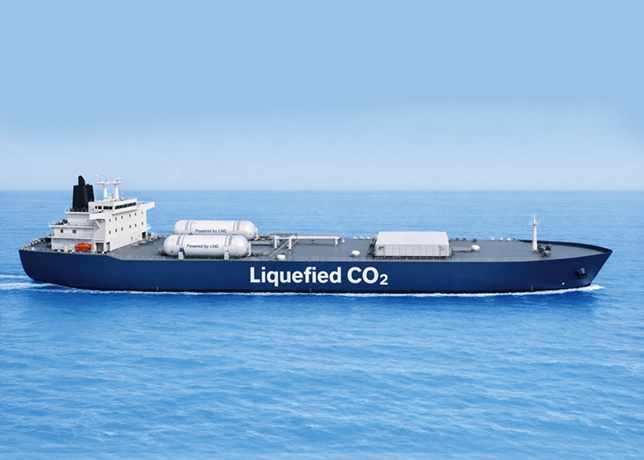
Future economic and energy stability depends heavily on advancing strategic priorities, including carbon capture, utilisation, and storage, alongside rapidly scaling low-carbon hydrogen.
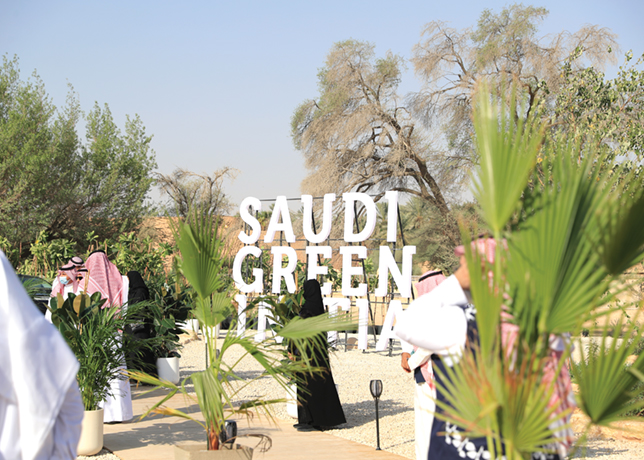
These measures are essential to successfully advance the comprehensive Saudi Green Initiative and to usher in the next critical, transformative phase of sustainable, long-term regional industrial development across the Middle East.