












































Global energy investment is set to reach about $3.4 trillion in 2026, with roughly $2.2 trillion flowing into clean energy and $1.2 trillion into fossil fuels, according to the International Energy Agency’s (IEA) World Energy Investment 2026 report.
While fossil fuels still dominate total energy use, subsidies and implicit costs reveal they remain heavily underpriced rather than cheap.
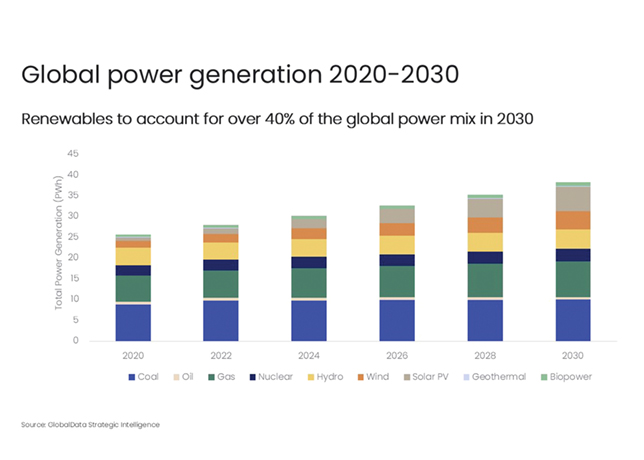
Clean energy already leads in electricity generation growth, with renewables supplying 34 per cent of global power in 2025 and fossil-free sources reaching 43 per cent with nuclear.
Despite fossil fuels still providing about 80 per cent of total energy, this share reflects past infrastructure rather than future direction.
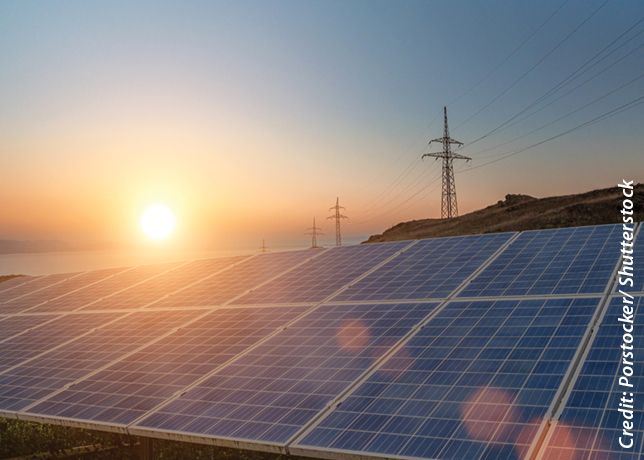
Electricity is already decarbonising fastest, driven by rapid solar expansion and rising wind and nuclear output.
Clean energy met all new electricity demand growth in 2025, preventing any net increase in fossil generation globally.
The transition is also being shaped by efficiency gains, as electrified systems like heat pumps and electric motors use far less energy than combustion-based technologies.
Much of today’s fossil energy is lost through extraction, transport, and burning, meaning far more energy is required to deliver useful services than clean systems need.
The IEA notes that most current energy investments are already locked in, shaping the system for decades.
Investors are increasingly backing cleaner technologies not only for emissions reasons but because they are more efficient, less wasteful, and more secure.
While fossil fuels remain significant, the direction of capital and technology increasingly favours a lower-cost, electrified global energy system.