



















The structural evolution of the Sultanate of Oman’s energy architecture offers a masterclass in how an oil-dependent state can systematically deploy foreign private capital, highly specialised technical intervention, and strategic joint-venture frameworks to prolong its mature basins while building a bridge to a decarbonised future.
While national oil companies (NOCs) such as OQ and Petroleum Development Oman (PDO) maintain domestic custodianship, the operational heavy lifting increasingly falls to a sophisticated group of international oil companies (IOCs) and agile regional independent operators.
Oman’s geological profile is inherently complex, characterised by tight, low-permeability reservoirs and highly viscous heavy oil accumulations.
Overcoming these barriers requires substantial capital and specialised technologies.
Private energy companies have moved beyond their traditional roles as simple equity partners to become core co-architects of Oman’s national energy security, driving innovation across enhanced oil recovery (EOR), deep tight gas manufacturing, and green maritime infrastructure.
Nowhere is this technical symbiosis clearer than in Occidental Petroleum’s (Oxy Oman) long-term commitment to the Sultanate.
As the country’s second-largest hydrocarbon producer, Oxy has carved out a unique position by tackling some of the region’s toughest subsurface challenges.
This commitment was reinforced by Occidental Mukhaizna landmark 15-year extension of its Exploration and Production Sharing Agreement (EPSA) for the massive onshore Block 53.
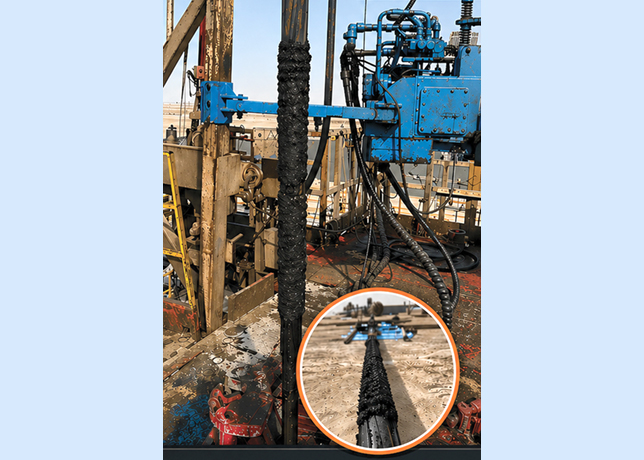
Block 53 represents one of the Middle East’s largest mechanical and thermal steam-flood EOR initiatives.
The renewal of this asset allows Oxy and its partners to target an estimated expansion of 800 million gross barrels.
By integrating advanced pattern optimisation, machine learning (ML) diagnostics, and automated thermal distribution systems, Oxy aims to squeeze maximum recovery from a field that has already produced over 640 million barrels from approximately 3,500 active wells.
This aggressive investment program underscores a broader corporate strategy: Even as global majors rebalance their asset portfolios, private capital continues to treat Oman’s proven, complex heavy-oil reserves as foundational, high-margin assets.
TIGHT GAS INFRASTRUCTURE
Simultaneously, the race to secure Oman’s domestic gas pipeline network has transformed unconventional gas extraction into a massive manufacturing exercise.
BP Oman’s operations in Block 61, encompassing the technically complex Khazzan and Ghazeer tight gas fields, demonstrate the immense value of private operational expertise.
Utilising ultra-staged hydraulic fracturing and high-density cluster spacing, BP has unlocked deep, highly pressurised formations that were once considered inaccessible.
Recent operational data indicates that Block 61 delivers an astounding 547.5 billion cu ft (bcf) of natural gas annually, maintaining a daily output floor of roughly 1.5 bcfpd.
This massive volume accounts for approximately 35 per cent of Oman’s total domestic gas consumption, supplying power to local heavy industries, processing plants, and desalination facilities.
Furthermore, bp’s operational efficiency is paired with top-tier environmental standards, earning an Oil and Gas Methane Partnership (OGMP) Level 5 ranking for its accurate, real-time methane monitoring.
To ensure long-term commercial sustainability, these production achievements are backed by structural legal updates, including a newly signed 9-year, 1 million tonnes per annum (mtpa) liquefied natural gas (LNG) offtake agreement with Oman LNG.
LOWER-CARBON COMMERCIAL CORRIDORS
This upstream gas security is driving a major transformation in Oman’s downstream and marine infrastructure.
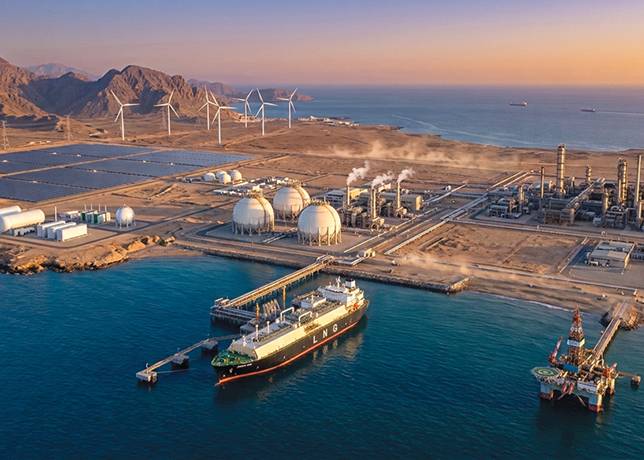
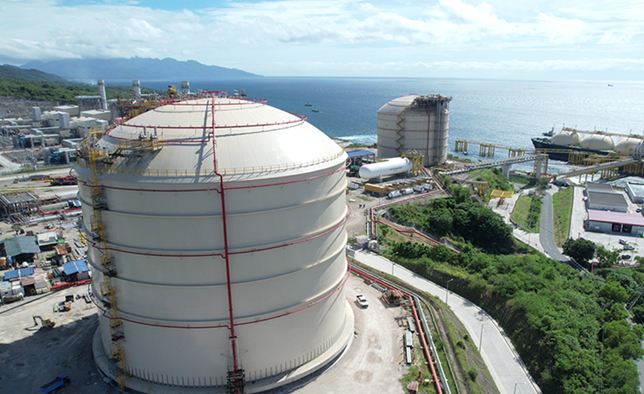
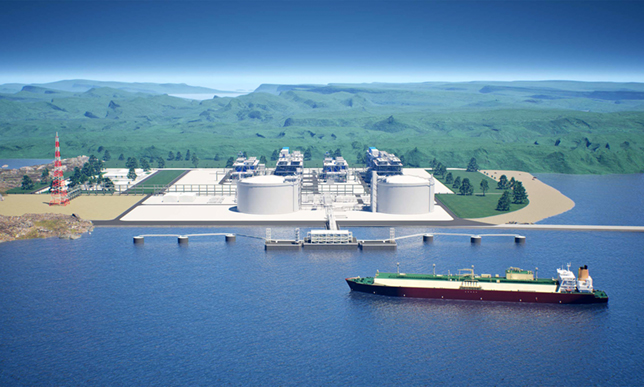
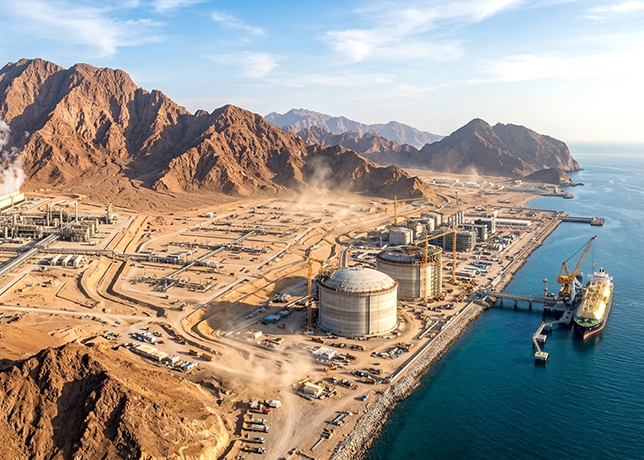
TotalEnergies, in a strategic joint venture with OQ Exploration and Production (OQEP), is spearheading the Marsa LNG project in Sohar.
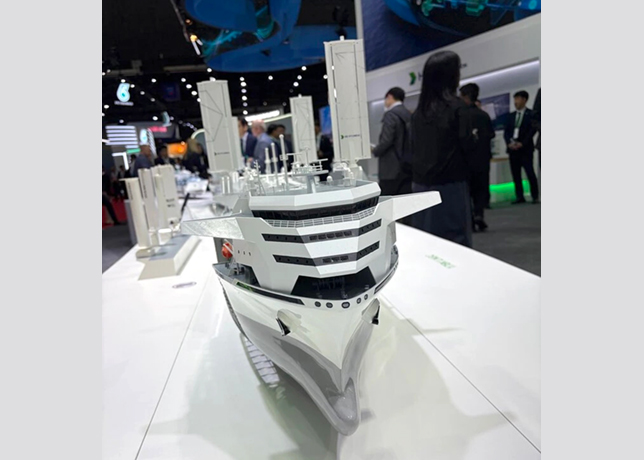
This innovative $1.6-billion venture is designed to build a modern, fully electric, low-carbon LNG bunkering hub to serve international shipping routes along the Gulf of Oman.
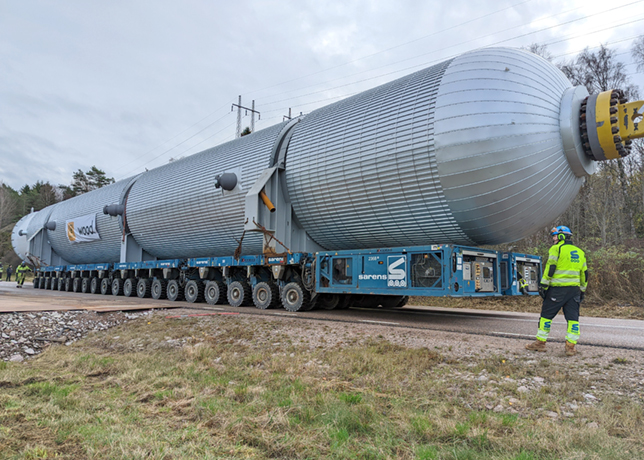
The project recently achieved a key milestone with the successful ‘air-raising’ of a 631-tonne steel roof for its 165,000 cu m full-containment concrete LNG storage tank.
With total construction progress tracking at 39 per cent, the asset is on schedule for commercial commissioning by the mid-2028 window.
By replacing conventional marine fuel oil with lower-carbon LNG, TotalEnergies and OQEP are leveraging private project-execution capabilities to establish Oman as a vital hub for cleaner global shipping.
Oman’s open and collaborative regulatory environment has also created a highly active secondary market for corporate joint ventures.
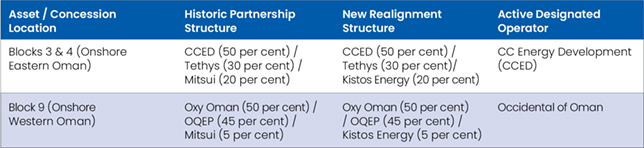
A clear example is Japanese conglomerate Mitsui and Company’s divestment of its upstream Omani portfolio via its subsidiary Mitsui E&P Middle East for $148 million.
This transaction allowed Kistos Energy Middle East Limited to absorb these minority stakes, reshaping the partner dynamics beneath primary operators like CC Energy Development and Occidental.
This smooth transition of assets shows that Oman remains highly attractive to IOCs.
New operators like Kistos can step in to optimise production, while veteran players like Tethys Oil pivot toward fresh exploration frontiers, including its anticipated commercial campaign in Block 56.
Ultimately, this dynamic ecosystem of private and foreign energy companies provides the technology, capital, and operational speed necessary to sustain Oman’s energy sector, proving that private enterprise is essential to the nation’s long-term fiscal health and industrial transformation.
Operational Integration: The Block 10 Conduit
A critical legislative foundation for this private-sector growth was established via Royal Decree No. 28/2025, which formally ratified the historic Marsa Protocol. This decree provides the legal and commercial architecture connecting Shell Integrated Gas Oman B.V.’s upstream operations in Block 10 directly to downstream transport infrastructure. Under an integrated Gas Sales Agreement with the Integrated Gas Company (IGC), Block 10 delivers 150 million standard cubic feet per day (mmscfd) of natural gas, creating a reliable supply chain that feeds downstream industrial transformation and maritime decarbonisation projects.